As the world gallops into spring 2026, Japan is in full swing of the energy of Uma-doshi, the year of the horse. One of the most powerful zodiac signs in the Eto (干支), Uma (Horse) is no ordinary horse in 2026 – the year brings a rare “Fire Horse” energy to Japan. Marking 60 years since it’s last visit, the energy the Fire horse brings carries centuries of folklore, symbolism, and social history.
The Horse in Japanese Mythology: Symbolism and Stories
Japan’s connection to the horse runs deep—its mythology, folklore, and spiritual traditions are filled with centuries‑old beliefs that honor the Uma as a divine messenger. If you’re planning a visit to Japan this year, you’ll have a once‑in‑a‑lifetime opportunity to experience these ancient stories come alive in a truly unique spiritual landscape.
Here are four must‑visit places to experience the Year of the Horse in 2026.
For those planning a trip to Japan this year, you should take this rare opportunity to immerse yourself in the Year of the Fire Horse – especially in places where horse symbolism is woven into the architecture of the Shrines of Tokyo and cultural values individuals carry with them still to this day. This article will guide you through the meaning behind the Year of the Horse, its cultural significance in Japan, and the must‑visit shrines hosting unique festivals to celebrate this rare and spiritually charged Fire Horse year.
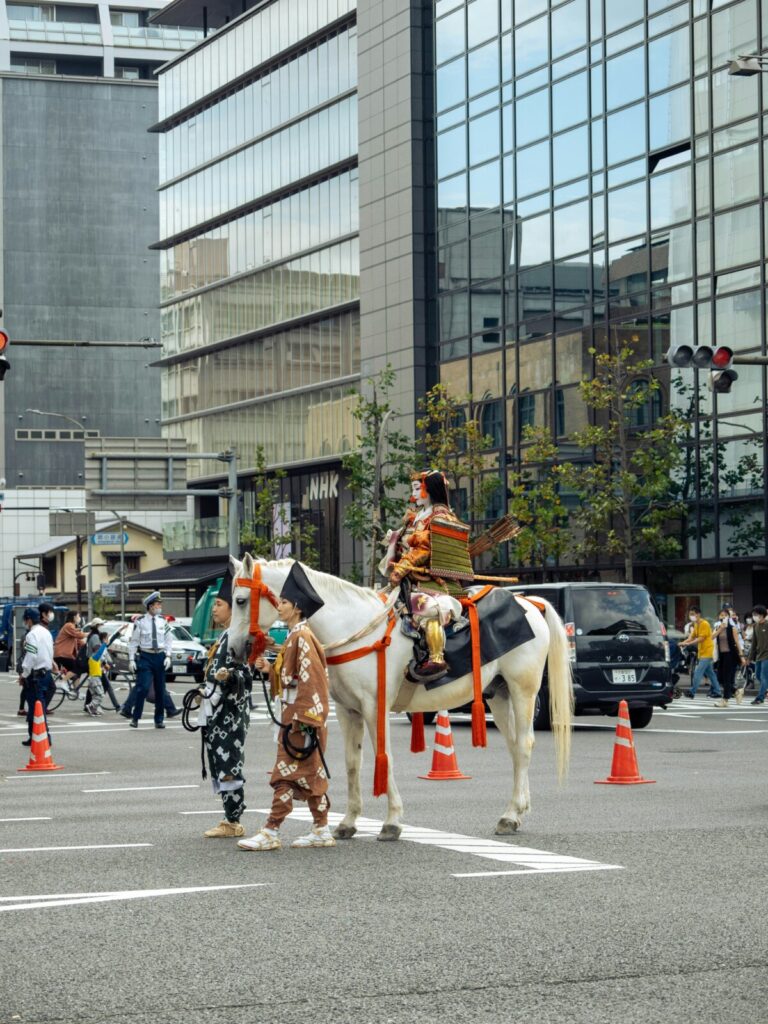
A horse featured in a traditional Japanese parade, embodying centuries of historical and cultural folklore.
What the Horse Symbolizes to People in Japan
In the Shinto Belief system (Japan’s spiritual ideologies) horses are considered divine creatures – They are believed to be messengers that carry deities between human and divine realms. In most cases Japan commemorates their admiration for the Horse as a “white” horse as these ones are especially sacred and symbolize purity.
Fun Fact: The small wooden wishing plaques (often decorated with horses) you see at shrines in Japan, are a tradition that has modernized over the years. It originates from nobles donating live horses to shrines in the Nara period – this was an act of respect and reverence for the deities.
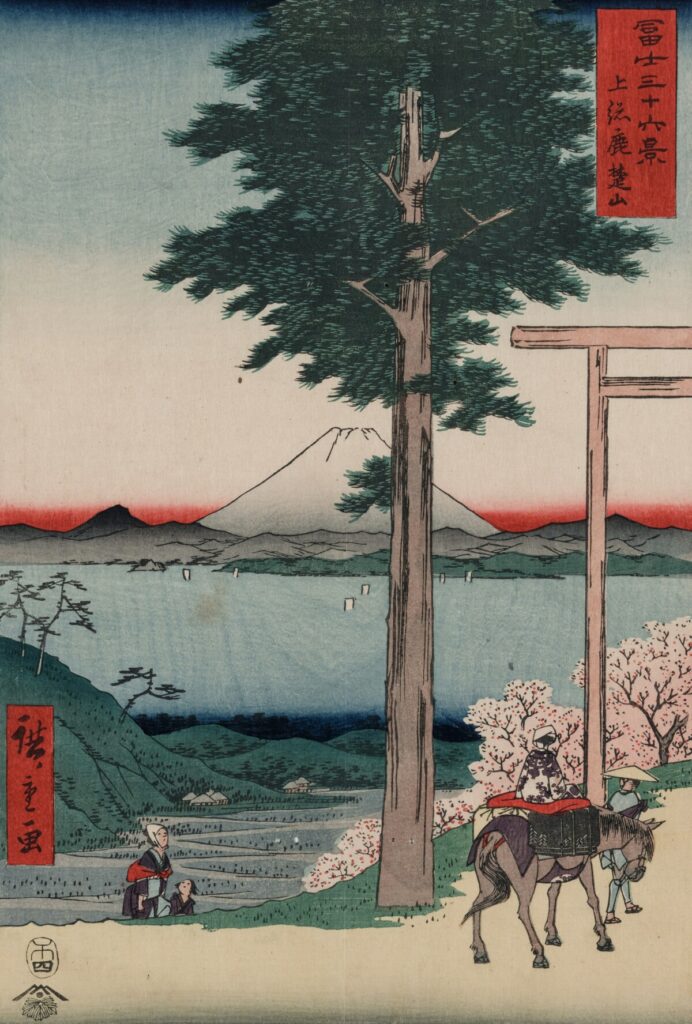
Woodcut print by Andō Hiroshige, 1858.
Japan has memorialized the significance of the horse through statues and shrines thought the country. Making the Year of the horse 2026 an especially symbolic year for worshippers.
The Horse in the Japanese zodiac embodies:
- Energy & movement
- Independence
- Speed & progress
- Passion & motivation
Because of this, Horse years are often viewed as ideal for new beginnings, bold decisions, and active progress.
The Significance of the “Fire” horse:
What makes 2026 extraordinary is its Fire element, creating the rare Fire Horse combination. Historically, this year has been seen as intense, fiery, and even ominous.
What does “the fire element” actually mean?
The Fire element intensifies the natural energy of the Horse, creating a year marked by bold movement, passion, and unstoppable momentum. In 2026, this fiery influence symbolizes heightened dynamism and transformative potential, blending the Horse’s drive with the blazing force of Fire to produce a cycle associated with intensity, courage, and dramatic change.
Fun Fact: In 1966, the previous Fire Horse year, Japanese birth rates dropped by over 20% due to superstition. The folklore originates from the tragic story of Yaoya Oshichi, a young woman born in a Fire Horse year who was said to possess uncontrollable passion and ultimately committed arson. Though modern Japan treats the superstition with more skepticism, its cultural legacy remains strong.
4 must-see events for the Year of the Fire Horse in Japan
1. Yabusme Rituals – Multiple Locations
Yabusame, Japan’s centuries‑old art of horseback archery, is one of the most symbolic cultural experiences you can witness during a Horse year. From Shinto blessings to dynamic mounted archers racing past targets at full speed, these rituals embody the Horse’s qualities of movement, precision, and spiritual connection.
In Tokyo, Asakusa hosts seasonal yabusame performances, giving visitors a rare opportunity to experience this blend of tradition and martial artistry firsthand.
Whether you’re watching archers charge through shrine avenues or attending a ceremonial blessing before the performance, Yabusame is a powerful way to honor the Horse’s divine history in Japan.
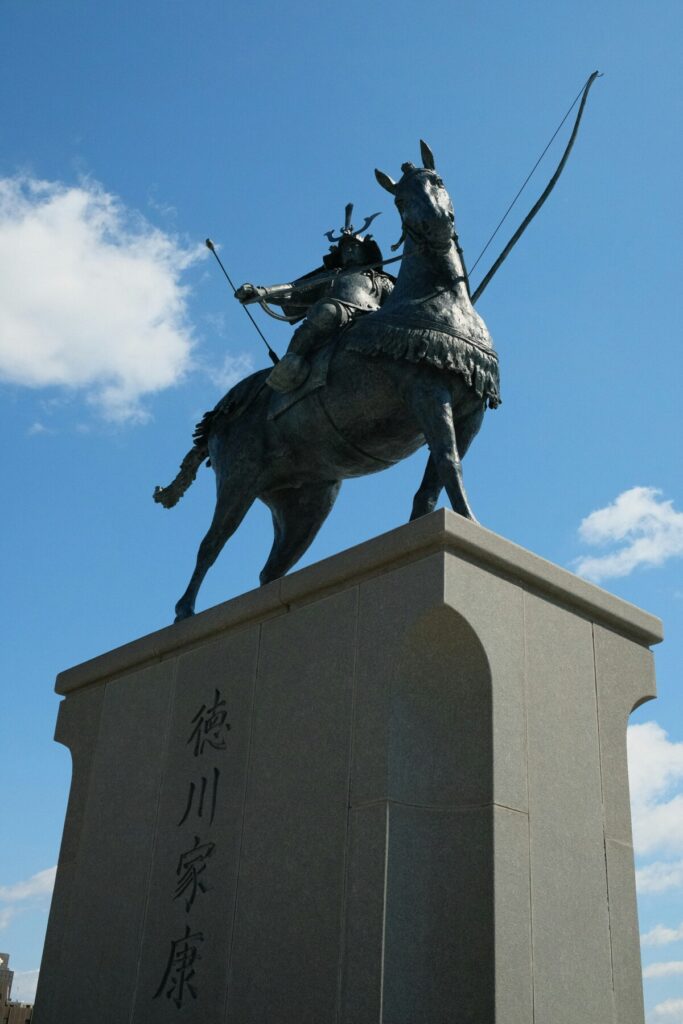
In the gardens near the Imperial Palace, a bronze statue depicts Kusunoki Masashige, the famed samurai mounted on his energetic horse.
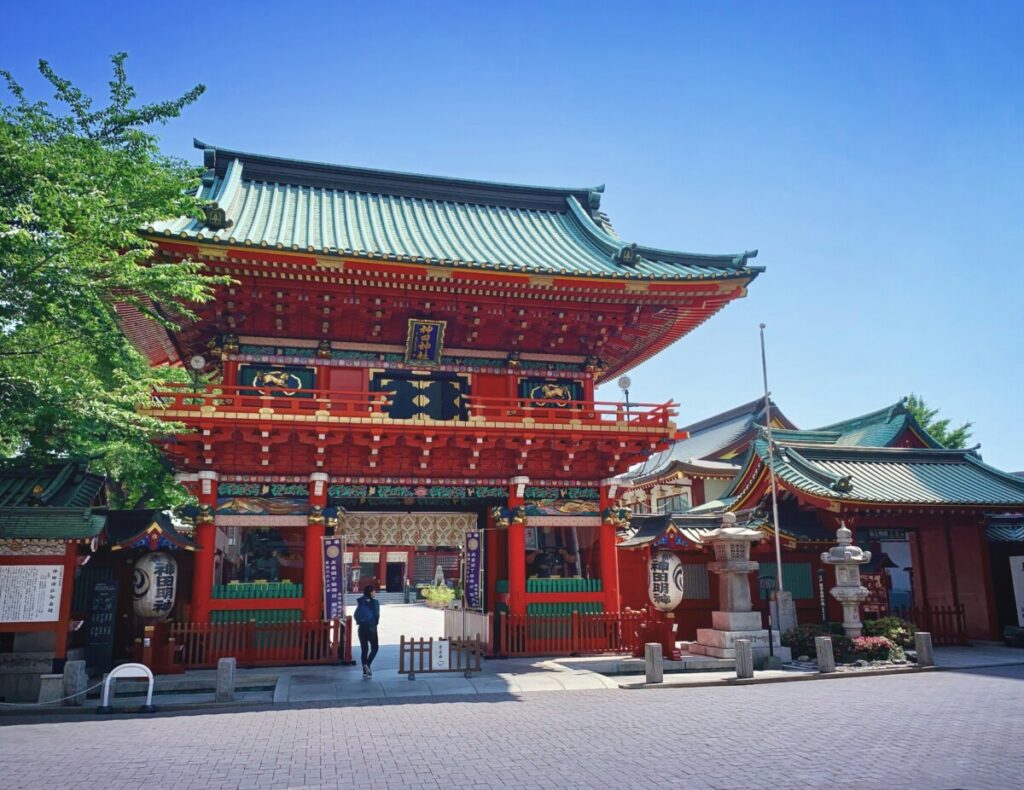
Kanda Myōjin, one of Tokyo’s oldest and most visited Shrines.
2. Horse-Themed Shrine Visits in Tokyo
To fully immerse yourself in the symbolism of Uma‑doshi, Tokyo houses several shrines with longstanding connections to sacred horses. According to cultural guides, these shrines actively highlight horse imagery and rituals during the Year of the Horse, making them ideal stops for your spiritual journey through Tokyo.
Examples include shrines with:
- Historical ties to imperial or warrior horsemanship
- Sacred white horse statues, representing purity and divine communication
- Collectible horse-themed goshuin for 2026
Located near Akihabara, Kanda Myōjin is one of Tokyo’s oldest and most culturally significant shrines – and surprisingly, it has a deep equine connection. Its lavish Zuishin‑mon gate is decorated not only with guardian deities but also with a pair of carved horses, a rare motif in shrine architecture. These horses reference the crest of Taira no Masakado, a legendary Heian‑period samurai who is enshrined at Kanda Myōjin and whose legacy continues to shape the shrine’s identity.
The presence of these horse carvings highlights the long‑standing reverence for horses in Japanese spirituality, where they were traditionally regarded as divine messengers and sacred companions to the gods. In the context of the 2026 Year of the Horse, Kanda Myōjin offers a uniquely Tokyo‑centric place to explore this symbolism—blending mythology, samurai history, and Shinto tradition into one atmospheric hilltop sanctuary.
3. The Sacred Horse Tour – Limited to 2026 Only
2026 marks the launch of a special nationwide pilgrimage known as The Sacred Horse Tour, organized across seven shrines that still maintain living sacred horses (shinme). These shrines are preserving a tradition that dates back centuries, where horses served as divine messengers and participated in rituals and processions.
Visitors can enjoy:
- Horse‑themed limited-edition goshuin
- Protective amulets (omamori) unique to each shrine
- Opportunities to meet sacred horses and learn about their spiritual legacy
Featured shrines include Tokyo‑accessible locations like Hiratsuka Hachiman Shrine (Kanagawa) alongside historically important shrines such as Kamigamo Shrine (Kyoto).
This pilgrimage is deeply meaningful in a Fire Horse year—an opportunity that will not come again for 60 years.

At a Kyoto festival, a warrior riding a majestic horse brings ancient folklore to life, giving visitors and locals a chance to immerse themselves in traditions preserved for generations.
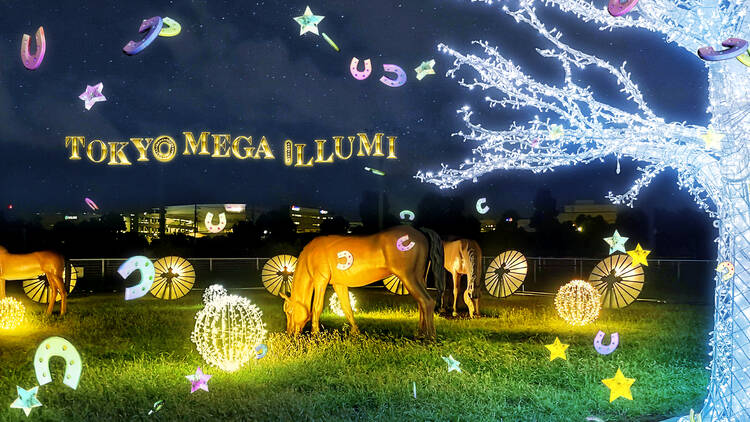
Tokyo Mega Illuminations features both live horses and illuminated horse statues as part of its vibrant lineup.
4. Tokyo Mega Illumi – Oi Racecourse, Tokyo
If you’re visiting Tokyo in Spring 2026, don’t miss Tokyo Mega Illumi, one of Japan’s most spectacular light displays located at the Oi Horse Racetrack. Featuring over 8 million lights, horse‑themed installations, and even parades with real horses, this event is a magical way to celebrate the Year of the Horse. And with Sakura Season in full bloom across the city, the contrast of glowing night illuminations and daytime cherry‑blossom viewing makes this an unforgettable spring experience. To find out more about the exact Sakura Season 2026 dates, see our blog where you can find a cherry blossom 2026 forecast. Cherry Blossom Season in Japan 2026 –
The racetrack transforms into a glowing wonderland—including tunnels of light, shimmering fields, and life‑size horse sculptures—making it a perfect nighttime outing for travelers who want a modern, visually stunning Horse‑year experience.
Embrace the Fire Horse Energy of 2026
The Year of the Fire Horse is more than a zodiac cycle – it’s a rare moment where history, spirituality, architecture, and folklore converge. Whether you’re attending a Yabusame ritual, wandering through glowing racetrack illuminations, embarking on the Sacred Horse Tour, or visiting Tokyo’s horse‑connected shrines, you’ll be stepping into a year filled with deep cultural meaning and powerful symbolism.
2026 invites you to move boldly, chase momentum, and experience Japan through the spirited lens of the Horse – especially the fiery, passionate, once‑in‑a‑generation energy of Hinoe‑uma.