Essential Japanese Phrases Every Traveller Needs in 2026
Whether you’re boarding a flight to Tokyo, bingeing your favourite anime, or simply looking to impress someone special, knowing the right Japanese phrases can open doors, sometimes literally.
Japan is widely recognised as among the world’s most attractive destinations. However, it remains one where English is not widely spoken outside of major tourist hotspots.
The good news is, you don’t have to become fluent. You might need 30 to 40 Japanese phrases and the context in which they are used.
This is not a dictionary, but it could serve as an important briefing. You’ll know what to say in real-life situations from touching down at Narita (the world’s best airport for staff service) to charming someone in Shimokitazawa.
Before you go, make sure you’ve also got your connectivity sorted with a Mobal eSIM or SIM cards, so these phrases are only one Google Translate backup away.
The First 24 Hours: Japanese Greetings That Actually Land
The first moments in Japan set the tone for your whole trip. Japanese greetings are where most travelers either nail it or awkwardly say konnichiwa to someone at 8 am.
| SITUATION | ROMAJI | WHAT IT MEANS |
| Morning (until 11 am) | Ohayō gozaimasu | Good morning |
| Daytime | Konnichiwa | Hello/Good afternoon |
| Evening | Konbanwa | Good evening |
| Meeting someone new | Hajimemashite | Nice to meet you |
| Parting ways (casual) | Mata ne | See you later |
One phrase that will carry you through almost every first interaction is Yoroshiku onegaishimasu.
It loosely translates to “please treat me well” or “I’m in your care.” It is constantly used in many situations, from business meetings to checking into a guesthouse.
Learn it, use it, and people will warm up to you immediately.

NOTE: You are probably wondering about bowing. You don’t need to go deep. Just go with a small, sincere nod as a foreigner. What matters is that you do something rather than just standing there.
Like anywhere else in the world you might visit, Japan reads and appreciates effort.
Getting Around
To enjoy the best transportation anywhere in the world, you’ll need Japanese travel phrases. Japan’s Shinkansen is extraordinary and not to be missed, that is, until you’re standing at a ticket machine in a rural station with no English option and a bus to catch.

Worry not. Here’s what you’ll need to remember:
At stations and on trains
- (- wa doko desu ka?) Where is (place)? – This is the most used phrase in any traveller’s arsenal. You can fill in the blank at the beginning of the phrase with the name of any place and get directions.
- (- made ichimai kudasai) One ticket to (destination), please.
- (Tsugi no densha wa nanji desu ka) What time is the next train?
- (Kono densha wa – ni tomarimasu ka?) Does this train stop at (place)?
- (Michi ni mayoimashita) I am lost – Say this to any station staff member and they will go out of their way to help you find your bearings.
In taxis:
- (- made onegaishumasu) To (destination) please.
- (Koko de tomete kudasai) Please stop here.
- (Ryōshūsho wo kudasai) Can I have a receipt? – For expense reports or just good practice.
If you are confused and want someone who can speak English, all you have to do is ask. This could save you a lot of time and trouble of having to use a translation tool.
(Sumimasen, eigo wo hanasemasu ka?) Excuse me, do you speak English?
Most people will either help directly or find someone who can.
Dining Out
Food is arguably one of the main reasons to go to Japan. There are more Michelin-starred restaurants here than in any other country on earth. Even a simple ¥600 convenience store onigiri will have you questioning everything you thought you knew about food.
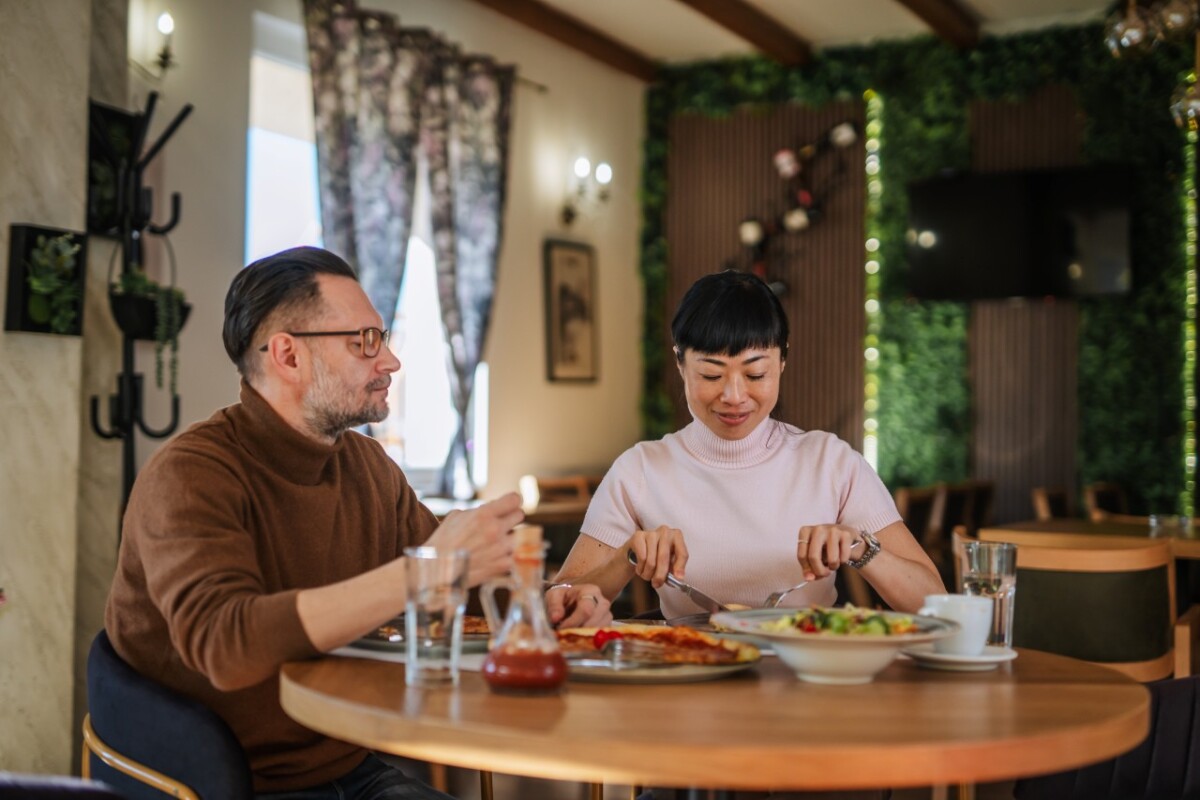
Knowing your Japanese restaurant phrases can make the experience much better. So, let’s break it down from the moment you reach the place.
Walking in:
The moment you step through any restaurant door, you’ll likely hear Irasshaimase! This is a welcome call that doesn’t require a response. Just smile, nod, and hold up the number of fingers for your party size, or say (– nin desu) “There are (number) of us”.
Ordering:
- (Osusume wa nan desu ka?) What do you recommend? – This one is genuinely useful, especially in smaller establishments where the chef or owner will light up and point you in the direction of their best dish.
- (Kore wo kudasai) I’ll have this, please. – You can point at the menu when saying this to indicate what you want. It works every single time, everywhere.
- (–arerugī ga arimasu) I’m allergic to (ingredient). – This is important if you have any food allergies. Common allergens: (komugi, wheat), (nyūseihin, dairy), (gyokairui, seafood), (nattsu, nuts).
- (Bejitarian desu ka?) Is this vegetarian?
- (Karakunai mono wa arimasu ka?) Is there anything not spicy?
When the food arrives, you can endear yourself to the locals further with a few more phrases:
(Itadakimasu) – This is a ritual phrase said before eating. It roughly translates to “I humbly receive this.”
When you are done, say:
(Gochisōsama deshita) Thank you for the meal.
These are not just nice to say, but mark you as someone who respects the culture. The response from the staff is always noticeably warm when you show this side of yourself.
Wrapping up:
(Okaikei wo onegaishimasu) Check, please. – Do not gesture as it can seem rude. Say the words.
(Warikan ni dekimasu ka?) Can we split the bill?
(Kādo de haraemasu ka?) Can I pay by card? – Japan is still heavily cash-based in many spots, so keep some yen on you.
Everyday Moments
Not every interaction will be at a train station or restaurant. Some of the most memorable moments happen in souvenir shops, izakayas, konbini, and random street corners.
Here’s what you need to cover the gaps:
- (Sumimasen) Excuse me. – This is perhaps the single most useful word in the language. Use it to get someone’s attention, squeeze past people, or apologise for a misstep.
- (Arigatō gozaimasu) Thank you. – This is the formal version. If you are with friends or in casual situations, you can drop the gozaimasu.
- (Ikura desu ka?) How much does it cost?
- (Kore wa kudasai) I’ll take this one. – It works in shops as well as restaurants.
- (Wakarimasen) I don’t understand. – Say it clearly and calmly, and it will immediately prompt a different approach.
- (Mō ichido onegaishimasu) Could you repeat that, please?
- (Toire wa doko desu ka) Where is the bathroom? – You have probably heard of Japanese bathrooms, and yes, they are that good. You really should visit, and this is the magic phrase to get in.
Making Connections With Social Icebreakers and Flirting
Once the bathrooms change your life, you might be in the mood to meet some people and experience the social scene. Now, Japan has a reputation for being reserved, and that is not inaccurate. However, this assessment often overlooks the vibrant social scene of standing bars, jazz cafés, izakaya counters, and more.

Here, you can make friends over yakitori and cold Sapporo. These Japanese flirting phrases are more accurate phrases for a genuine human connection, but they work either way.
- (Issho ni iru to tanoshii desu) I really enjoy spending time with you.
- (Egao ga suteki desu ne) You have a beautiful smile.
- (Mata aemasu ka?) Can I see you again?
- (Renrakusaki wo oshiete moraemasu ka?) Could I have your contact info?
- (Suki desu) I like you. – In a romantic context, this carries real weight and is not said lightly.
- (Dēto shimasen ka?) Would you like to go on a date?
Cultural Note: Japan’s dating culture values subtlety and sincerity over boldness. It is best to wait until you feel a genuine connection to use these phrases. They are not your openers. Paying attention and being patient go a long way to make them land.
Your Cheat Sheet
If you memorize only ten useful Japanese phrases before you venture out, make it these:
- (Sumimasen) Excuse me / Sorry
- (Arigatō gozaimasu) Thank you
- (– wa doko desu ka?) Where is (place)?
- (Kore wo kudasai) I’ll have/take this
- (Ikura desu ka?) How much is this?
- (Wakarimasen) I don’t understand
- (Osusume wa nan desu ka?) What do you recommend?
- (Okaikei wo onegaishimasu) Check, please
- (Itadakimasu) You say this before a meal.
- (Gochisōsama deshita) You say this after a meal.
- (Hajimemashite) Nice to meet you
You can print this, screenshot it, or save it somewhere you can quickly refer to any time. It can help you find your way to places you like or back to familiar places when you wander too far. You’ll also be more confident interacting with people, making the experience more rewarding.
The Effort is the Point
Before you start worrying about all the phrases and wondering if you should have listened to the Duolingo bird about practising, Japan doesn’t expect you to speak Japanese. What the people respond to is the attempt. If you are willing to meet people on their terms, even in a small way, they smile and appreciate it
A mispronunciation will only get a warm chuckle and even more sincerity and warmth. Staying silent after a meal is a less appealing option.
These common Japanese phrases are an invitation to genuinely connect. To get the best out of them, use them, even if you feel it is hard to say, and don’t forget to laugh at yourself when you get it wrong. That is how you stop being a tourist and become an endearing guest.
Learn more about Japan’s treasures through travel guides, hidden gems, and cultural suggestions to help practice your new vocabulary!