
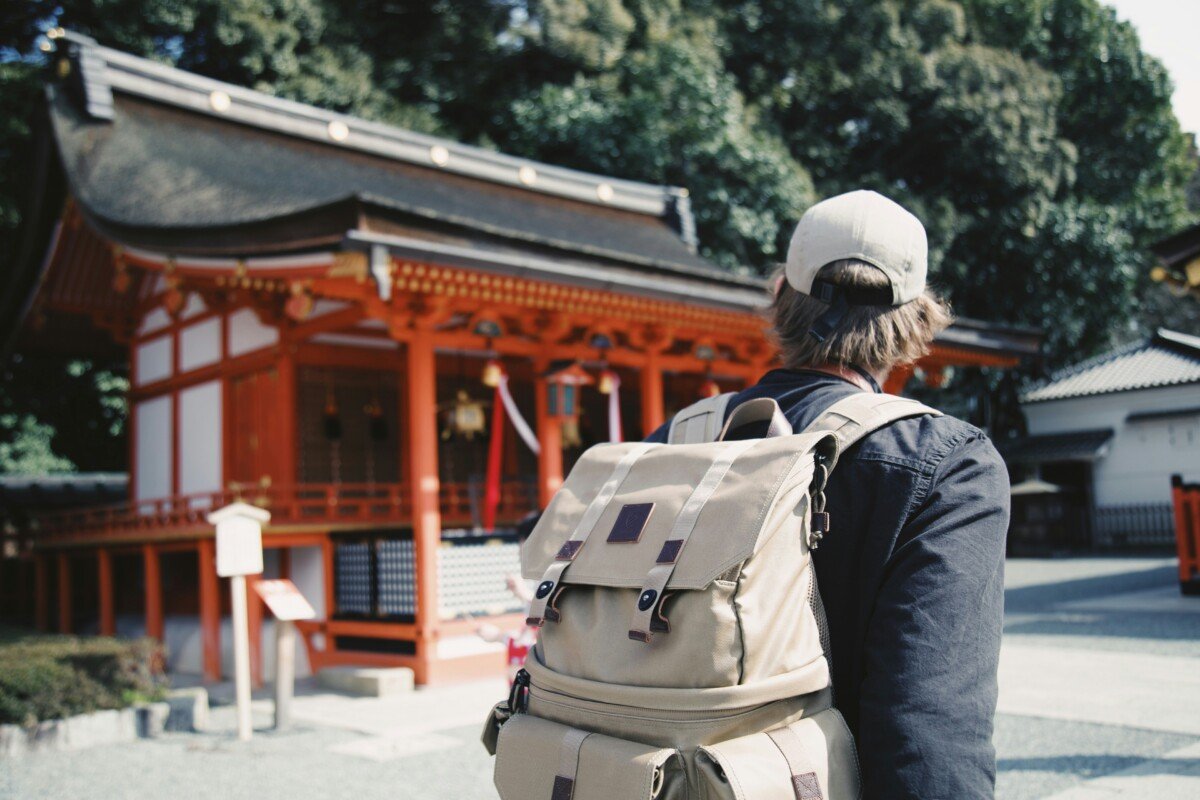
Use our free Japan packing list guide, to help you navigate Japan with style, ease and knowledge! What to Bring Japan, What to Wear & What Not to wear and what do I need to travel to Japan? — Based on Real Travel Experience
This article will walk you through essentials like, Money, Visa’s and legal requirements you may need, to healthcare, clothing and tech gadgets that make your trip stress-free and prep you for any situation. Your Japan travel packing list may need more thought than your usual holiday suitcase – a wide range of temperatures, cultural norms, and itinerary planning, are all part of the experience! Ensuring you’re ready may seem overwhelming at first, but our guide will tick every checklist you have.
Unlike most packing lists, this guide explains why most items matter in the context of Japan. And unlike most holiday destinations, outfits aren’t an afterthought — they’re a core pillar.
You’ll also find: 3 printable PDF Japan packing checklists.
Simple What to pack for Japan list – for those who don’t want to read the extra infor. Seasonal outfit examples (Tokyo, Kyoto, Osaka, Hokkaido)
Japan Travel Packing Guide: Additional Needs What NOT to bring
Photos
Just Tell Me What to Pack
Quick Japan Packing Checklist (2026)
Travel Documents, Digital or Print outs
- Passport
- Travel insurance –Everyone’s travel needs are different, but World Nomads offers a variety of insurance plans to suit your trip.
- Flight confirmations
- Hotel confirmations
- Transport cards (Suica) it’s like an Oyster card
- Credit/debit card
Tech & Electronics
- Smartphone + eSIM/pocket Wi‑Fi – (Link to Products)
- Universal adapter (Type A/B) – Click Here
- Power bank (20,000 mAh) – Click Here
- headphones – Click Here
- Camera (optional — your phone is fine)
- USB‑C cables, lightning cables – Click Here
Toiletries & Personal Care
- Medications (bring from home)
- Travel toiletries
- Sunscreen
- Deodorant
- Small first‑aid kit – Click Here
- Hand sanitiser + tissues
Accessories
- Foldable tote bag – Click Here
- Refillable water bottle – Click Here
- Packing cubes – Click Here
1. Essential Travel Documents & Money
Japan is exceptionally organised on their behalf, so travel is smoother when you have the right paperwork prepared.
Visa’s: Japan allow for most countries to enter without a visa for short stays. Whether you’re a tourist or travelling for Business, under a 90-day time period, you won’t require a visa. To find out more, click here.
Passport & Entry Requirements
All travellers need:
- A passport valid for the entire stay
- (If applicable) Visa documentation
Tip: Carry a printed copy of reservations — some ryokans (Traditional Japanese hotels) still appreciate paper.
Hotel Booking: Most bookings will send you a confirmation email, this is great and definetly something you should have at hand when you land. Additionally, many tourists noted how helpful it is to also print out your hotel booking –
- The address will most likely be in Japan, this will help you a lot if you plan on getting a taxi from the airport!
- Before immigration you may be asked to fill out where you’re staying in Japan.
2. Electronics & Tech Essentials
Money in Japan: Cash Still Matters
Even in 2026, Japan remains partially cash‑based — especially for:
- small restaurants
- family-run shops
- temples & shrines
- rural areas
Bring:
- Your primary card
- ¥22,000 – ¥60,000 in cash. This sounds like a lot in Yen but it’s not a lot when you get to Shibuya and want to buy every souvenir!
Here’s a quick guide to estimated GBP to JPY conversions based on end-of-March exchange rates. To check the current estimated exchange rates, click here.
GBP £ | JPY¥ |
100 | 22,000.00 |
200 | 43,000.00 |
300 | 64,000.00 |
Travel Insurance
Don’t travel without it. Medical care in Japan is excellent but expensive.
Japan is technologically advanced, but ironically, you’ll still need a few things from home.
Power Adapters
Japan uses Type A (same as US) with 100V — most devices work fine, but older hairdryers/straighteners often don’t.
Bring a universal travel adapter like this one.
Esim/sim card: Before you travel or even when you land, it’s helpful to have instant access to data. Have your eSIM code emailed to you today, or pick up your SIM Card at the airport.
Connectivity: eSIM or Pocket Wi‑Fi
- eSIM (Best for most travellers) Single-use devices that connect to one device and usually allow hotspot. Easy, instant, no pickup needed.
- Pocket Wi‑Fi (Best for groups) Good for families or travellers who rely on multiple devices at once.
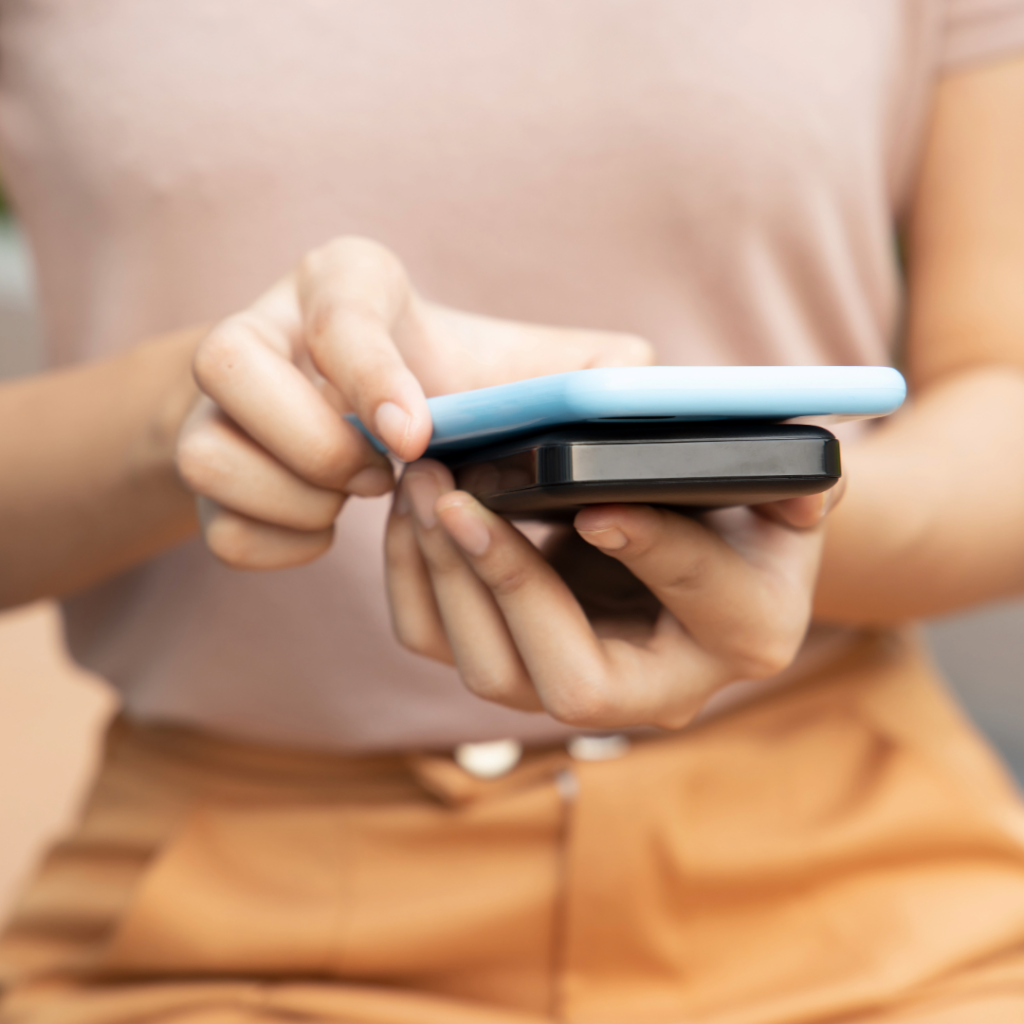
Power Bank (Mandatory)
You’ll easily walk 10,000–20,000 steps per day in Japan, constantly navigate train stations, and rely heavily on Google Maps, translation apps, ticket QR codes, and mobile payments. Your phone isn’t just a convenience — it’s your primary travel tool.
A power bank isn’t optional here; it’s essential.
Japan’s train system is incredibly efficient but unforgiving if your phone dies mid‑journey. Missed connections, station exits, and hotel check‑ins are all common pain points when travellers underestimate battery drain. Add heavy photo and video use, and most phones won’t last a full day.
While charging points do exist in Japan, they’re not always conveniently located when you need them — especially during peak travel hours or while exploring neighborhoods on foot.
3. Essential Travel Documents & Money
Japan is known to be a destination where you take one suitcase but come back with two. But before you add an extra suitcase to your Japan Packing list – they have rules and regulations in Japan that make travelling with extra baggage harder. This also may be helpful to you if you are planning backpacking Japan via public trains, buses and planes.
Japan train luggage rules (simple guide):
- Each passenger can bring up to 2 large bags for free
- Bags should be under 160 cm total dimensions (height + width + depth)
- Bags between 160–250 cm require a reserved seat with luggage space (Shinkansen)
- Over 250 cm is not allowed on trains
- Small items (backpacks, handbags) don’t count toward the limit.
- Japan railway sites have stated that, luggage exceeding 250cm will not be allowed on board and will travel to your destination via an alternative service.
City Buses in Japan:
- No designated luggage space
- Limit 1 – 2 bags per person
Packing Tools That Actually Matter
- Packing cubes (separate outfits by day or city)
- Laundry bag
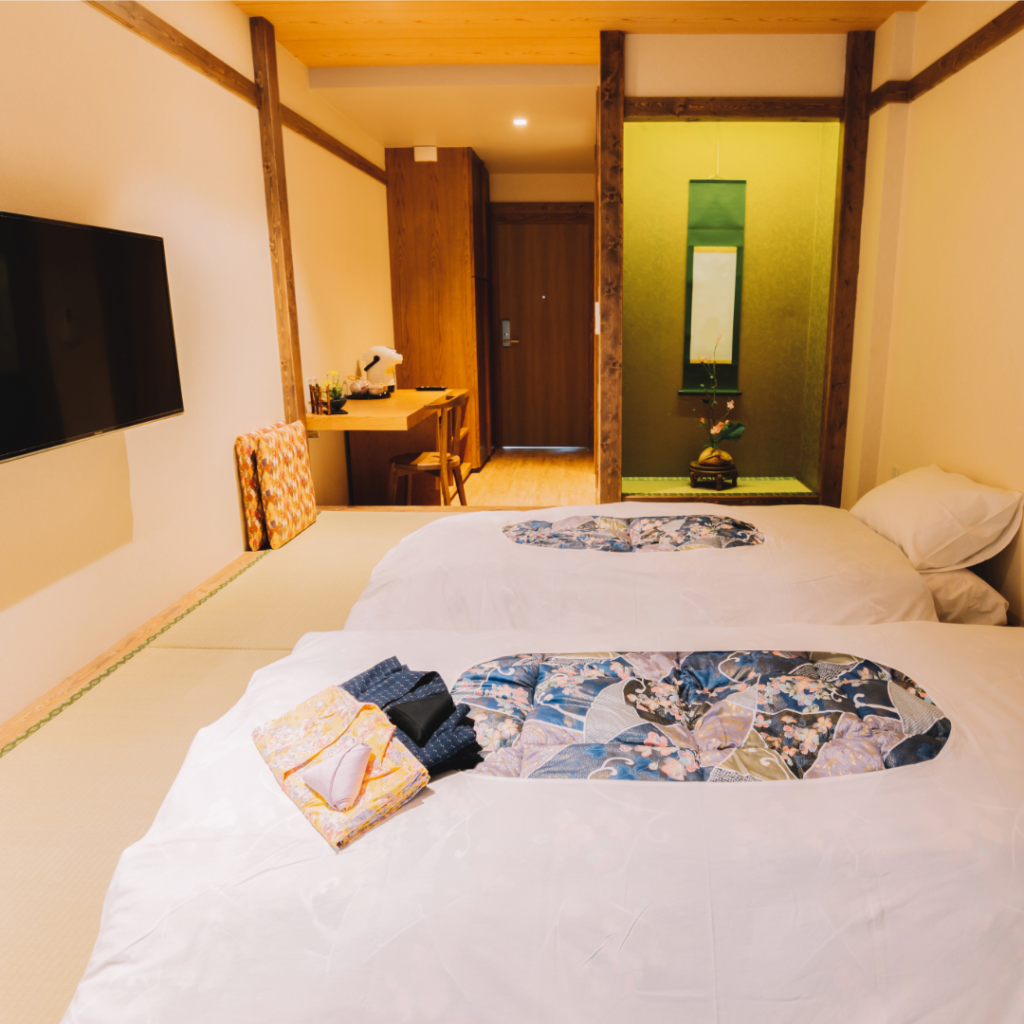
Japan Packing List Tip: Many hotel rooms are compact. You’ll want luggage that opens easily without taking over the room.
4. Toiletries, Health & Personal Care
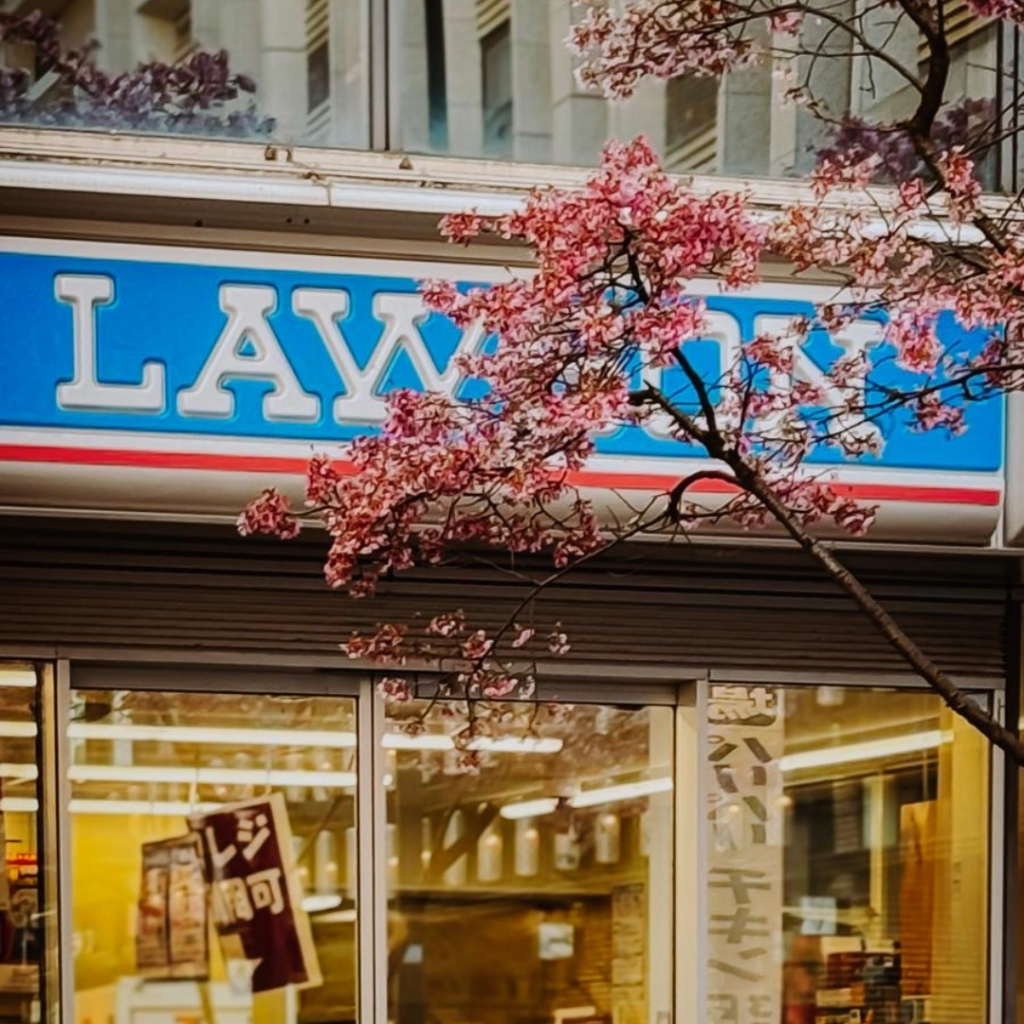
Japan has excellent pharmacies, and is known for its one-of-a-kind skincare / personal care products – this may be where you want to go crazy and fill that extra suitcase. Although 7/11, Lawson, and Family Mart are equipped for general items, products, and medicines, be sure to bring your own also – especially if you have specific products and needs which convenience stores may not cater to.
Japan Packing List – Pharmaceuticals
- Deodorant
- Toothbrush, toothpaste
- Contact Lenses/ Solutions
- Preferred Skincare basics
- Sunscreen – Japan gets hot in the summer months, and you will need at least factor 30 to protect your skin from those summer rays.
- Insider Tip: Imodium – this one isn’t due to getting food poisoning, in fact Japan is one of the safest countries to visit in terms of food health and safety regulations. However, you will be trying lots of new ingredients, that we don’t have in the western world. So best to keep some sort of diarrhoea relief on you.
Note’s on taking Medication to Japan.
Japan Packing List Tip: Please be aware that Japanese customs regulations can be quite strict when it comes to importing certain medications, including some commonly used drugs such as opioids, psychotropic medications, tranquilizers, and specific antihistamines. Restrictions may also apply to medical equipment, including syringes. If you’re unsure about any items, we recommend reviewing the following links for guidance.
Accessible Travel, Neurodivergence & Chronic Health Needs
Japan is safe, efficient, and thoughtfully designed in many ways, but it also involves:
- long walking days
- crowded transport and stations
- strong sensory input (sound, light, signage, announcements)
- unfamiliar systems and routines
Having the right personal, medical, and comfort items with you can make the difference between a trip that feels overwhelming and one that feels genuinely enjoyable.
This section focuses on packing considerations that help you self‑regulate, reduce physical strain, and stay comfortable while moving through Japan — based on real travel experience, not assumptions.
Medications & Health Supplies (Non‑Negotiable)
If you rely on daily medication, pain management tools, or medical aids, bring more than you think you’ll need.
Pack:
- All prescription medications in original packaging
- A copy of your prescription (printed and digital)
- Over‑the‑counter pain relief you know works for you
- Topical pain relief (creams, patches) for long walking days
- Any supplements you take regularly.
Some medications that are common elsewhere are restricted or unavailable in Japan, and brand equivalents can be difficult to identify — particularly if you don’t read Japanese.
Sensory Regulation & Neurodivergent‑Friendly Items
Japan is clean, safe, and orderly — but also crowded, loud, visually intense, and highly stimulating, especially in cities like Tokyo and Osaka.
If you’re autistic, ADHD, highly sensitive, or experience sensory overload, packing a few key items can make a huge difference.
Consider bringing:
- Noise‑canceling headphones or earplugs
- Sunglasses or lightly tinted lenses
- A familiar comfort item (scarf, hoodie, texture‑safe fabric)
- A small notebook or app for planning routes in advance
Chronic Pain, Fatigue & Mobility Support
Japan involves far more walking than most travelers expect — often 15,000–25,000 steps a day across uneven surfaces, stairs, and large stations.
Smart packing can help prevent flare‑ups and exhaustion.
Helpful items include:
- Supportive, well‑broken‑in shoes (absolutely essential)
- Compression socks for long days
- Lightweight knee braces or supports
- Foldable cane or mobility aid (if used at home)
- Small heat or cold packs (travel‑safe versions)
- Check where the nearest aids are, these can be toilets, water stations, elevators, and lifts.
- Have access to Google Translate to alert others if help is needed
- Stay up-to-date with live train times
For additional information on how to travel in Japan accessibility-friendly and pack for Japan in 2026, check out our Making Japan Travel Accessible for All page.
5. Clothing & Outfits for Japan
Most Packing List guides will lecture you on the Japanese Culture norms when it comes to what to wear, but the truth is you don’t have to wear the norm in Japan. Practicality and being comfortable are the two factors you need to keep in mind, long days of walking and visiting Cultural/historical sights will call for practically clothing. But other than that, you can wear whatever you would like in the busy streets of Shibuya and the quaint lanes of Kyoto.
Core Clothing Essentials (All Seasons)
- Neutral tops (black, white, beige, navy) these colours tend look best in photos, you will find yourself surrounded by colourful temples and chaotic landscapes in Japan. You don’t want your bright yellow top to steal the limelight on Instagram!
- Comfortable bottoms with pockets, you will constantly be handed tickets (if planning trips or visiting tourist attractions) or just need the extra helping hand.
- Light layering pieces
- Comfortable walking shoes (already broken in). You will average 15-20 thousand steps a day in Japan; your shoes must be comfortable.
- Easy shoes to slip on and off. On days when you might visit Kinkaku-ji or Senso-ji (Japanese temples or shrines) you may be asked to remove your shoes.
What to Wear in Japan by Season
Spring (March–May)
- Layers for temperature swings
- Light jacket or trench
- Comfortable trainers
Summer (June–September)
- Breathable fabrics (linen, moisture‑wicking)
- Sun hat or umbrella
- Minimal layers
Cultural note: Very short shorts and revealing tops are uncommon outside nightlife areas.
Autumn (October–November)
- Mid‑weight layers
- Light sweater
- Closed‑toe shoes
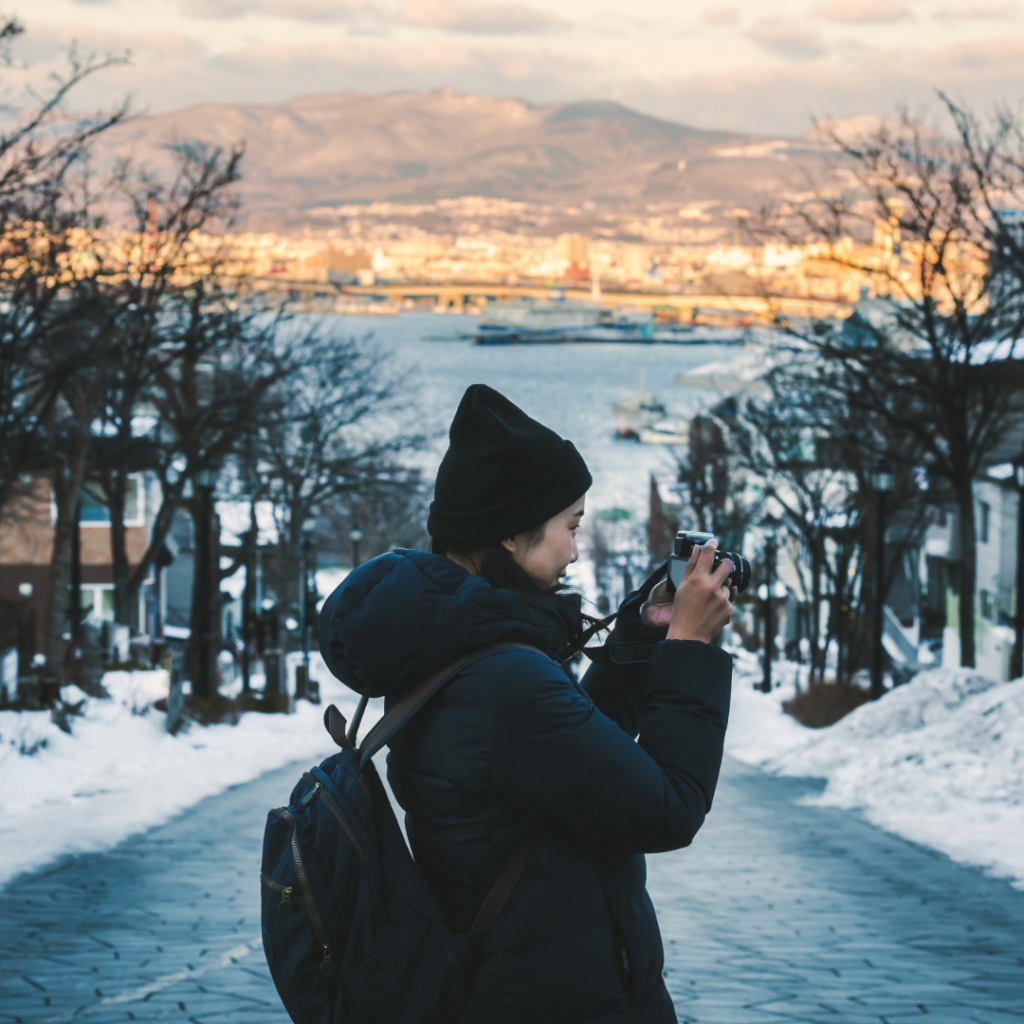
Winter (December–February)
- Warm coat
- Heat‑tech layers
- Scarf, gloves
6. What NOT to Bring to Japan
These are some insider tips on what not to pack for Japan, as you’ll be travelling in one of the most convenient and futuristic countries in the world, where many everyday essentials can be easily purchased locally.
Do not bring:
- Multiple pairs of heavy shoes
- Bulky toiletries you can buy locally
- Large umbrellas (cheap and better ones are everywhere)
- Excess clothing “just in case”
7. Japan Packing Checklist (Printable PDF)
For travellers who want everything in one place:
Download the Complete Japan Packing Checklist (PDF)
Includes:
- Essentials
- Clothing by season
- Tech
- Health
- What NOT to pack
8. Common Packing Mistakes First Time Visitors Make
Plainly speaking, here are just a few things to definitely not do when packing for Japan:
- Bringing new shoes (you’ll regret it)
- Ignoring seasonal rain
- Overpacking outfits
- Bringing one large suitcase, instead of two smaller ones.
- Assuming taxis will replace walking
Now let’s dive into the suitcase dilemma: Bringing Luggage that’s Too Large:
One of the biggest mistakes travelers make is assuming Japan works the same way as airports and car‑based travel elsewhere.
Oversized suitcases cause problems because:
- Train aisles are narrow
- Station corridors can be crowded and stair‑heavy
- Hotel rooms (even luxury ones) are compact
- Coin lockers have strict size limits
Dragging a large suitcase through Tokyo Station at rush hour or trying to open it fully in a small hotel room quickly turns into unnecessary stress.
How to avoid it:
Choose a carry‑on or small to medium suitcase, use packing cubes, and plan to do laundry if you’re staying longer than a week. Japan rewards mobility far more than excess capacity.
Underestimating How Important Footwear is: Japan is not a destination where you can “get by” with average shoes.
Most travelers walk:
- 10,000–20,000 steps daily
- across concrete, stairs, station platforms, gravel temple paths
- for multiple consecutive days
Common footwear mistakes include:
- bringing brand‑new shoes
- prioritising style over comfort
- packing heavy boots “just in case”
Foot pain becomes trip‑defining surprisingly fast.
How to avoid it:
Bring well‑broken‑in walking shoes you trust. A second lightweight pair is fine, but every shoe should earn its space in your bag.
The Bottom Line
Most Japan packing mistakes aren’t dramatic — they’re small inefficiencies that compound over the trip.
If you:
- choose the right luggage size
- prioritise footwear
- pack intentional, repeatable outfits
- and avoid overpacking
Japan becomes easier, calmer, and far more enjoyable.
Pack with movement in mind, not just arrival.
9. FAQ – Japan Packing & Clothing
What do I need to travel to Japan?
Passport, insurance, cash access, card, compact luggage, and comfortable shoes.
What should tourists wear in Japan?
Neat, practical, comfortable outfits with modest coverage and neutral colors.
Is it better to pack light for Japan?
Absolutely. Japan rewards mobility.
Can I buy things in Japan instead?
Yes — but buying essentials locally works best when your base setup is already optimized.


