Cost of Living in Japan 2026: Full Guide with Budget and Expenses by Month
You may expect to spend between $1,000 and $3,000 every month while living in Japan. However, what would become important here is the location where you live. This is because the cost of rent would be the greatest expense you would have to deal with. In smaller cities, rent is lower, and your monthly total becomes easier to manage.
The average cost of living in Japan is 30 – 40% lower than in the United States. This information will come in handy when you start comparing costs.
Further on, your personal choices will determine how much money you will spend per month. For essential support services and practical resources for foreigners arriving in Japan, see Essential resources and support centres for foreigners in Japan.
How Much Does It Cost to Live in Japan?
The average monthly cost of living for an individual in Japan comes to ¥163,000 per month, or $1,100.
The expense for a couple will be approximately ¥314,000 to ¥325,000, or $2,100.
For a household of three or four people, it comes to about ¥800,000, or $5,000.
Living 30 minutes farther from the downtown area will reduce your monthly rent by ¥20,000 – ¥40,000.
Tip: Do not overlook the transportation costs while evaluating rent prices. By living a little away from the city, you can save on rent but pay more in transportation costs.
Cost of Living in Japan Per Month
Here is a simple breakdown of the budget on a monthly basis:
| Single (JPY / USD) | Two People (JPY / USD) | |
| Rent | ¥50,000 – ¥100,000($350 – $650) | ¥100,000 – ¥200,000 ($630 – $1,250) |
| Food | ¥30,000 – ¥60,000 ($200 – $400) | ¥50,000 – ¥90,000($310 – $560) |
| Transportation | ¥5,000 – ¥15,000 ($30 – $90) | ¥10,000 – ¥20,000 ($65 – $130) |
| Utilities | ¥10,000 – ¥20,000 ($65 – $130) | ¥20,000 – ¥30,000 ($125 – $190) |
| Internet & Mobile Phone | ¥9,000 – ¥13,000 ($55 – $80) | ¥8,000 – ¥13,000 ($50 – $80) |
| Entertainment | ¥10,000 – ¥30,000 ($60 – $190) | ¥20,000 – ¥45,000 ($125 – $280) |
| Total | ¥150,000 – ¥250,000 ($1,000 – $1,700) | ¥208,000 – ¥400,000 ($1,305 – $2,500) |
The living expenses in Tokyo are higher compared to those in other cities.
Expenses for sharing a residence are lowered, and they are increased by food and transport.
Lower vs Medium vs Higher Budgets per Month
The following budget categories will provide an overview of the typical expenses involved in living in Japan:
- Budget (¥120,000 – ¥160,000): Small apartment, normal lifestyle, and eating most meals at home.
- Mid-range (¥180,000 – ¥250,000): Improved location, preparing meals as well as going out.
- Comfortable (¥300,000 +): Central location, regular dining out.
Is Japan Cheaper Than the US?
| Japan (USD) | USA (USD) | |
| Rental Price (one bedroom) | $500-$900 | $1,500-$2,500 |
| Restaurant Meal | $6-$12 | $15-$25 |
| Travel pass | $70-$150 | $100-$200 |
| Grocery shopping | $200-$350 | $300-$500 |
| Medical services | Affordable (public health care system) | Expensive (insurance-based) |
Travelling and healthcare costs are still relatively lower in Japan. Also, eating at restaurants will be easier for daily expenses.
Foreign products and electronic appliances may cost more. Big houses in Tokyo raise the rent price rapidly.
Where Japan Is Cheaper (and Where It Isn’t)
Cheaper:
- Traveling
- Medical Services
- Eating at Restaurants
More expensive:
- Foreign Products
- Large Houses in Tokyo
Cost of Living in Japan Compared to the United States
Rent in the US is relatively expensive, especially in big cities. On the other hand, the rental market in Japan is much cheaper than that of America. However, the size of the apartment is relatively small.
For example, in Japan, the price of dining in a restaurant is almost similar to buying food from the grocery store. In the US, the prices for meals in restaurants are relatively high, making cooking a better choice.
Interestingly, people in Japan have a longer life expectancy by about six years more than people in America. Besides, the cost of healthcare in Japan is about 50% less than in the US.
Costs of Housing in Japan
Renting will depend entirely on location, but here are typical rent charges in the different cities in Japan.
| 1-Bedroom Apartment (USD) | Studio Apartment (USD) | |
| Tokyo | $700 – $1,200 | $500 – $900 |
| Osaka | $500 – $900 | $350 – $700 |
| Kyoto | $500 – $850 | $350 – $650 |
| Fukuoka | $400 – $700 | $300 – $600 |
Since Tokyo houses attract high rent compared to other cities, the amount you use towards paying rent is higher, meaning you may end up having less to cover other expenses. The cost of housing is lower in Osaka and Kyoto, but even lower in Fukuoka.
Sharehouses seem to be a good choice when you first arrive in Japan and need to save money. If you’re considering shared housing to reduce costs and meet people quickly, check out Mobal’s primer on shared living in Japan for practical tips on types of sharehouses, typical costs, rules and how to apply.
However, one thing you should understand is that it would mean sharing common areas with others and losing some privacy. Yet, it is rather beneficial since it would help you settle faster and even become friends with others.
Key Housing Factors You Need to Know
Before signing a lease, there are some expenses that should be considered.
- Security deposit, key money, agent fee: These initial expenses could cost up to three to five months’ worth of rental fees. This would include key money, deposit fees, and other expenses such as agent fees.
- Compact housing: Housing in Japan is relatively small. Low rent is associated with smaller housing spaces, meaning you have to maximize your usage of it.
- Trade-off between location and price: Lower rent means you will have to move further away from central locations, which means increased travel costs. Higher rent near your workplace means you spend less on transportation.
Why Food Prices in Japan are Reasonable to Eat Out
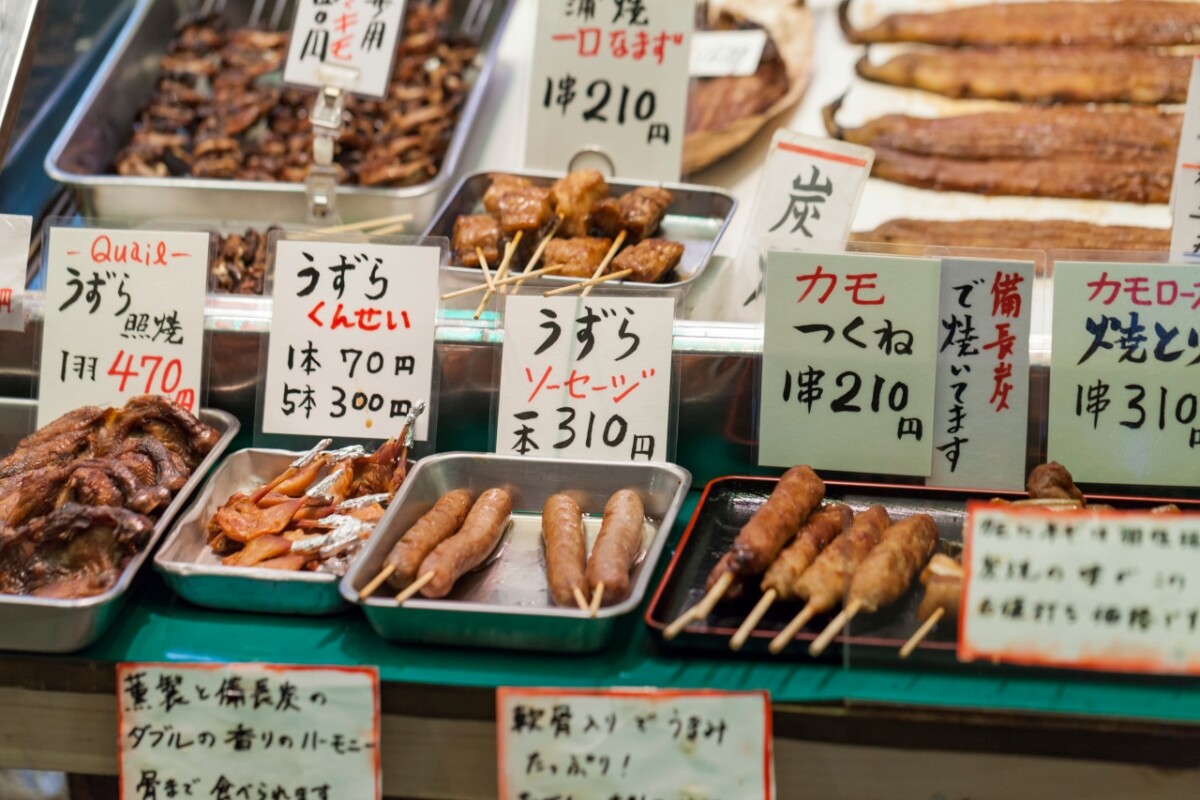
There is a stable price range for food regardless of what type of product it is.
The cost of regular groceries includes the following:
- Rice (5 kg): ¥3,935 – ¥3,980 ($25 – $26)
- Eggs (10-pack): ¥300 – ¥315 ($1.90 – $2.00)
- Chicken (1 kg): ¥810 – ¥1,400 ($5 – $8.70)
- Pork (1 kg): ¥900 – ¥1,400 ($6 – $10)
- Milk (1 L): ¥180 – ¥250 ($1.20 – $1.80)
- Bread (loaf): ¥150 – ¥300 ($1 – $2)
- Vegetables (cabbage/onion): ¥100 – ¥300 ($0.70 – $2)
- Fruit (apples/oranges): ¥300 – ¥600 ($2 – $4)
Note: These are average prices across Japan. In big cities such as Tokyo, they can be slightly increased.
The cost of going out to eat is not expensive either:
- Ramen: ¥800 – ¥1,300 ($6 – $9)
- Sushi (casual): ¥1,000 – ¥2,000 ($7 – $14)
- Convenience store meals: ¥400 – ¥700 ($3 – $5)
This is exactly the reason why most people take both approaches in a week. The cost of a fast-food lunch is not far off from the price at which you could buy similar meals at the supermarket, considering time as well.
The prices in America are much higher compared to those in Japan, where they are simply a part of everyday life.
Costs of Transport
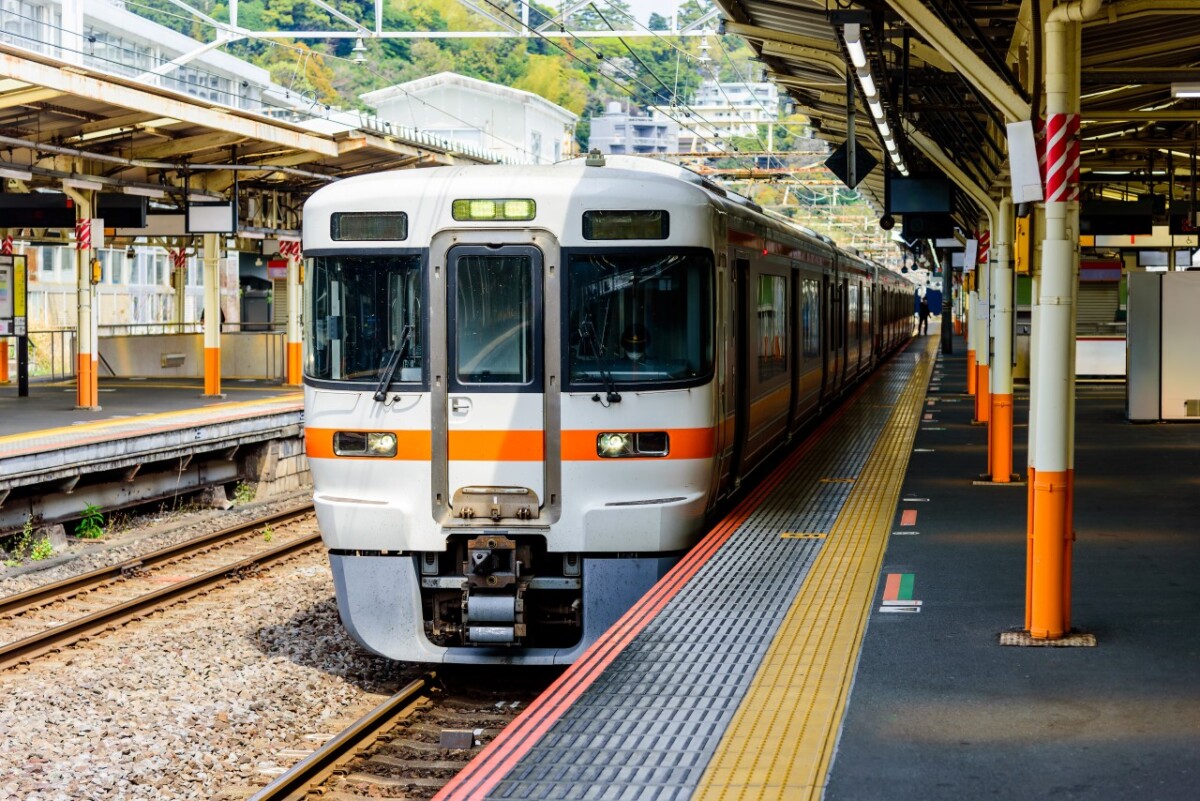
Train travel is very popular, and most people have monthly passes, whose costs are dependent on distance.
Since most people travel by train, monthly commuter passes are very common. The cost varies based on distance.
It is less common for people living in large cities to own cars because of additional costs like parking, insurance, and gasoline. Therefore, using public transportation is more practical for most individuals.
Here are typical transport costs:
- Tokyo transport: ¥10,000 to ¥20,000 per month ($70-$140), based on the distance.
- Regional travel: Lower daily costs, but fewer direct routes can increase travel time.
Although taking longer routes may involve additional fees of a couple of dollars each day, the cumulative effect will make it higher each month. Transport costs vary depending on your travel distance each day.
Utilities, Internet, and Mobile Costs
Your monthly expenses will include utilities and Internet access. Here are some estimates of your monthly bills.
- Utility costs: Utility costs per month are estimated at ¥8,000-¥15,000 ($55-$100). During the summer season, when cooling devices operate, and the winter season because of heating, the utility costs grow. In addition, the smaller the apartment, the fewer chances there are that the utility cost is high.
- Internet plans: Home internet usually costs ¥4,000 – ¥6,000 per month ($30-$40). Setup can take time, especially in a new apartment. Some apartments already have internet included, which saves you that step.
- Mobile plans: Mobile plans range from ¥2,000 to ¥5,000 per month ($15-$35). The price depends on how much data you use. Cheaper options exist, but getting everything set up can take more effort without local support.
Your phone is quickly integrated into your routine. It provides you with navigation, public transport timetables, payment solutions, and communication. The ability to have an instant connection at your disposal will help you adjust to your new environment more easily.
Understanding your options, such as eSIM, SIM cards, or pocket WiFi, helps you avoid extra costs and setup issues.
Plans offered by providers like Mobal will get activated immediately, ensuring that you are connected as soon as you land in Japan.
Cost of Living in Japan for a Single Person
If you are living alone in Japan, all the decisions you make will affect the amount of money you spend. Everything depends on you, because there are no shared expenses to take care of.
For example, your rent will be your main expense, which will affect all other expenses. When your rent is high, it means you can afford less on other things, such as food, traveling, and shopping. On the contrary, when your rent is lower, you will be able to spend more, but at the same time, you will need to think about the distance to work.
Food expenses will be increasing slowly, but surely. Fast food is available in Japan, and eating in convenience stores or restaurants can become your weekly habit. However, in this way, you can spend much more than you plan, and cooking food can help you save your money.
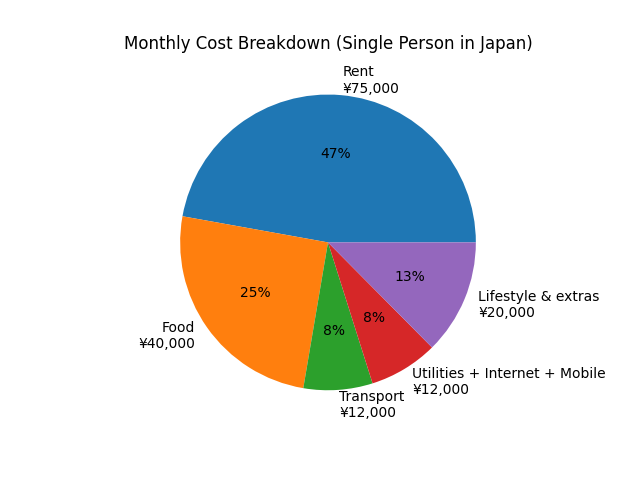
A monthly budget for a single person in Japan may look like this:
- Rent: ¥60,000-¥90,000 ($400-$570)
- Food: ¥30,000-¥50,000 ($190-$310)
- Transport: ¥8,000-¥15,000 ($50-$94)
- Internet, utilities, and cell phone: ¥10,000-¥15,000 ($63-$94)
- Other spending: ¥15,000-¥30,000 ($95-$190)
So in the end, your monthly cost depends on how you handle everyday choices.
Cost of Living in Japan in USD
Using the dollar as a basis for cost comparison allows you to see how much it would cost to live comfortably in Japan. One person will pay approximately $1,100 a month, while two people together are likely to spend close to $2,100. The price range for three people is between $2,800 and $4,300.
However, it is important to remember that the exchange rate will alter those figures. In cases where the US dollar is strong, all the usual expenses are cheaper since they require less money from your wallet. If it is weak, the same expenses will drain a higher percentage of your earnings, regardless of prices in Japan.
It becomes obvious through little things such as grocery shopping, travel by public transport, bills, and more. People who earn in dollars generally find themselves better off than those earning in other currencies. It follows that there is a lot of fluctuation based on the exchange rates and local prices.
Comparing Japanese Cities: Tokyo, Osaka, and Smaller Cities
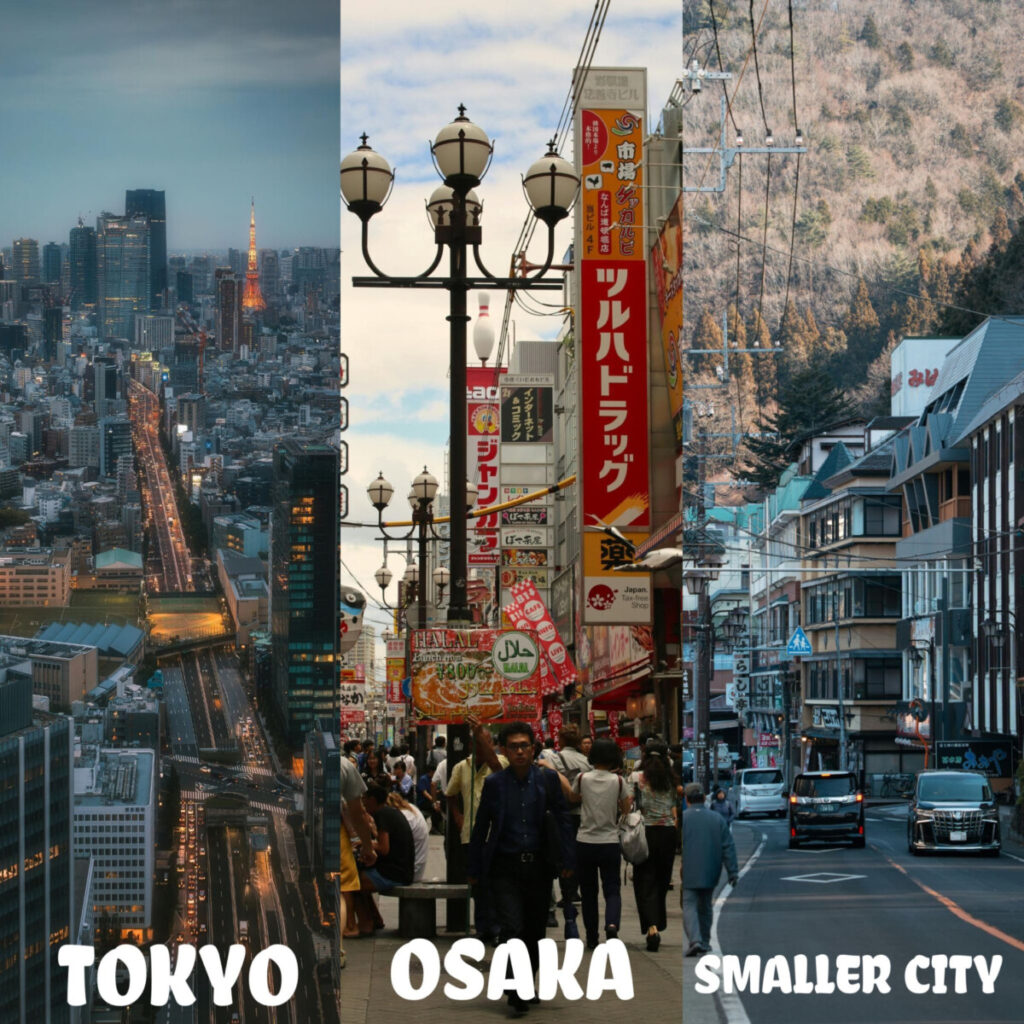
In Tokyo, Osaka, or smaller Japanese cities, the place where you choose to live directly affects the spending of your monthly budget.
Costs Comparison Summary
Every city has its unique structure of how your budget will be divided.
- Tokyo – the most expensive city
The cost of renting takes up a big share of your income. In exchange, you will have a close proximity to jobs, transportation, and all basic services. This means higher costs of food and other daily beverages. - Osaka – middle option
This city offers a relatively low cost of renting. Your income will have more space for other items in your budget. Also, here you have great opportunities regarding job availability and other services. - Smaller Cities – cheapest choice
You spend less money in terms of rent, and since everything else isn’t within easy reach, you end up having to plan for everything else.
City that Matches Your Budget
Your decision should revolve around what you expect from the budget in question. In this regard, here is an easy way to go about it:
- Budget-oriented → Fukuoka / Sapporo
Lower rent gives you more control over your monthly costs. - Career-oriented → Tokyo
Higher rent connects you to more job options and faster income growth. - Balanced → Osaka
Costs, access, and daily life stay in the middle, offering a mix of lower rent and good access to work and services.
Overall, your monthly budget would be determined by the city in which you reside.
Hidden Costs You Might Not Expect
Some expenses do not become evident immediately when you analyze the numerical data. They appear only after you begin incurring them on an everyday basis. Let’s see the main ones.
- Move-in costs: To receive your apartment keys, you should immediately pay several sums at once. These are your deposit, key money, agency fee, and a month’s rent. It means several months’ rent in advance.
- Health insurance: After registration as a resident, you will be required to contribute to the national healthcare service. The size of your contribution is directly dependent on your earnings and is included in your monthly expenses.
- Pension contributions: Your pension account will also require a monthly fee. Even if you do not intend to remain in Japan for an extended period, this expense remains relevant.
- Seasonal costs (AC/heating spikes): This cost is higher in summer and winter because your air conditioner and heater use electricity for many hours a day.
- Travel within Japan: The daily costs of traveling are affordable, but costs incurred from traveling longer distances or using the bullet train are another matter entirely.
- Visa and registration costs: This includes any visa costs you incur, as well as registration for your residential address. These will be your initial cost estimates.
This list of expenses might seem unimportant at first. However, these costs will be included in your overall budget once you get settled in.
Ways to Reduce the Cost of Living in Japan
Reducing the cost of living in Japan starts by making sensible decisions on how to live. The little things will become big savings very quickly.
These are the areas where you can save the most money.
- Choose smaller cities
– Moving away from Tokyo and other big cities will reduce your cost of living significantly just by moving. This works great for people who have a flexible work schedule and don’t care about the number of available options. - Use the transport system wisely
– Buying a monthly pass will keep your commuting costs stable throughout the month. You’ll also save money by living close to your place of work and reducing the route you travel daily. - Eat as the Japanese do
– Learning a few phrases in Japanese makes eating locally easier. It will help you to read the menu easily and eat like the natives. - Avoid unnecessary subscriptions
– It is effortless to pile up small amounts that get deducted every month. Streaming websites, applications, and membership services will add up to your expenses if you fail to check on them once in a while. - Optimize mobile and internet setup
– Your phone becomes part of daily life almost immediately. You use it for directions, payments, and staying connected. A simple mobile plan helps you avoid high roaming fees or complicated contracts. If you are setting this up for the first time, this guide to getting a Japan phone number can help you understand what to expect.
Is Japan Affordable in 2026?
You can use Japan to your advantage, depending on how you decide to live there.
Rental prices will remain relatively high in the urban cities of Japan, such as Tokyo. However, once you settle on how much rental space you want, most other expenses will be relatively constant. The prices of food, transport, and medical services will not vary too much, making it easy for you to predict your expenses.
Going for an apartment close to the center and eating out frequently will increase your expenses. Going for a house that is some distance away and changing your eating habits will stabilize your expenses.
How you decide to live will determine how expensive life in Japan will be for you.
What Your Monthly Life in Japan Really Costs
When talking about living costs in Japan, it all depends on the organization of your day-to-day life, not where you stay. In case you decide to settle in the city center and move around effortlessly, there will be a vast difference in how you utilize your resources than when you decide to settle in cheaper neighborhoods.
You should picture different scenarios depending on your city, your way of spending time, and your schedule. There will be no other way to understand what your month costs.
With an accurate planning process, you will get better results. This way, your arrival in Japan won’t seem uncertain anymore.
In case you need more examples to follow, check Mobal’s blog for more advice on this matter.