What is summer like in Japan?
- What Is Summer Like in Japan?
- What Travellers Need to Know for Summer in Japan
- Summer in Japan: June
- Summer in Japan: July
- Summer in Japan: August
- Festivals, Fireworks, and Beaches: 4 Ways to Spend Your Summer in Japan
- Summer in Japan: What to Eat
- Is It Worth Visiting Japan in Summer?
- FAQs
What travelers need to know for Summer in Japan
- Heat and Humidity can be intense (Specifically during July – August)
- What months are summer in Japan? Summer in Japan ranges from June to August.
- Rainy Season (tsuyu) typically occurs in June.
- Hydration is essential; thankfully, you are in the land of Vending Machines.
Let’s break it down month by month—starting with the forecast and what to wear.
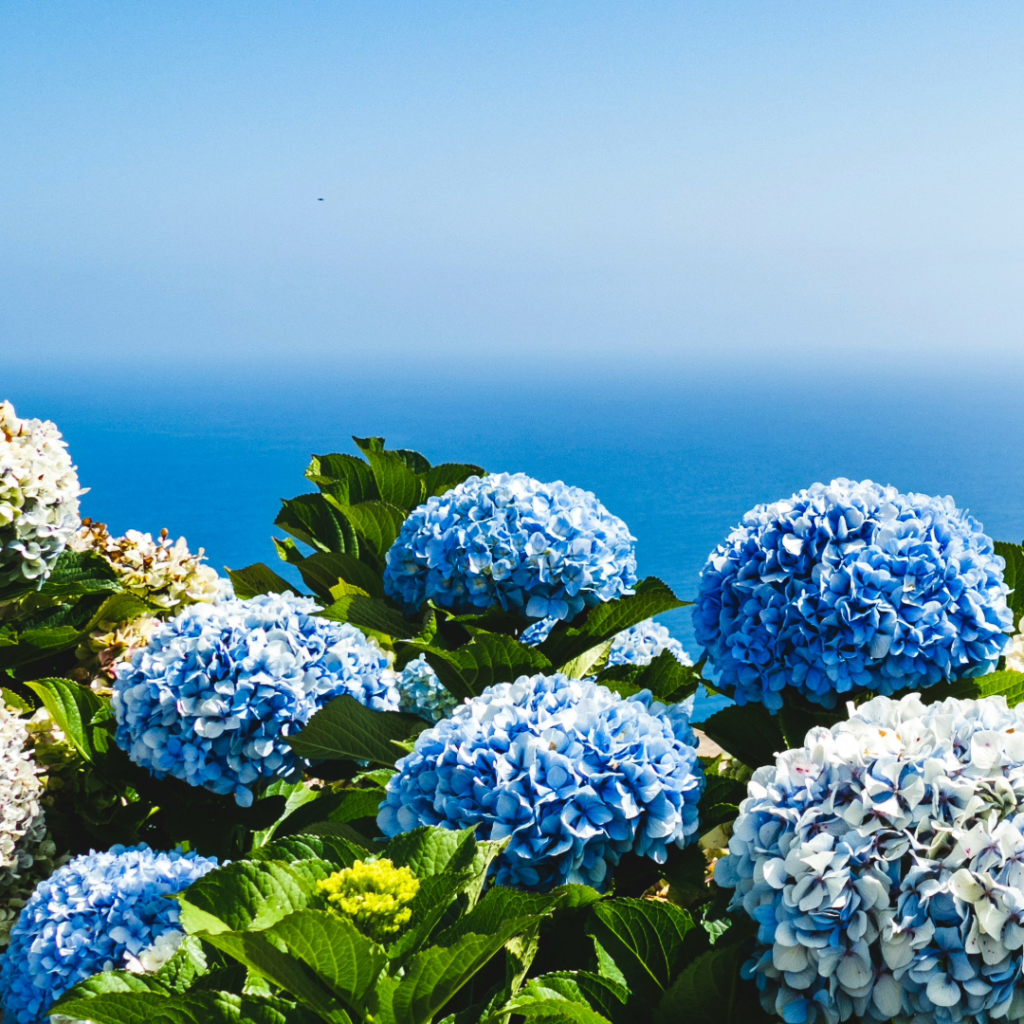
Summer in Japan: June
| Weather | Forecast |
|---|---|
| Dry Days | 22 days |
| Wet Days | 8 days |
| Avg Max Wind | 21 km/h |
| Temperature | 20–26°C |
| Humidity | 69% |
What to wear in June?
- Light layers and waterproof clothing will be your best friend.
- Choose breathable fabrics to stay comfortable as humidity rises.
- Evenings can feel cooler, so be prepared.
- Make sure you pack SPF 50, although there’s lots of rain, the average temperature will still range from 25-30 degrees.
- Carry a light jacket or scarf for added layers at night.
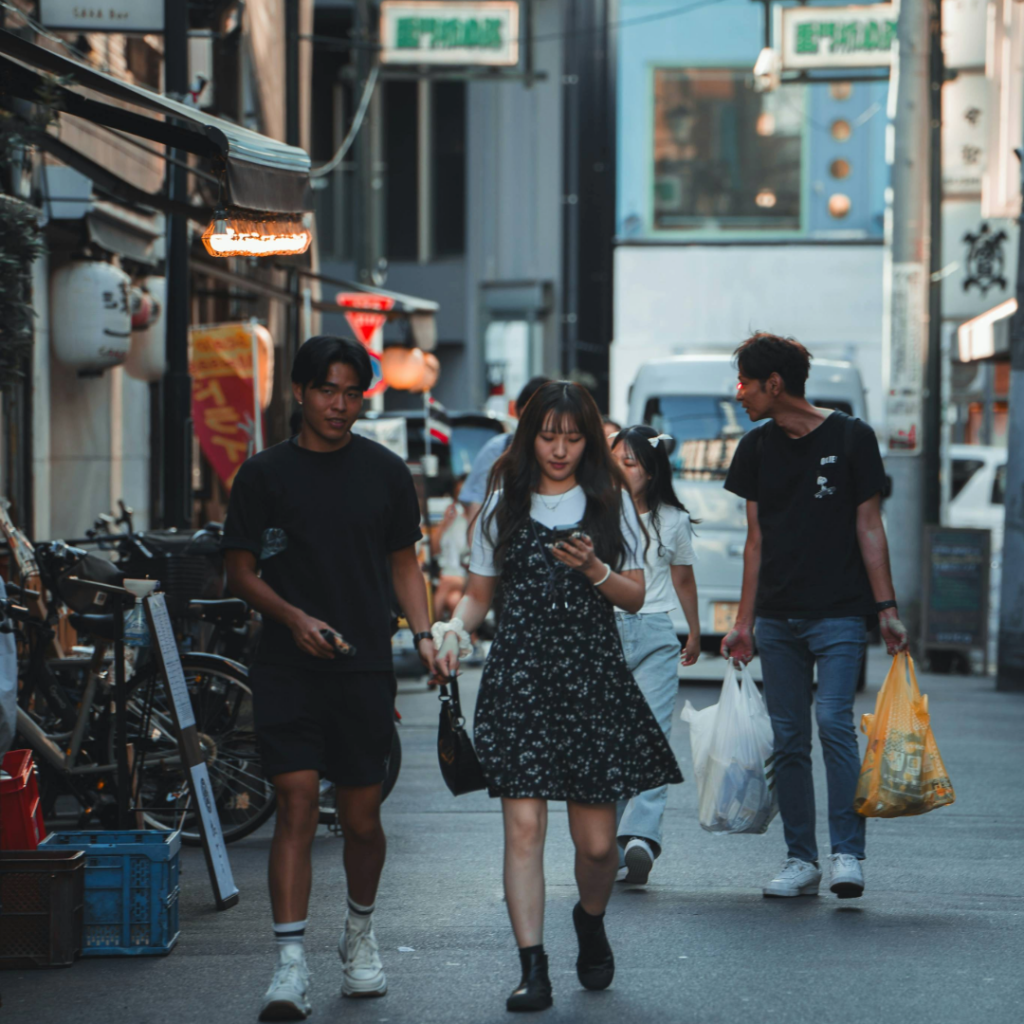
Summer in Japan: July.
July signals the end of Tsuyu and the start of peak summer in Japan, bringing intense heat and powerful sun. The humidity remains high, making places like Kyoto especially famous for their stifling, trapped heat.
Here’s what to expect from Japan’s weather in July:
| Weather | Forecast |
|---|---|
| Dry Days | 23 days |
| Wet Days | 8 days |
| Avg Max Wind | 22 km/h |
| Temperature | 24–29°C |
| Humidity | 68% |
What to wear in July:
- Loose, airy clothing
- Shorts, skirts, t-shirts (note some shrines/temples appreciate modest clothing)
- Hat + sunglasses
- SPF
- Small portable fan.
- Wipes, or cooling towels
- Pocari Sweat is a popular Japanese electrolyte drink designed to restore hydration and replace lost minerals and vitamins.
- SPF, keep this on you to apply throughout the day.
Summer in Japan: August.
Here’s what to expect from Japan’s weather in July:
| Weather | Forecast |
|---|---|
| Dry Days | 7 days |
| Wet Days | 24 days |
| Avg Max Wind | 23 km/h |
| Temperature | 25–31°C |
| Humidity | 68% |
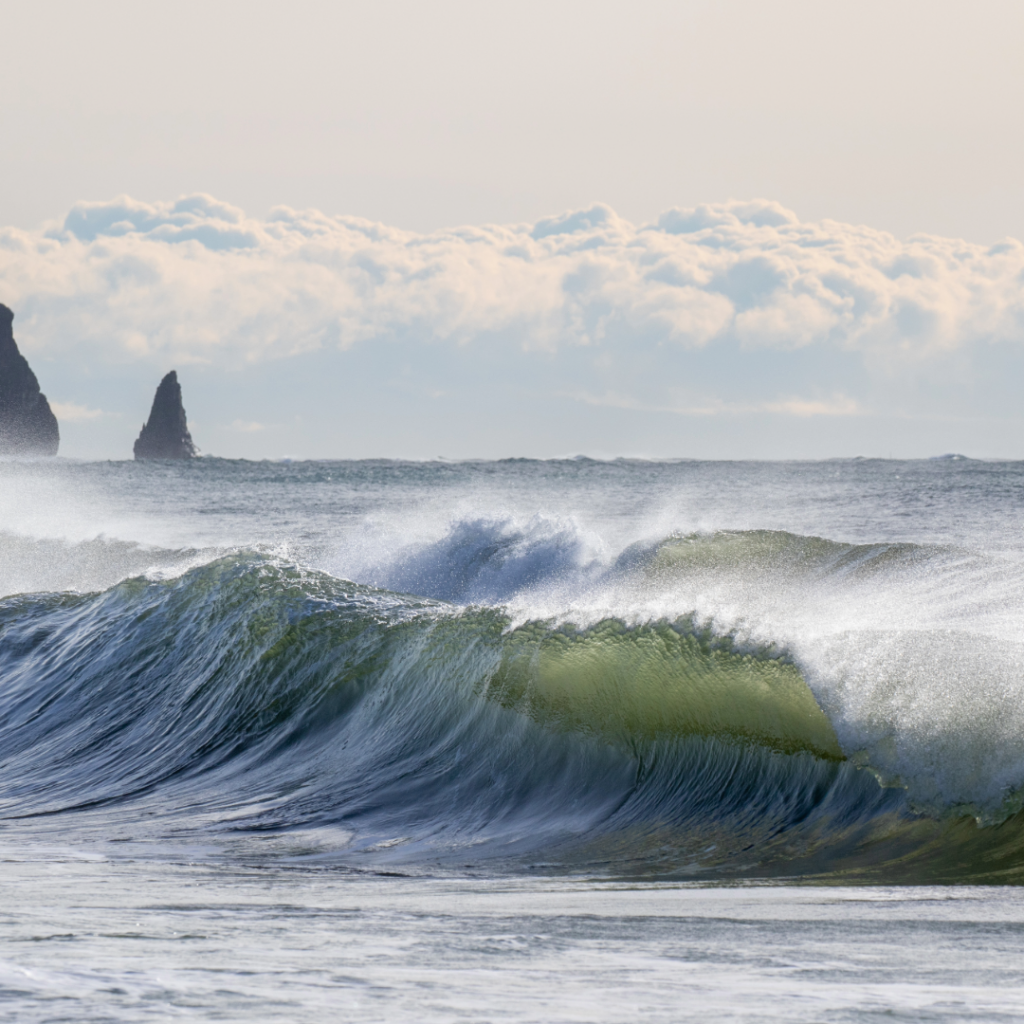
August also marks the start of typhoon season. During August and September, Japan typically experiences around 2–3 typhoons per month. While they are not a daily occurrence, they can still cause disruption, particularly to flights and travel plans.
Summer in Japan Tip: Always have a back-up rainy day plan in august due to it being Typhoon Season.
What to wear in August:
- Ultra-light clothing
- Moisture-wicking fabrics
- Sandals or breathable trainers
- SPF
Again, August is another month where you will benefit from a “Cooling kit” and having those items at hand.
Festivals, Fireworks and Beaches: 4 ways to spend your summer in Japan.
Before diving into the best things to do in summer in Japan, here’s a quick breakdown of what each month really looks like—so you know what to expect, what to pack, and the kind of activities travellers naturally gravitate towards.
June
- Temp: Warm
- Humidity: High
- Wear: Light + rain-ready
Activities:
- Hydrangea viewing (Ajisai season)
- Indoor cultural attractions
July
- Temp: Hot
- Humidity: Very high
- Wear: Breathable + sun protection
Activities:
- Climb Mt. Fuji (official season opens)
- Gion Matsuri (Kyoto)
- Fireworks festivals begin
August
- Temp: Very hot
- Humidity: Very high
- Wear: Light layers
Activities:
- Obon festival celebrations
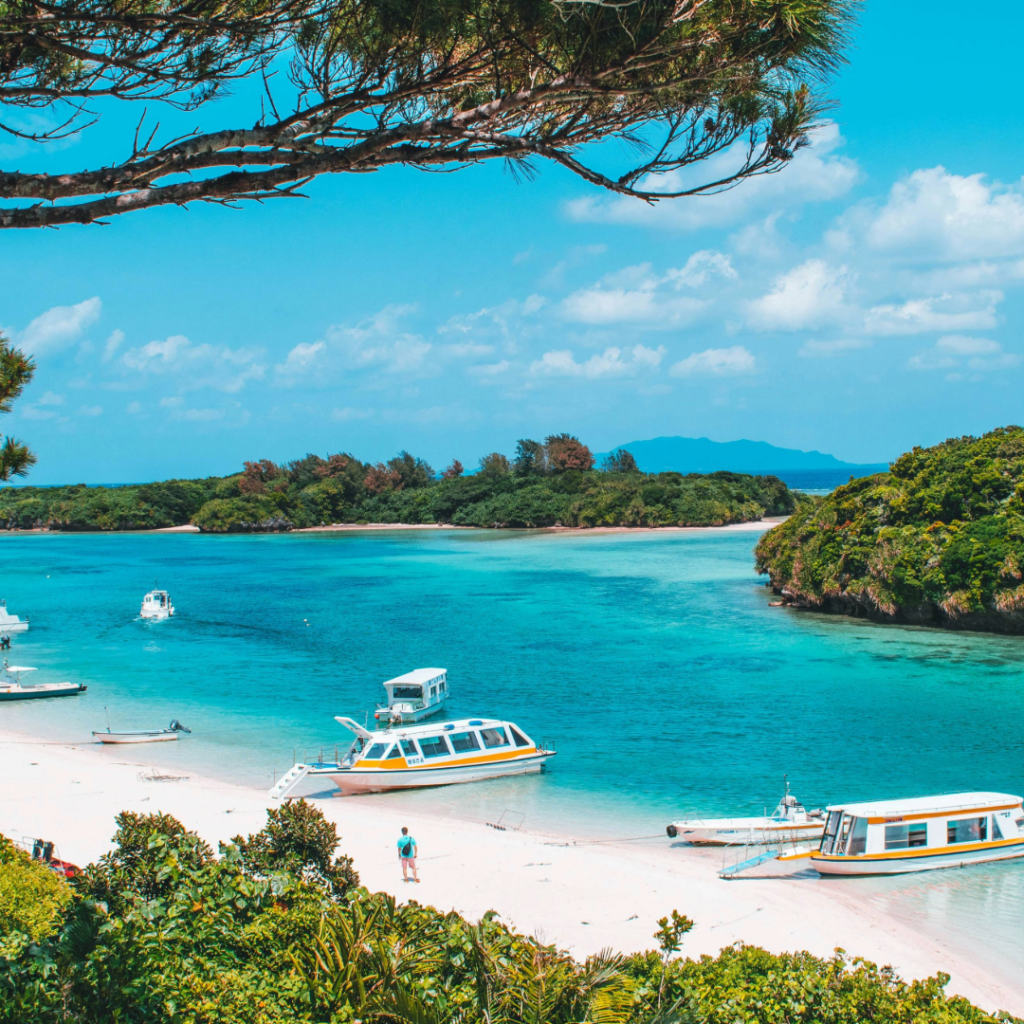
- Beach trips (Okinawa / coastal regions)
- Fireworks show nationwide
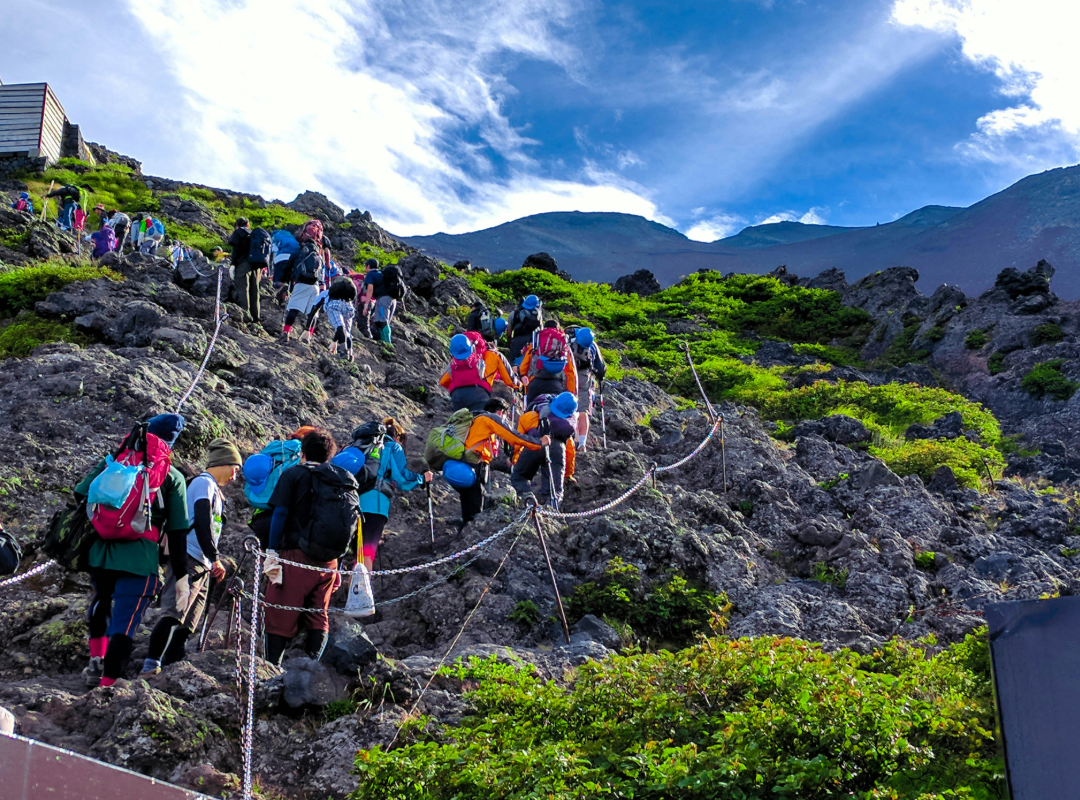
1. Climb MtFuji
July to September is widely considered the best time to take on the challenge of climbing Mount Fuji, Japan’s highest peak. During this period, thousands of tourists make the ascent, with July being especially popular thanks to warmer temperatures and more accessible conditions.
With milder weather at higher altitudes, many hikers turn the experience into a two-day adventure, often staying overnight in mountain huts or camping, as the evenings remain relatively warm.
2. Attend a Matsuri festival
Kyoto Gion Matsuri
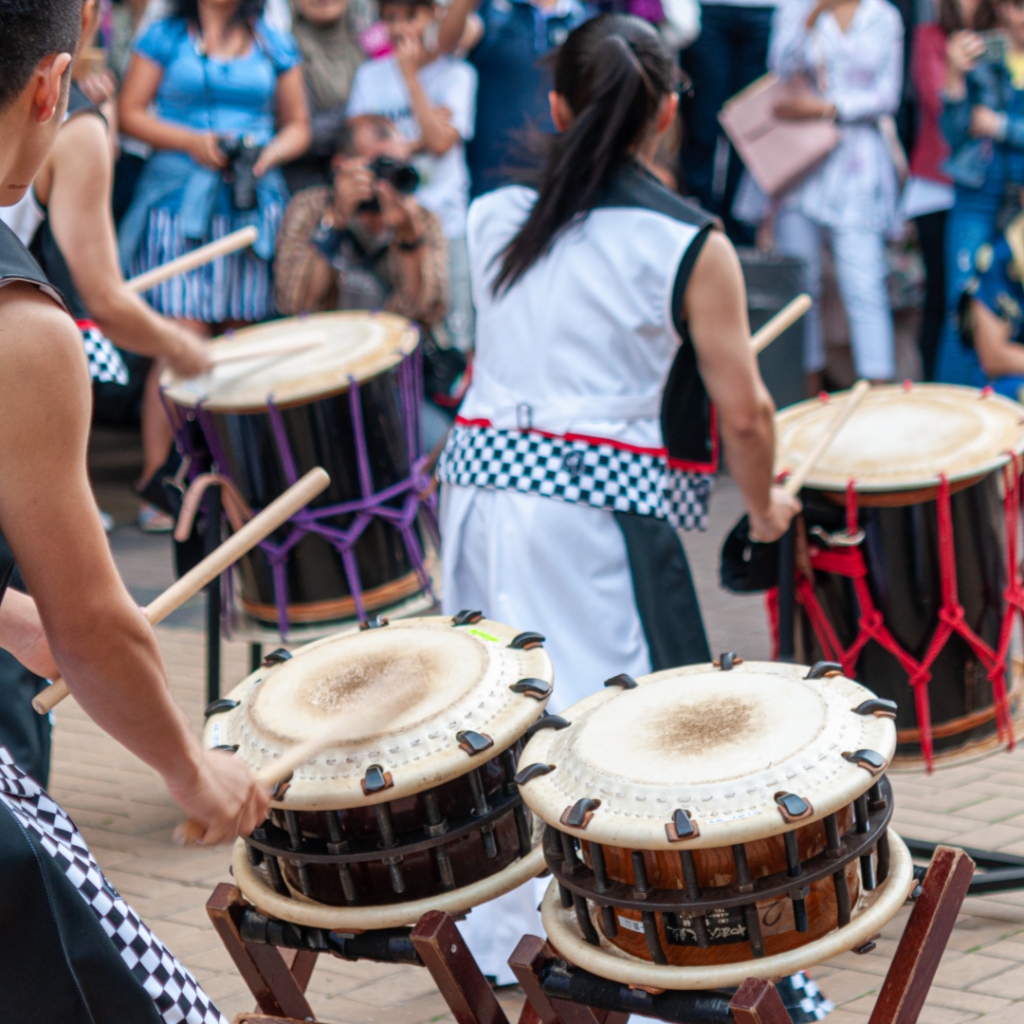
Don’t miss out to the chance to immerse yourself in rich Japanese Culture and attend a Japanese Summer Festival.
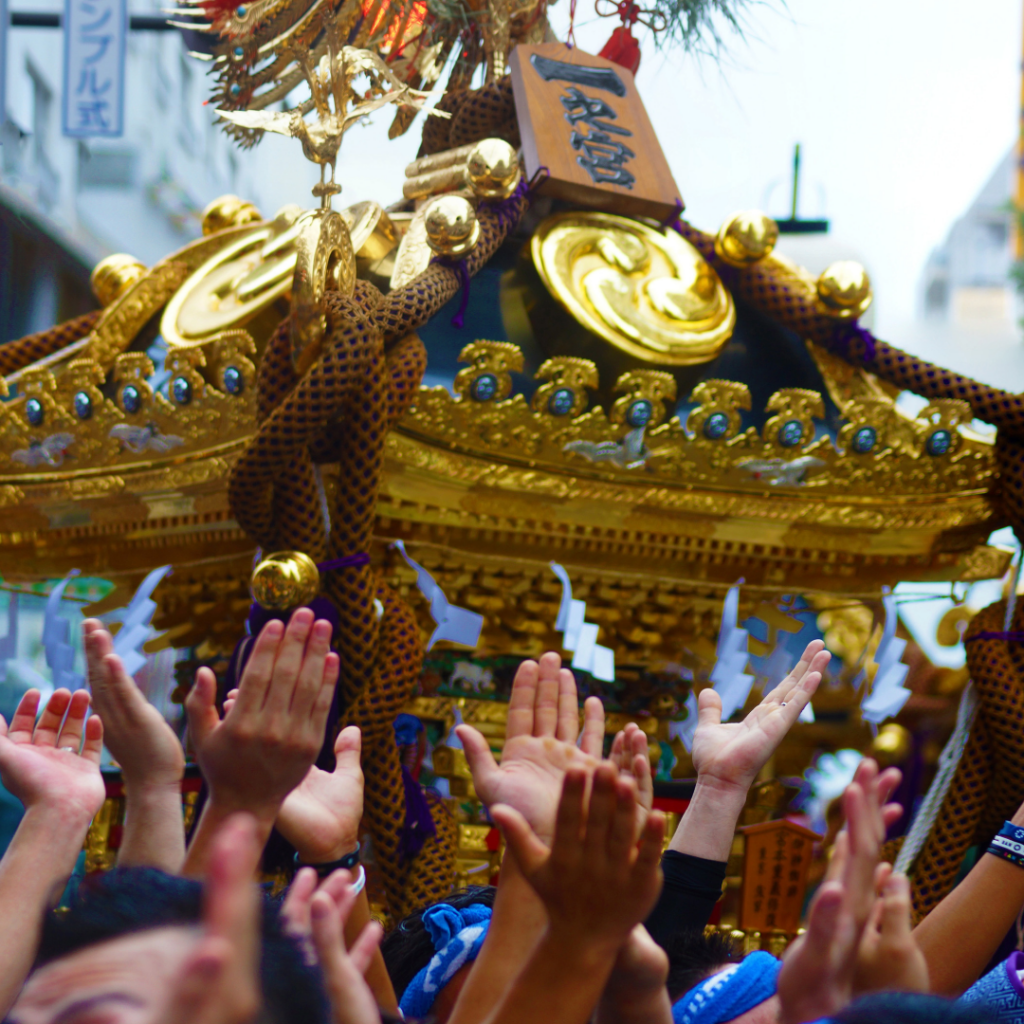
Kyoto Gion Matsuri – is a popular choice for tourists and locals. Held throughout July, expect potable shrines, traditional dances, and street food! Keep an eye out on their website for specific days where you can attend traditional Japanese Parades.
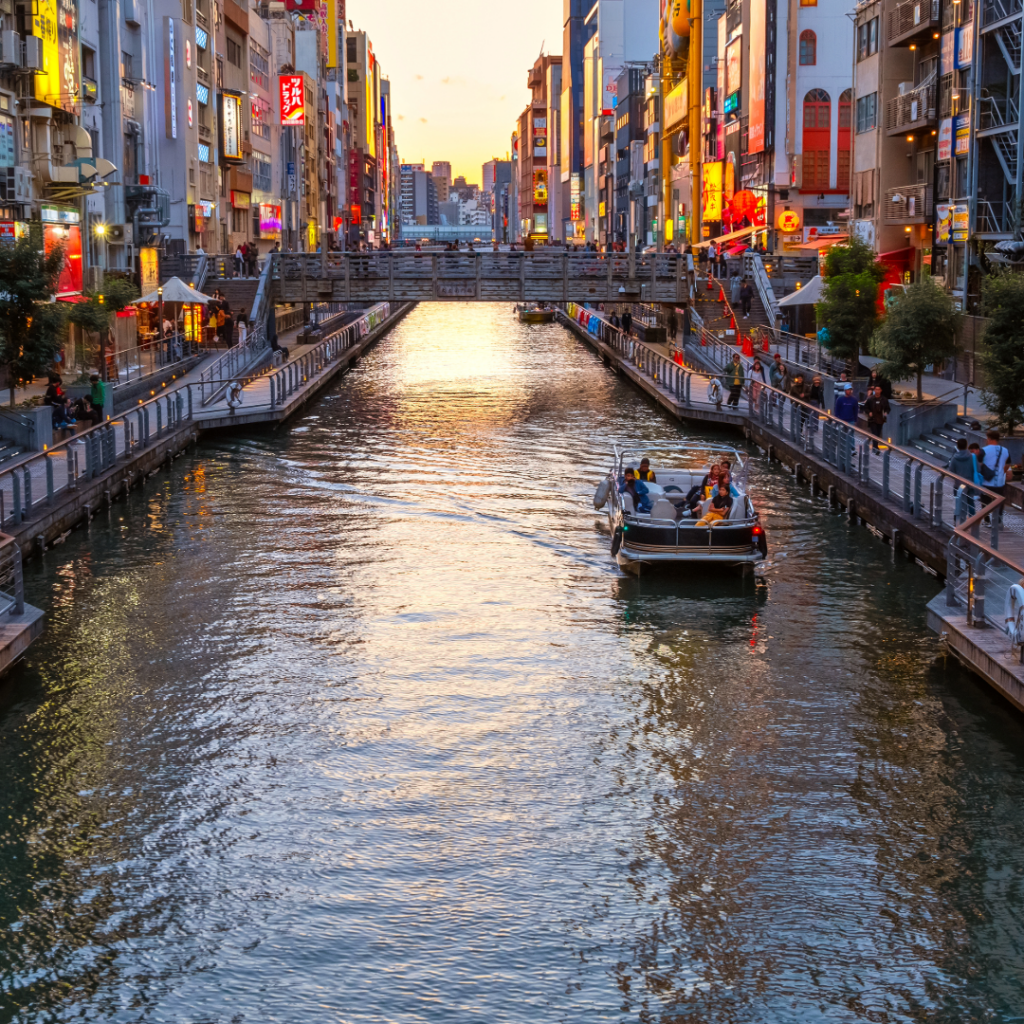
Osaka Tenjin Matsuri
For a more refreshing experience, the Osaka Tenjin Matsuri, held on July 24th and 25th, features a two-day celebration along the Okawa River. Over 100 boats line the river and glide through the evening, while fireworks illuminate the night sky.
Tokyo Sanno Matsuri
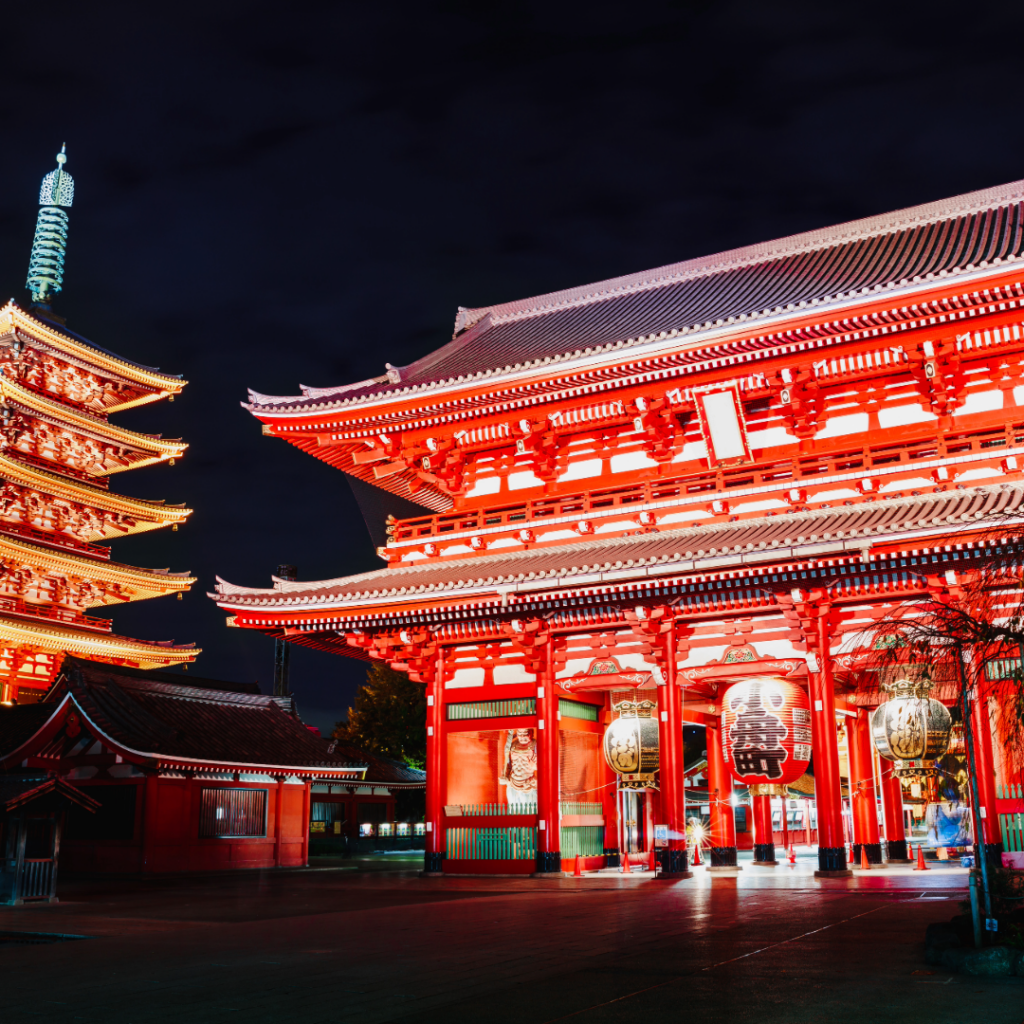
Known as one of the three great festivals of Edo period (1603-1867), Sannno Matsuir once known as Tenka Festival is one of Tokyo’s most traditional festivals still held to this day. The festival occurs every two years, with the next edition scheduled for mid-June 2026. A traditional parade winds through the streets of Tokyo, starting at Hie Shrine and making its way to Tokyo Station, the Imperial Palace, and Yasukuni Shrine, making this parade an easily accessible Matsuri to witness.
While the Golden Triangle hosts some of the most famous Natsumatsuri, summer festivals can be found all across Japan. They’re a great way to tick off multiple experiences at once, from food and culture to local traditions.
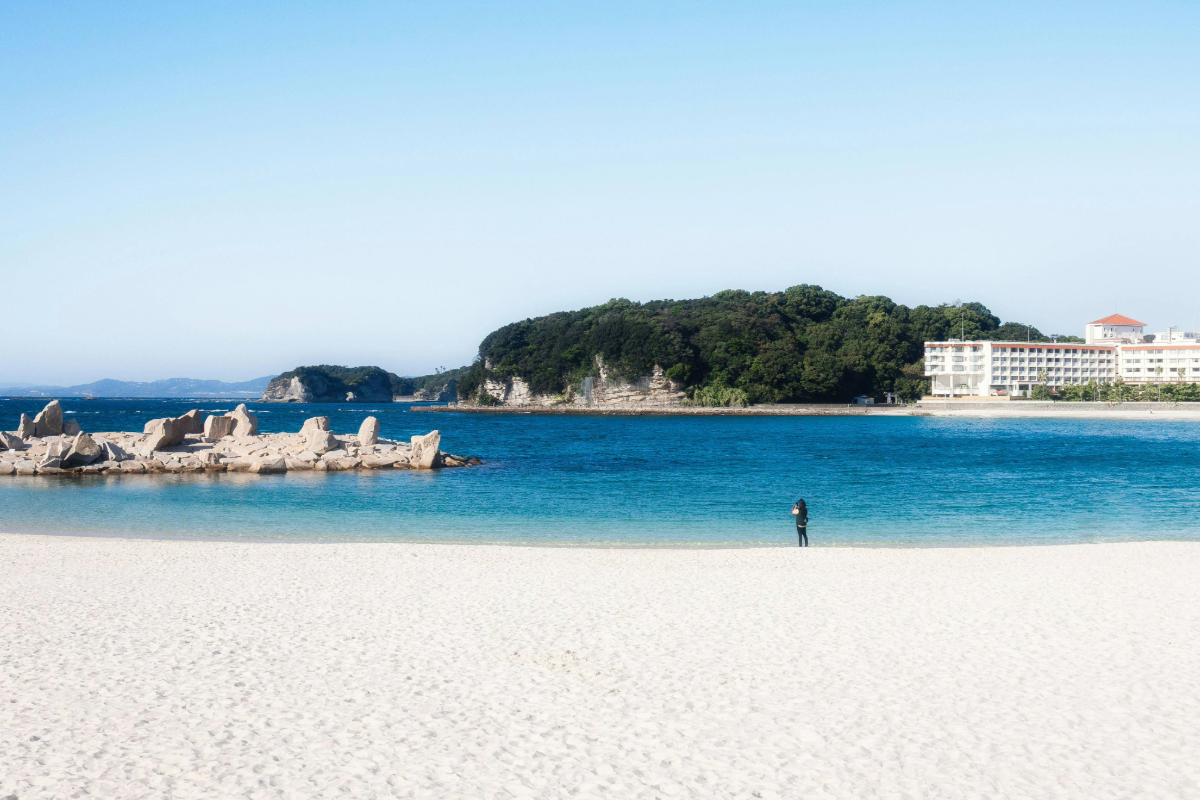
3. Spend a day on the beach
|
Prefecture
|
Beach Name
|
Best For...
|
|---|---|---|
|
Hokkaido
|
Ishikari / Otaru Dream / Shimamu
|
Summer travel (July–August), cooler climates, quieter beaches
|
|
Tohoku
|
Scenic views, peaceful atmosphere, nature lovers
|
|
|
Kanto (Ibaraki / Kanagawa)
|
Oarai Sun Beach /
Zaimokuza Beach
|
Easy access from Tokyo, day trips, beginner-friendly beaches
|
|
Chubu (Shizuoka)
|
Shirahama Beach / Sotoura Beach
|
Clear water, popular with travelers, relaxed beach towns
|
|
Kansai (Wakayama / Awaji Island)
|
Shirarahama Beach / Keino Matsubara Beach
|
Resort vibes, hot springs, very tourist-friendly
|
|
Okinawa
|
Yonaha Maehama Beach / Emerald Beach / Kondoi Beach
|
Tropical experience, crystal-clear water, island escape
|
|
Prefecture
|
Distance from Tokyo
|
Train / Bus / Flight
|
|---|---|---|
|
Hokkaido
|
~830 km
|
Not practical (long-distance rail) /
1.5hr flight
|
|
Tohoku
|
~500 km
|
~2.5–3 hrs (Shinkansen) / 1hr
|
|
Kanto (Ibaraki / Kanagawa)
|
~80–120 km
|
1–2 hrs (train/bus) / Flight not needed
|
|
Chubu (Shizuoka)
|
~180 km
|
~2–3 hrs (train) / Flight not needed
|
|
Kansai (Wakayama / Awaji Island)
|
~450–550 km
|
~4–5 hrs (train/bus) / 1hr
|
|
Okinawa
|
~1,550 km
|
Not possible / ~3 hr
|
4. Experience Hanabi
Sumida River Fireworks Festival
Kyoto Art Fireworks
(Osaka) Senshu Yumehanabi at Sakai Daigyo Night Market
Summer in Japan: What to eat?
Some tourists may debate going to Japan in the summer as they want to eat endless amounts of hot ramen, noodles and katsu curry! You can still do this in those warmer months, but we recommend you follow the locals and indulge in Kakigori instead. Kakigori (shaved ice) is a Japanese summertime delicacy. Shaved ice with syrup and loaded toppings can be found anywhere in the summer months. But if your heart is really set on noodles, you can enjoy some cold Somen noodles, or another cultural favourite, unagi (grilled eel).
Convenience stores even stock up on cold snacks, fruity desserts, and limited-edition summer treats. It’s less about heavy meals and more about light, cooling foods that help you actually cope with the heat—because in a Japanese summer, finding something cold isn’t just nice, it’s essential.