Shopping in Japan: Where to Go, What to Buy and How to Shop Smart
Japan shopping feels different in the best way. A single street can go from a tiny ceramics studio to a six-floor electronics tower to a vintage kimono dealer. The way stores package, present, and care about even the smallest purchase is unlike anywhere else. Whether you travel on a tight budget, look for luxury exclusives, or want authentic handmade crafts – Japan has something worth buying at every price point. For up‑to‑date legal definitions and categories, you can also check the official Japan Tax‑free Shop page from the Ministry of Land, Infrastructure, Transport and Tourism.
This guide covers where to shop, what to buy, and practical tips that will make the whole process easier. For a concise official overview of shopping in Japan, see the Japan National Tourism Organization’s shopping guide, then use this article to plan specific areas and buys.
Bottom line: Spend most of your shopping time in the big station areas of Tokyo, Kyoto and Osaka, decide what you want to buy before you land, carry your passport for potential tax‑free discounts, and use a Japan‑ready eSIM or pocket WiFi so you can navigate and translate on the move.
Why Japan is a Shopping Paradise
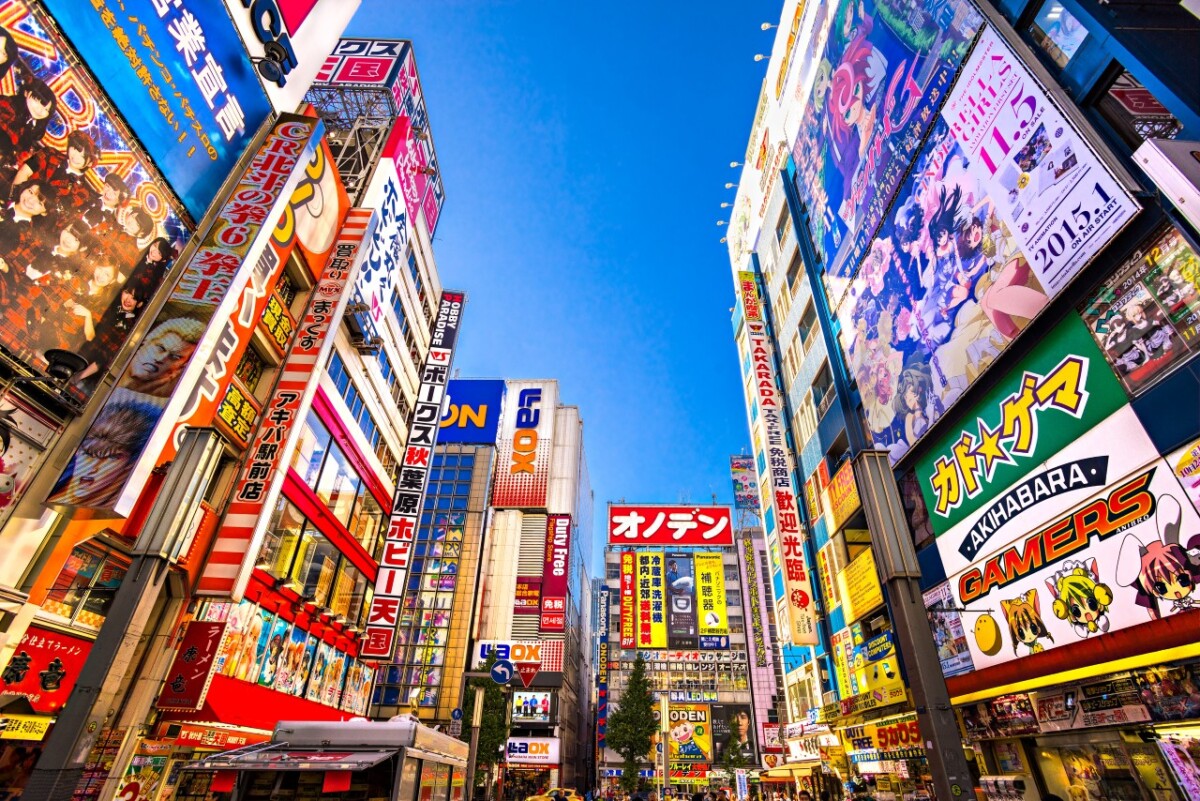
For most visitors, the best shopping in Japan is not about one famous store or one luxury district. The draw comes from range, consistency, and many small touches that make even a low-cost buy feel considered. You can spend an hour in a famous department store, then step into a small local shop and still get neat wrapping and patient help.
Shopping culture in Japan has its own character:
- Store staff are polite and helpful; they do not pressure customers.
- Packaging gets special care, even for small items.
- Seasonal goods, regional products, and limited-run collaborations are common.
- Department stores, station malls, flea markets, and specialty shops each offer a different feel.
- Tax-free shopping is available in many stores for eligible foreign visitors.
Prices cover a wide span. A good notebook or sunscreen can be found for a modest price, while designer fashion and luxury cosmetics sit a short walk away. Many shops run point programs and weekend discounts, so checking store apps or flyers can help.
Quality is easy to notice across categories, not just at the high end. Everyday tools, kitchen items, socks, pens, and travel bottles often feel durable and well-finished.
Japan’s main shopping districts are built around major train stations, which means you rarely need a car or taxi to cover a lot of ground in a single afternoon. Large department stores, underground malls, electronics chains and small specialist shops often sit within a five‑minute walk of one another, so a good part of your shopping plan is simply choosing the right station to start from.
| City | Area / Street | Best For | Nearest Station |
|---|---|---|---|
| Tokyo | Shibuya | Fashion, department stores, youth brands | Shibuya Station |
| Tokyo | Shinjuku | Department stores, electronics, underground malls | Shinjuku Station |
| Tokyo | Ginza | Luxury brands, flagship stores | Ginza / Yurakucho |
| Tokyo | Harajuku / Omotesando | Streetwear, boutiques, people‑watching | Harajuku / Omotesando |
| Tokyo | Akihabara | Electronics, anime, games | Akihabara Station |
| Kyoto | Shijo / Kawaramachi | General shopping, cafés | Kawaramachi Station |
| Kyoto | Teramachi / Shinkyogoku | Covered arcades, small shops | Shijo / Kawaramachi |
| Kyoto | Nishiki Market | Food, snacks, kitchenware | Shijo / Karasuma |
| Osaka | Namba / Shinsaibashi | Fashion, drugstores, souvenirs | Namba / Shinsaibashi |
| Osaka | Umeda / Osaka Station | Department stores, large malls | Osaka / Umeda |
Types of Shops and Malls You Will See
Before you plan specific cities, it helps to recognise the main kinds of places you will be walking into.
-
Department stores (depaato). Multi‑storey stores near major stations with fashion, home goods, food basements and tax‑free counters – for example, Mitsukoshi, Takashimaya and Isetan.
-
Station malls and fashion buildings. Complexes like Shibuya Scramble Square or Kyoto Station’s Isetan and The Cube are directly connected to stations.
-
Shotengai and covered shopping streets. Older streets with a roof overhead, lined with independent shops, cafés and services, are common in Kyoto and Osaka.
-
Underground malls. Passageways under big stations, such as Porta in Kyoto, are packed with fashion, cosmetics and food.
-
Outlet malls. Large complexes like Gotemba Premium Outlets or Mitsui Outlet Parks on the edge of cities with brand discounts.
-
100‑yen shops and variety stores. Chains such as Daiso, Seria, Don Quijote where you can pick up stationery, kitchen goods, travel gear and snacks.
-
Drugstores. Places like Matsumoto Kiyoshi, which offers popular Japanese skincare, medicines, and everyday toiletries.
Best Japan Shopping Destinations by City
Each city in Japan offers a different kind of shopping experience. Some areas focus on fashion and electronics, while others lean toward food, crafts, and traditional goods.
Tokyo
Shopping in Tokyo, Japan, covers almost every category in one place. Fashion, electronics, luxury goods, anime items, and traditional products are all easy to find.
Shibuya and Shinjuku – Everything in One Place
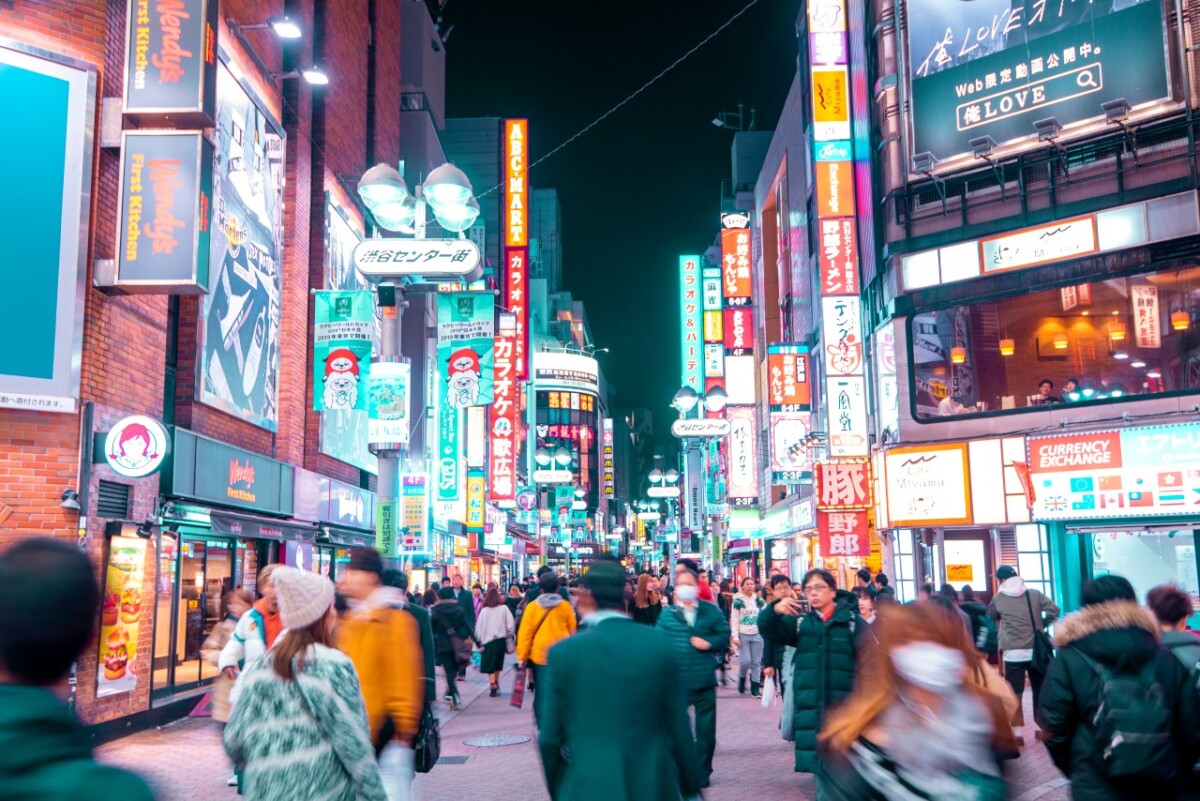
A practical starting point for most visitors. Large complexes like Shibuya PARCO, Shibuya Scramble Square, and Shibuya Hikarie carry clothing, cosmetics, and souvenirs. Shibuya PARCO also has stores for Nintendo, Pokémon, and anime. Uniqlo and GU are good options for everyday clothing.
Harajuku and Omotesando – Youth Fashion and Boutique
Known for youth fashion and vintage stores. Takeshita Street has low-cost accessories and character goods. Cat Street and Omotesando offer better clothing and smaller boutiques. Vintage denim and secondhand designer pieces are easy to find here. Side streets between Cat Street and Meiji-dori hide small Japanese designer studios that most tourists walk past – prices are often lower than the boutiques on the main road.
Ginza – Luxury and Flagship Stores
A well-known district for luxury shopping. Ginza Six, Matsuya, and Mitsukoshi carry designer brands, cosmetics, stationery, and packaged food. Shops with tea, ceramics, and fountain pens are also common. The basement food floors (depachika) in Ginza department stores deserve a separate visit – the packaging alone makes these items some of the best gifts you can bring home.
Akihabara – Electronics and Anime Goods
This is the main area for electronics and anime goods. Stores like Yodobashi Camera sell cameras, headphones, phones, travel appliances, and computer equipment. Smaller stores focus on figurines, retro games, and trading cards.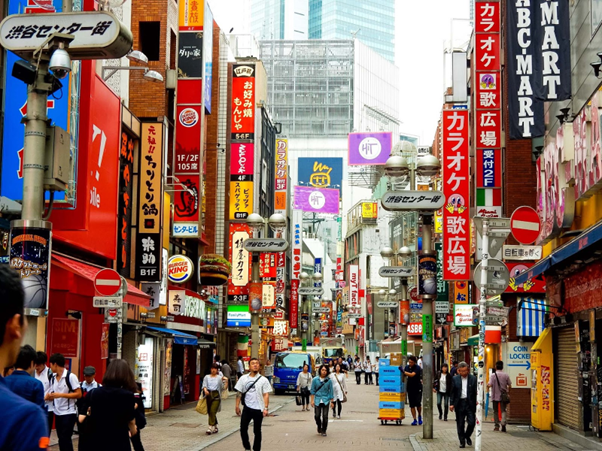
Good to know: most Tokyo shops expect quiet browsing. Staff will not approach you unless you ask. Touching items without buying is fine in large stores, but in smaller or traditional shops, ask before you pick something up.
Getting between malls, markets, and outlet centers in Tokyo is easier with the right routes. Mobal’s Japan transportation guides break down train passes, IC cards, and local bus options so you spend less time figuring out logistics.
Osaka
Shopping in Osaka, Japan, has a more casual atmosphere. Busy streets, easy food stops, and convenient retail areas make it a good city for clothes and everyday goods.
Shinsaibashi and Namba
One of the main shopping districts in the city. Shinsaibashi-suji Shopping Street has fashion chains, beauty stores, sneakers, bags, and basic goods. A good option if you want many mid-range stores within a short walk.
Dotonbori
Known for street food and nightlife, but shopping is easy to fit in. You will see character goods, drugstores, souvenir shops, and discount stores. A convenient stop between meals or short walks.
Umeda and Osaka Station City
A better area for department stores and routine shopping. Hanshin, Hankyu, and Grand Front Osaka carry clothing, cosmetics, and large food halls. This part of the city suits a more organized shopping day.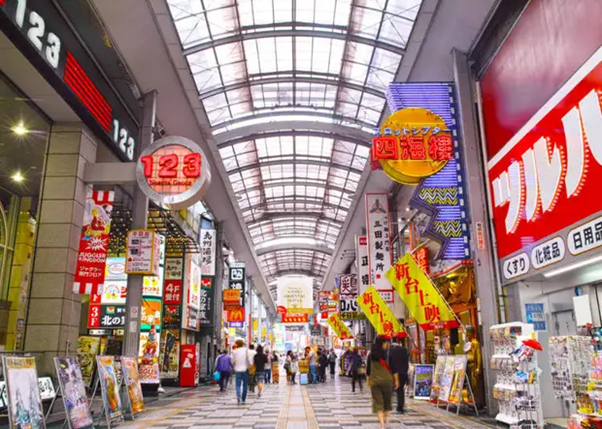
Osaka shopping tip: Bargaining is not standard in Japanese retail, but Osaka is the one place where small market vendors and secondhand sellers sometimes expect a friendly negotiation. Keep it casual and polite – aggressive haggling will not work.
Prices and sale periods vary by season. Our best time to visit Japan guide lists holiday closures, clearance windows, and crowd levels.
Kyoto
Kyoto leans toward culture, crafts, and food rather than modern retail. Many items sold here connect to local history and traditional work. Best options for shopping in Kyoto, Japan:
Historic Streets and Traditional Areas
Shops in this area sell ceramics, incense, tea, sweets, and textiles. A good place for items that feel more traditional than standard mall products.
Nishiki Market – Kyoto’s Kitchen
Nishiki Market. A well-known spot for food shopping. Pickles, tea, spices, sweets, knives, and packaged snacks are easy to pack and take home. Works well for gifts and personal use. Arrive before 11 AM to browse without the midday crowd – vendors are also more willing to explain their products and offer samples early in the day.
Sannenzaka, Ninenzaka and Temple Streets
Traditional craft areas and speciality shops. Kyoto is known for Kiyomizu ware, folding fans, washi paper goods, chopsticks, and tea tools. Stores near Sannenzaka, Ninenzaka, and temple paths carry items that feel more distinct than typical souvenir goods.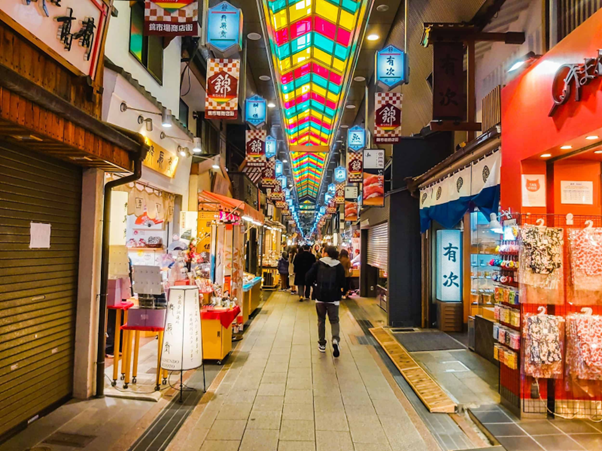
Off the main path: the streets around Teramachi and Shinkyogoku arcades have small family-run shops with handmade goods that the tourist-heavy temple areas rarely stock. Japanese stationery, handbound notebooks, and ceramic pieces here often cost 30-40% less than identical items sold near major temples.
Download maps for offline use, or use Mobal to keep a steady data connection for store hours and translations.
What to Buy in Japan Shopping
Alongside big‑ticket items, it helps to decide what you will genuinely use at home, clothes you will wear, tools you will cook with, stationery you will write with, so you avoid buying things that sit in a drawer.
A trip to Japan often ends with more than one kind of buy. Along with big-name brands, you will find small items that feel thoughtful, useful, and hard to get elsewhere. You can share finds with friends as you shop; a Mobal eSIM keeps photos and messages moving without café WiFi.
Fashion and Streetwear
City centers like Shibuya, Harajuku, and Osaka’s Amerikamura make clothes shopping in Japan easy. Expect to find oversized streetwear, denim, simple basics, and jackets.
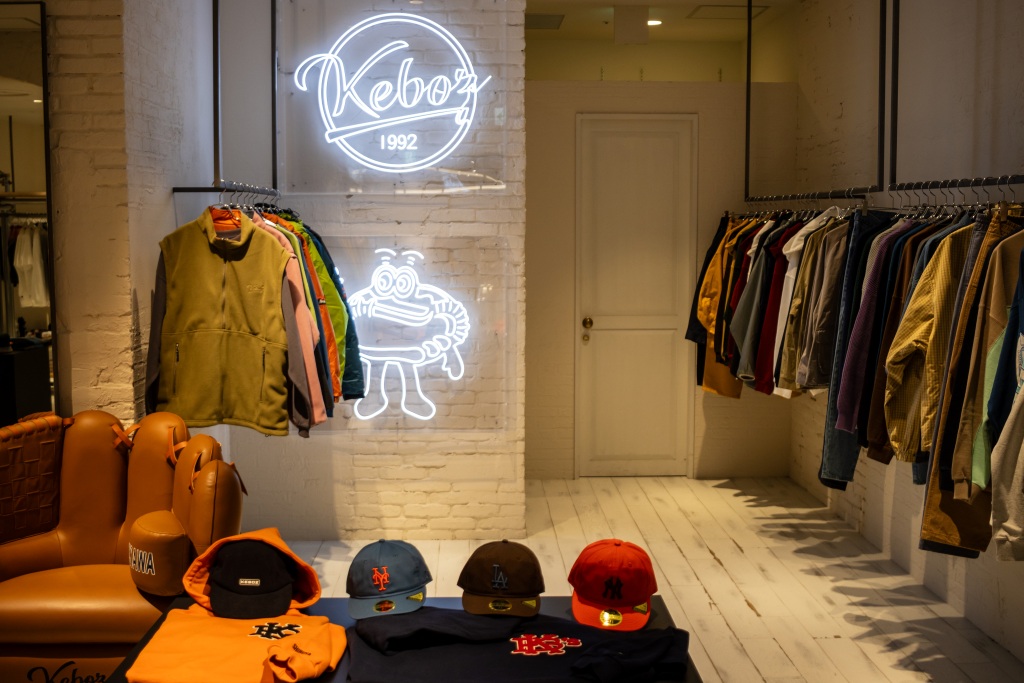
- Uniqlo and GU work well for low-cost everyday wear, with many items in the $10 to $60 range.
- Mid-tier Japanese labels and select shops often price shirts, knitwear, and outerwear from about $80 to $300.
- Vintage stores are worth the time, especially for denim and secondhand designer pieces.
Clothes Shopping in Japan: Sizes and Fit
Clothing sizes in Japan often run smaller than typical US or UK sizing, especially for women’s clothing, so you may need to go up at least one size compared with what you wear at home. Many lines use “free size” or small ranges, which tend to suit petite or slim frames best, although larger chains and some international brands have broader options.
If you are tall or have a larger build, it can help to:
- Note your measurements in centimetres before the trip.
- Start in stores known for more relaxed fits, such as Uniqlo, GU, some select shops and vintage stores.
- Try men’s sections for simple shirts and outerwear if women’s pieces feel too short or narrow.
Shoes also run small and narrow across many brands, so leave some time in your schedule to try items on rather than assuming your usual size will work.
Electronics
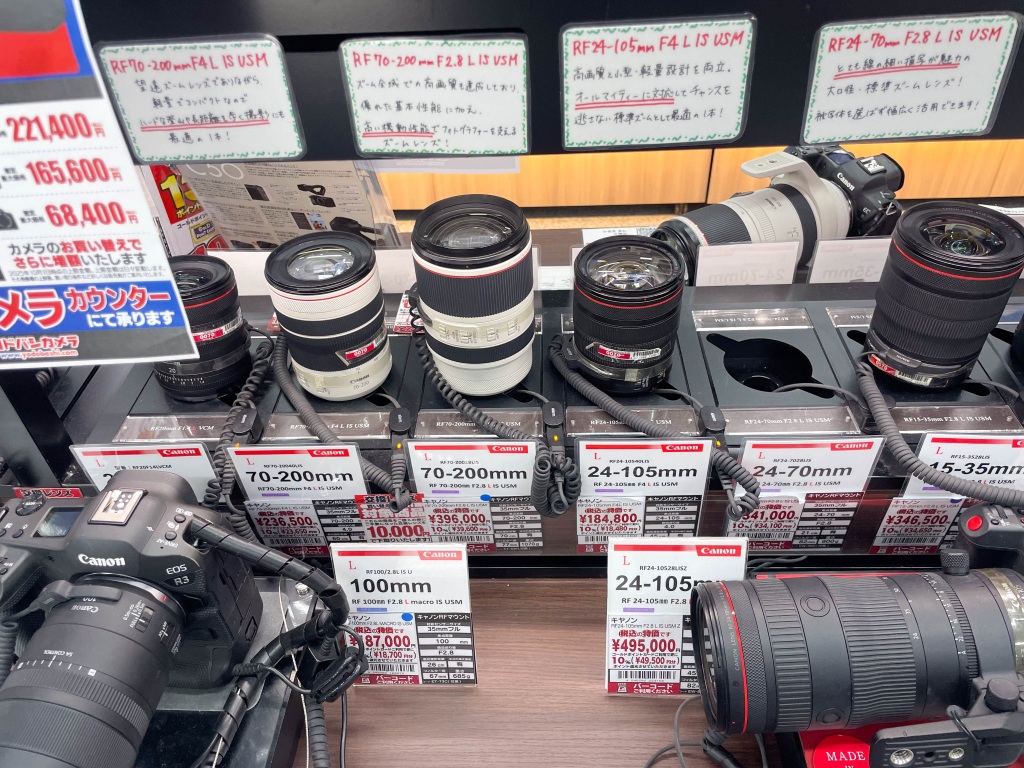
Japan remains a top place for tech. Big retailers such as Yodobashi Camera and Bic Camera carry cameras, headphones, gaming gear, beauty devices, and small travel appliances.
- Accessories often run $15 to $80.
- Cameras, lenses, and consoles can range from a few hundred dollars to well over $1,000.
Some products come in Japan-only versions, so check voltage, language options, and warranty terms.
Cosmetics
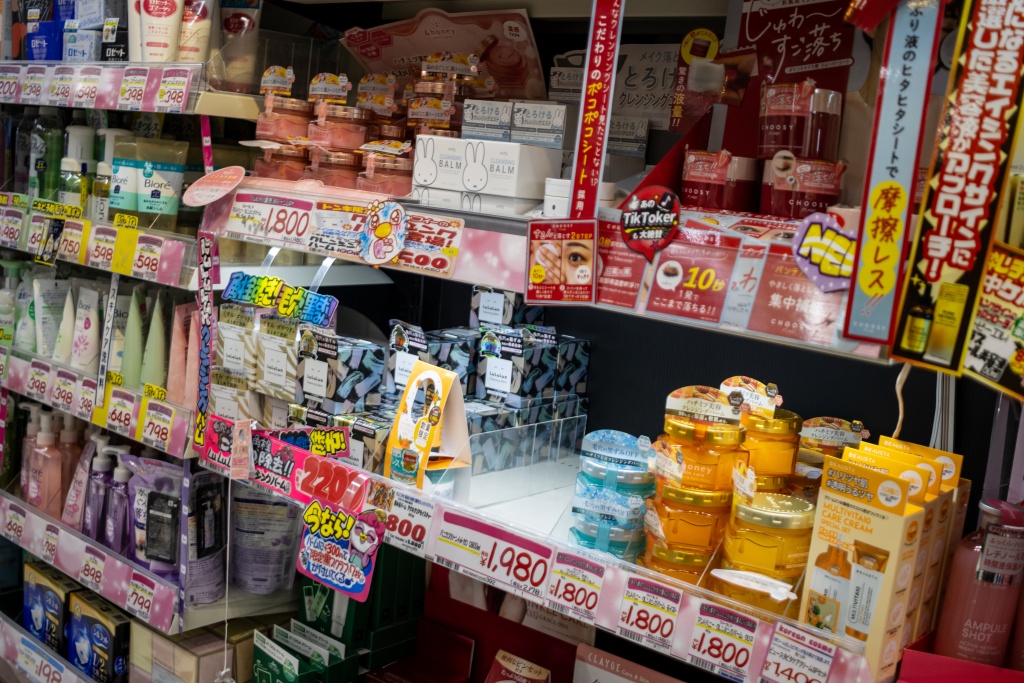
Beauty Japan shopping is a common reason people pack an extra bag. Drugstores, variety shops, and department store counters stock a huge range of skin care and makeup. Sheet masks, sunscreens, eyeliners, and lip tints are common picks.
Stores like Matsumoto Kiyoshi, Don Quijote, Loft, and @cosme are good places to start.
- Budget items often cost $5 to $25.
- Luxury creams and department store brands can go beyond $100.
Traditional Items
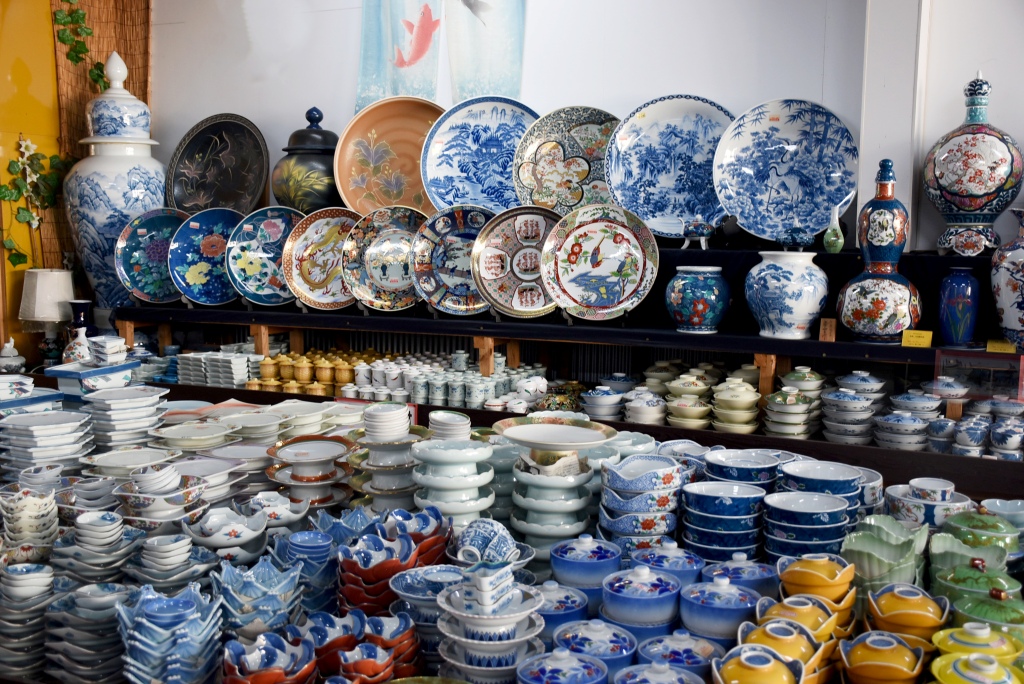
Modern buys are not the only draw. Japan is a good source for goods tied to local crafts. Ceramics, chopsticks, tea sets, folding fans, and handmade knives turn up in specialist shops across the country.
- A simple tenugui or pair of chopsticks may cost under $10.
- Hand-finished pottery, artisan tea tools, or Japanese knives can range from $40 to several hundred dollars.
Food and Snacks
Snacks are everywhere and hard to resist. Department store food halls, station shops, and airport stores offer a huge spread. Favorites include matcha sweets, Tokyo Banana, Royce chocolate, regional Kit Kats, rice crackers, and boxed mochi.
- Small snack boxes often cost $5 to $15.
- Premium sweets and gift sets can run $20 to $50 or more.
Seasonal and regional packaging is common, so the lineup often changes by city.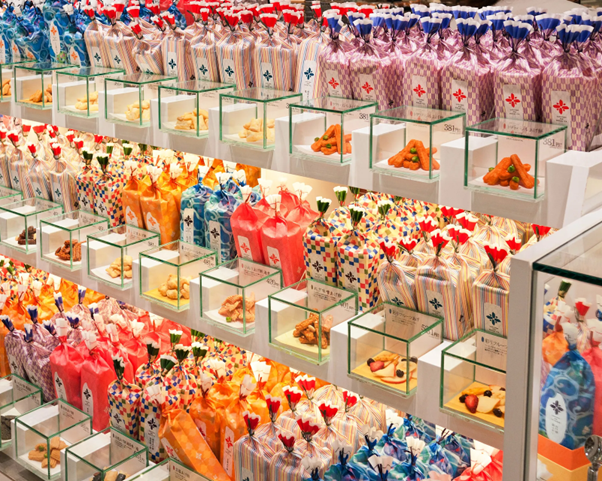
Japan Shopping Tips for Travelers
A few practical notes can make buying things in Japan easier and help you avoid small hassles:
- Best time for sales. Large markdowns appear twice a year: winter sales from early January and summer sales from late June through July. New Year “lucky bags” can be excellent value, but are final sale and often sell out on the first morning. Outlet malls near big cities also run weekend promos outside those seasons.
- Cash and card payments. Cards work in most city areas, but cash still helps, especially in small shops, markets, and older cafés. Convenience stores have ATMs that accept foreign cards.
- Clothing size conversions. Sizing often runs smaller than typical U.S. cuts. Shoes and tailored pieces vary the most. Try items on when possible, and rely on measurements in centimetres rather than S/M/L. Many stores list shoulder width, length, and waist – snap a photo of your own measurements before the trip.
- Language and communication. Staff in major districts often know basic English, but smaller shops may not. A translation app can help with questions about ingredients, materials, sizing, or store policies.
- Internet access and navigation. Mobile data makes shopping much easier in Japan. Store hours change often, and translation apps need a live connection. Mobal offers eSIMs, SIM cards, and pocket WiFi built for Japan travel – setup takes a few minutes, and coverage works in subway stations and rural towns.
For trip planning beyond purchases, check our Japan travel tips and cultural guides.
Shopping Etiquette in Japan
- Staff often greet you with “Irasshaimase” when you enter; this is a welcome, not a question, so you do not need to respond.
- Many shops use trays at the till. Place cash or cards in the tray rather than directly in the cashier’s hand.
- Prices are fixed in normal shops. Gentle bargaining may appear at flea markets, but not in department stores or chains.
- If you buy items in sealed tax-free bags, do not open them in Japan; the exemption assumes you will take them out of the country unopened.
- Ask before trying on clothes or shoes if it is not obvious, and follow any signs about removing shoes or using face covers.
Tax-free shopping.
Many department stores and big cosmetics chains offer tax-free purchases for eligible visitors. You generally need to show your passport and meet a minimum spend in one shop or group of shops in a day; the 10% consumption tax is removed at checkout in participating stores. For up-to-date thresholds, categories and the upcoming refund-based system in 2026, see our full guide to tax-free shopping in Japan.
Conclusion About Japan Shopping
Shopping in Japan often becomes a highlight of the trip. Fashion, snacks, cosmetics, electronics, and traditional goods turn up in most major cities. Budgets of all sizes work here, from simple daily buys to premium items. Big malls are easy to find, but side streets and small speciality shops often lead to the best finds. Many of the most memorable souvenirs come from these places.
Planning a visit soon? Browse our other Japan guides that cover transport, timing, and local advice that makes the whole trip run smoother – not just the shopping part.
FAQs About Shopping in Japan:
Is shopping in Japan cheap or expensive?
It depends what you buy. Everyday items, drugstore products and local brands can be good value, especially if you use tax‑free shopping in eligible stores. Imported luxury goods and big international designer labels are usually priced similarly to, or slightly higher than, major Western cities.
Do most shops take credit cards?
Major department stores, station malls and chain shops accept credit cards and contactless payments without any issue. Smaller independent shops, markets and older cafés may still prefer cash, so carrying both is practical.
Where is the best shopping in Japan for a first trip?
If you have limited time, focus on Shibuya or Shinjuku in Tokyo, Shijo / Kawaramachi in Kyoto, and Namba or Umeda in Osaka. Each area gives you department stores, side streets and food options within a short walk of a major station.
When is the best time to shop for sales?
Large sales usually run twice a year: winter sales in early January and summer sales from late June into July, when shops clear seasonal stock. Around New Year, many stores also sell discounted “lucky bags” (fukubukuro) that bundle products at a reduced price.
How much time should I budget for shopping?
If shopping is a priority, plan at least one full day in Tokyo split between two districts, plus a half‑day in each additional city. If it is secondary, a focused half‑day in one key area per city is usually enough for most travellers.