How Much Does a House Cost in Japan? Prices, Akiya and Buying Costs in 2026
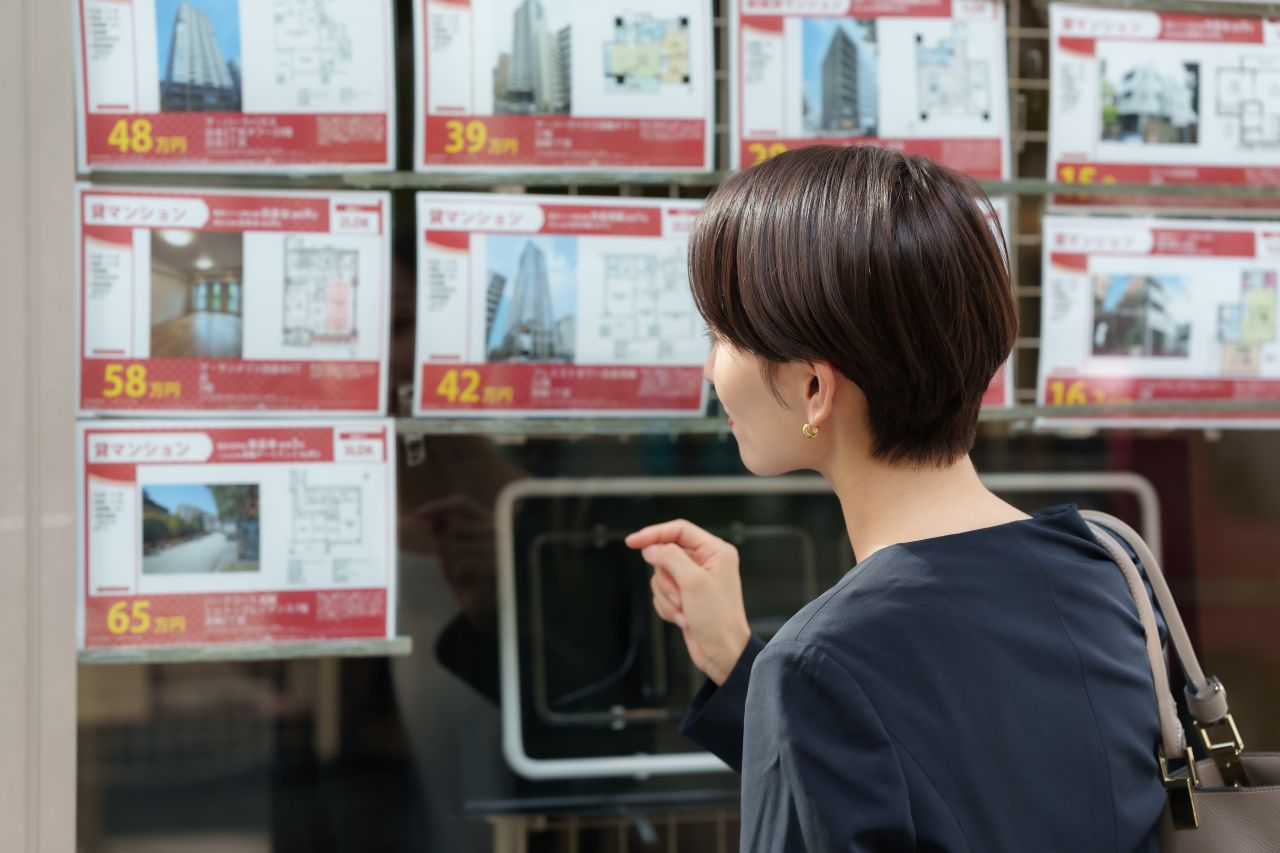
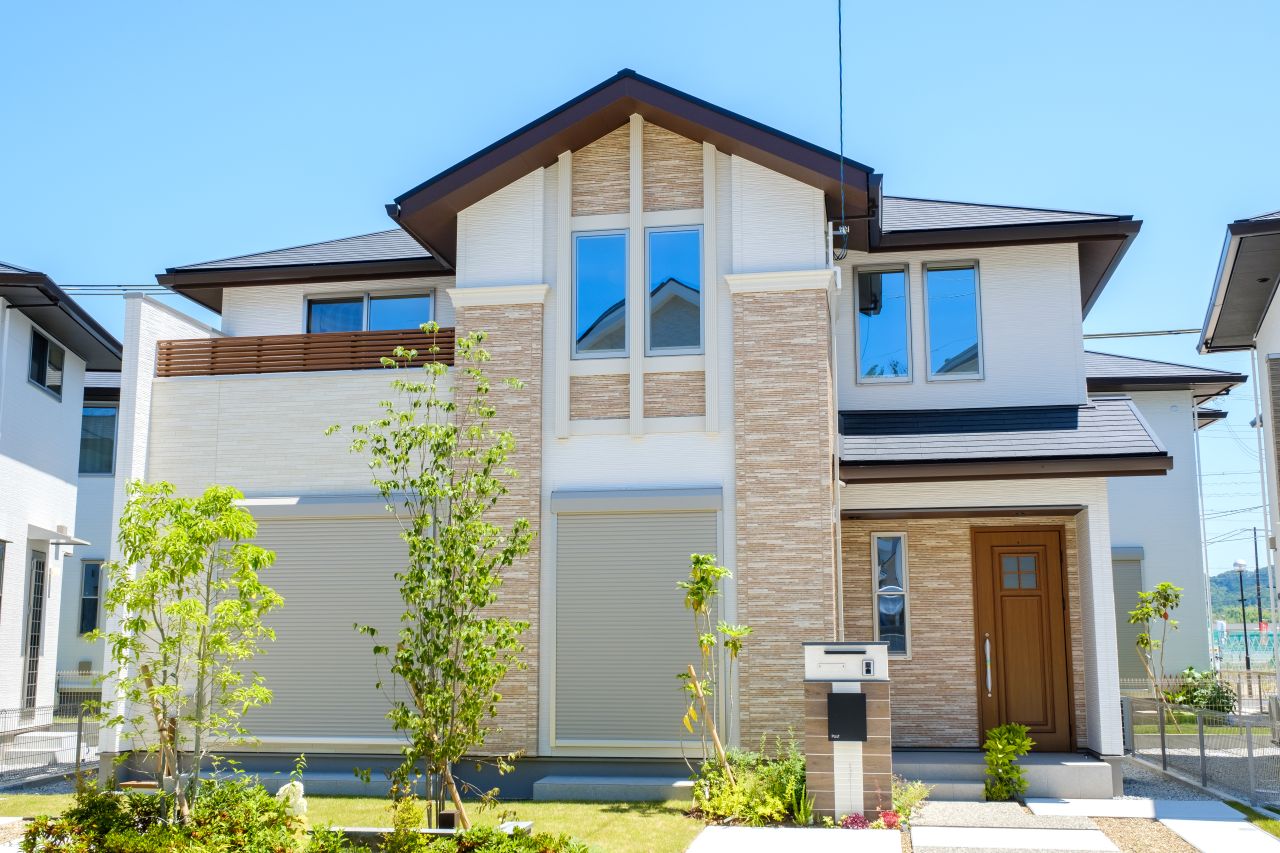
We’ve all seen the stories: “You can buy a house in Japan for the price of a car!!”. And, to a certain extent, it’s true – there are more than 13,000 houses listed for less than ¥1 million according to one site. But what are you really getting? And why would you pay, on average, ¥26 million for a detached house or ¥55.9 million for a new-build condo, when there are so many ‘akiyas’ sitting empty with tiny price tags?
This guide explains what houses really cost in Japan, why so many are currently empty, and what other costs you can expect to pay.
Average House Prices in Japan
| Property | Average Price |
|---|---|
| Detached house (pre-owned) | Around ¥26 million |
| Condominium (pre-owned) | ¥30.3 million |
| Developer-built new house | ¥38.3 million |
| Custom-built house with land | ¥50.1 million |
| New-build condominium | ¥55.9 million |
These figures come from the Japan Housing Finance Agency’s Flat 35 Mortgage Survey, so these numbers don’t include purchases paid in cash. The main takeaway from the survey is that location is everything – a new detached house in Tokyo can cost upward of ¥80-¥100 million. If you’re weighing up renting in the capital instead, our guide to the cost of living in Tokyo covers rent and monthly bills.
Akiya: What They Are, and Why There Are So Many
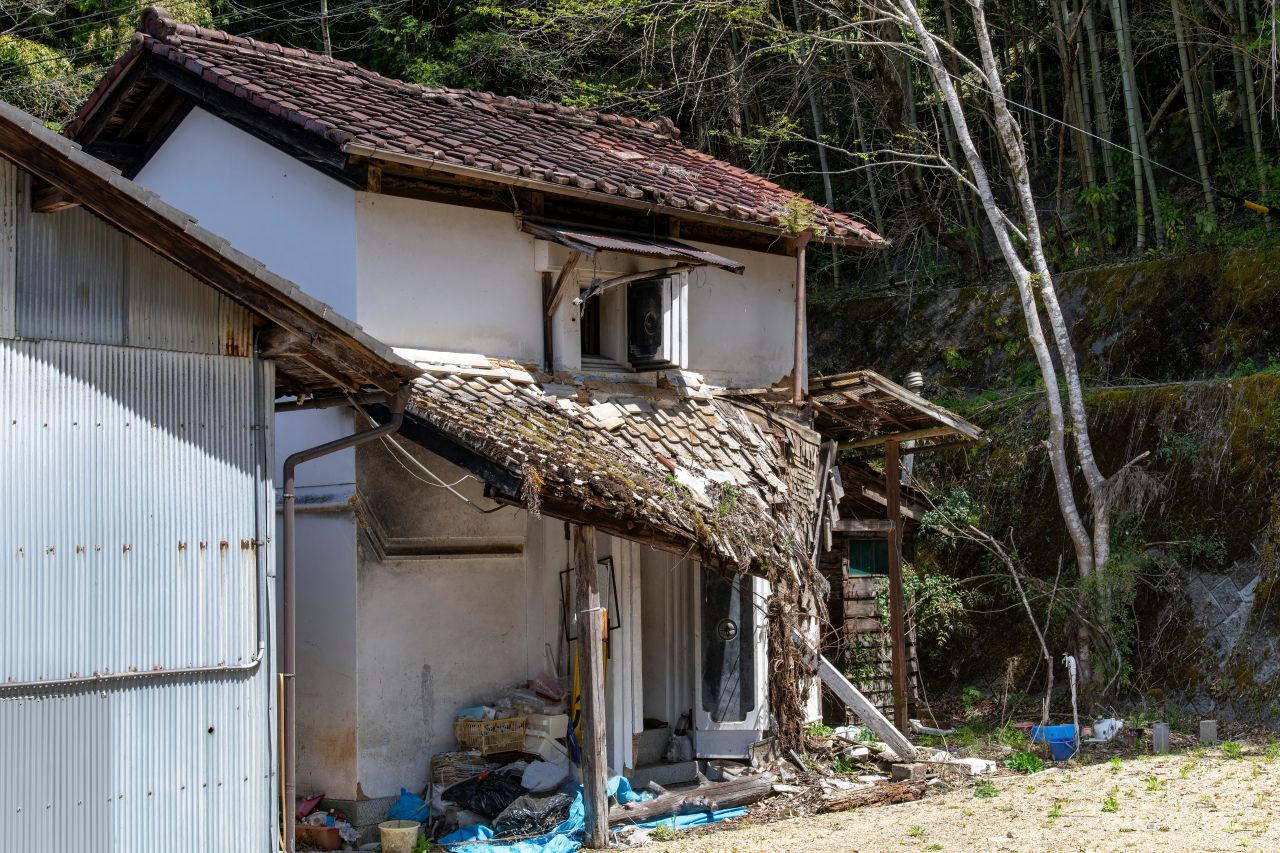
The word akiya simply means ’empty house’. According to the Japanese government’s Housing and Land Survey, there were just over 9 million of them in 2023, making up 13.8% of all housing – a record number. This is almost double what it was 30 years earlier in 1993.
Not every empty home is abandoned. About 4.4 million of the empty houses recorded were actually vacant rentals, and 384,000 of them were second or holiday homes. But, that still leaves over 3.8 million empty houses not being held for rent, for sale or even for occasional use.
The places where the highest proportion of properties are vacant tend to be rural areas, with Wakayama, Tokushima and Yamanashi topping the list. The highest number of empty homes is actually in Tokyo, but at 10.3% of its total housing, the vacancy rate is lower than the national average.
So why are akiyas so common? Well, it’s often simply for practical reasons. Demolition is very expensive, and cleared land faces a higher rate of property tax than land with a house on it, so keeping an empty house is often the cheapest option available.
The Real Cost of an Akiya
You might expect cheap empty properties to be snapped up by eager buyers rather than sitting vacant, so why isn’t that happening? Well, a cheap house to buy isn’t always a cheap house to renovate. In fact, the cost of doing the work needed to make an empty house a home typically ranges between ¥3.5 million and ¥20 million, depending on the starting condition of the property.
Buyers can also be caught out by other unexpected costs with akiyas in particular. If a property has been deemed by the local authority to be poorly managed, the owner is not entitled to a residential land tax break, which can make the payable fixed asset tax up to six times more expensive. As most foreign akiya buyers pay cash, there are substantial sums of money that need to be available in order to make an akiya a workable option for newcomers.
It can also take foreigners a surprising amount of time to find an empty property. Most Japanese municipalities run an ‘akiya bank’ which lists local empty houses, but despite this, research has shown that newcomers to rural Japan find it a real struggle to buy or rent houses despite the vacancies available.
Can Foreigners Buy a House in Japan?
Yes! Foreigners don’t need permanent residency to buy property in Japan, and there aren’t any akiya-specific restrictions on foreign ownership. If you’re living abroad at the time that you’re looking to purchase a house in Japan, you’ll need to name a ‘tax representative’ who is in Japan.
The more difficult part is financing. Without permanent residency, getting approved for a mortgage is very difficult, though not impossible. Lenders will also look at your income, so it helps to know how your salary compares with the minimum wage in Japan. If successful, expect to have to put up at least a 10% deposit when you sign the contract. After you buy, you’ll have to pay a fixed asset tax of 1.4% of the assessed value of the property every year, as well as a city planning tax of up to 0.3%.
Buying Costs and Taxes
If you’re looking to buy a house in Japan, you’ll need to budget around 6-7% of the purchase price for one-off costs. The main things are:
- Agent fee: this is capped at 3% of the property price plus ¥60,000, plus tax
- Registration tax: usually about 1.5% of the property’s assessed value
- Acquisition tax: around 3% of the assessed value, charged 3-6 months after the purchase
After you complete your purchase, you’ll be liable for an annual fixed asset tax of 1.4% of the property’s assessed value, plus a city planning tax of up to 0.3%. Remember that these are calculated on assessed value, not the price that you’ve paid for the house, and these are usually a little below market prices.
Always Look Past the Headline Price
Japan has millions of empty homes, and in some cases they do sell for less than ¥1 million. But, for most buyers, it’s much more realistic to expect to pay more like ¥26 million plus 6-7% in buying costs and annual property taxes. If you’re planning on moving to Japan and buying a property later, check out our Moving to Japan guide, and our Cost of Living Guide to help you find your feet!