Moving to Japan in 2026: Costs, Visas and the Steps in the Right Order
Moving to Japan works a bit like an old-school video game. You complete a series of steps in the right order, and each one unlocks the next, like beating a level. Doing things out of order rarely works in Japan. Most banks, for example, want a registered address and a Japanese phone number, and an overseas number won’t pass their verification. Take the steps out of order and you’ll spend days going back and forth between offices.
So, how do you find level 1? Here are the steps in order, with the costs to budget for along the way.
Step 1: Get the Right Visa
First, you need permission to live in Japan. The right visa depends on what you’ll do there: work, study, join family or another permitted activity. When you arrive, you’ll receive a residence card that shows that activity.
Remote workers and working tourists have two other options: the Digital Nomad Visa and the Working Holiday Visa. Whichever visa you choose, check what daily life will cost you first: our guide Is Japan Expensive? breaks it down.
Step 2: Budget for the Move
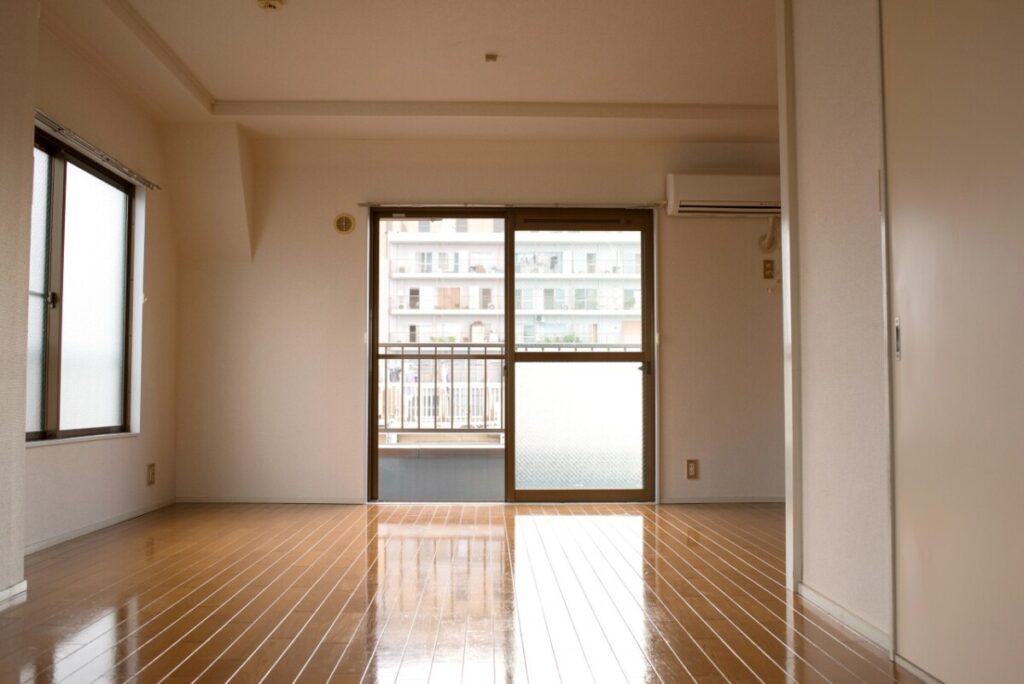
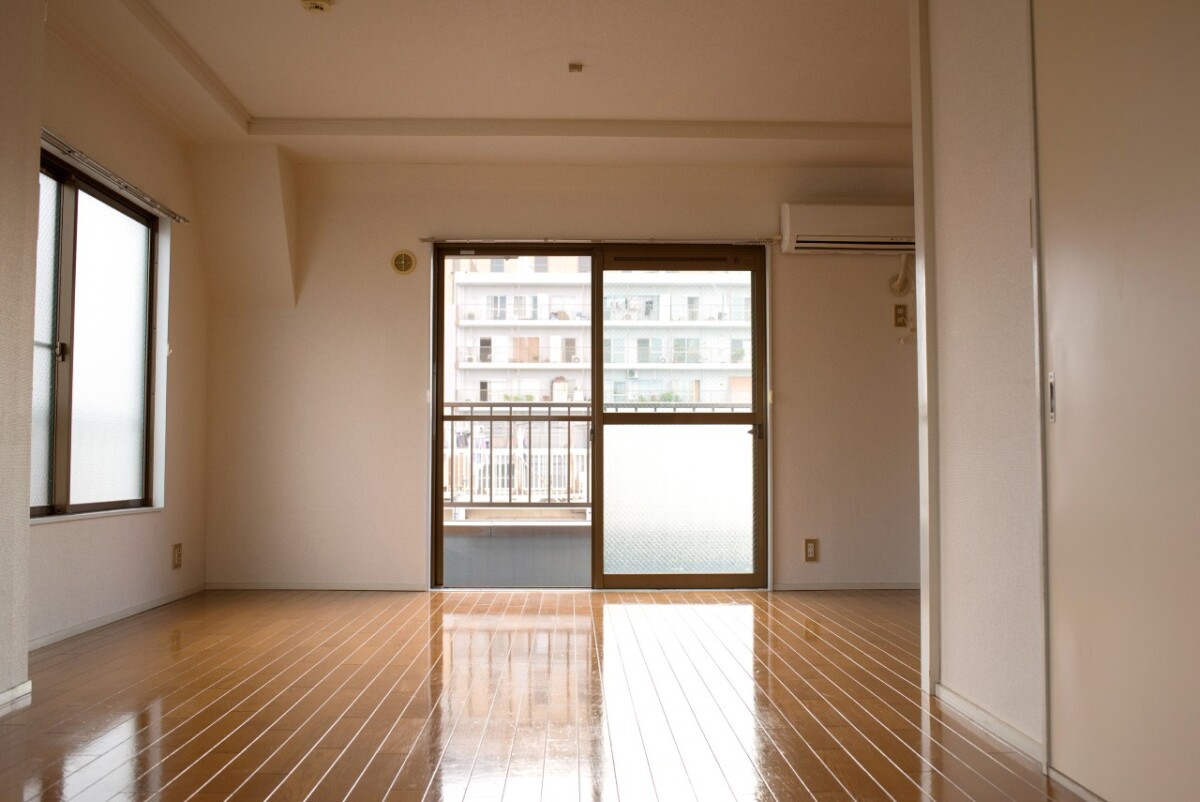
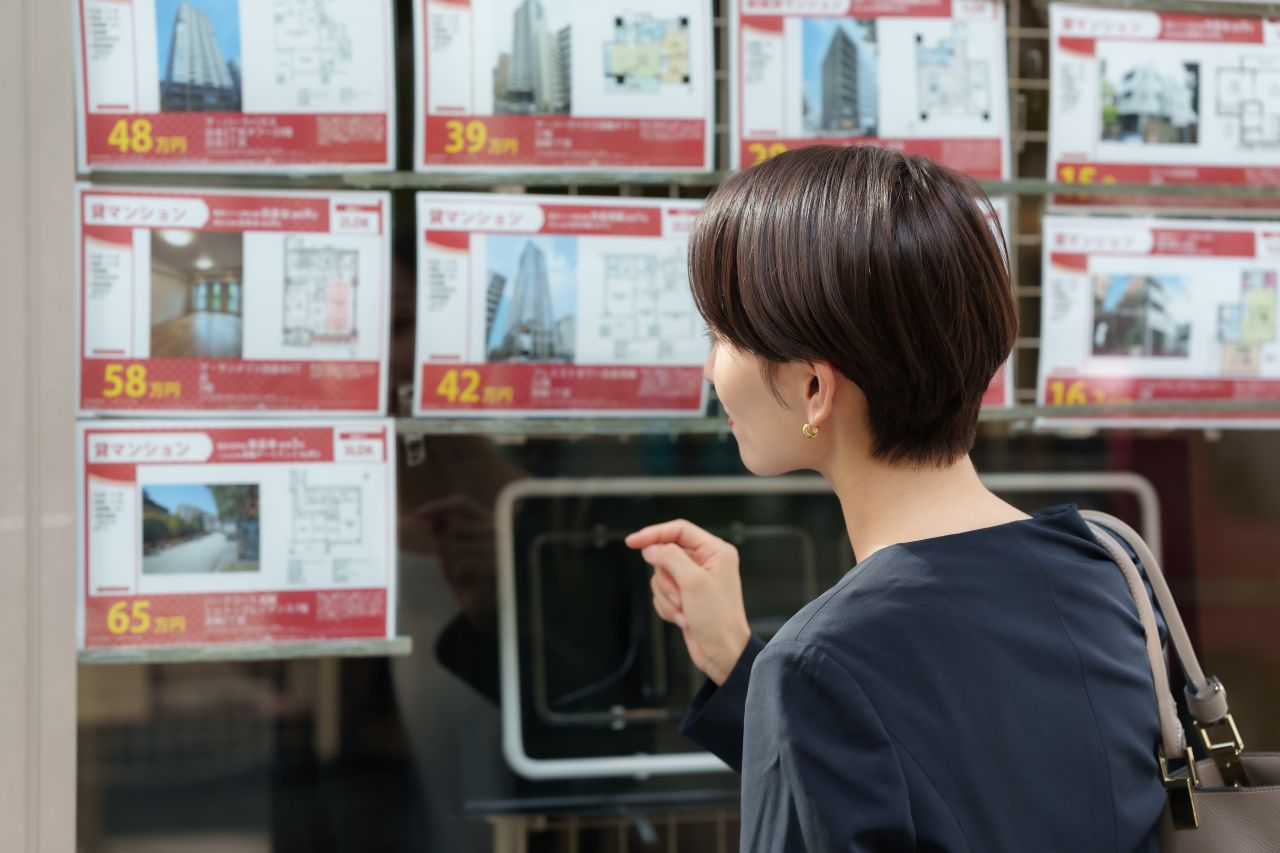
Housing is likely to be your biggest upfront cost. Standard rentals usually ask for four to six months’ rent in advance, so a ¥100,000-a-month apartment could cost you ¥600,000 before you get the keys.
Here’s where that money goes:
- Key money (reikin): 0 to 2 months’ rent, a non-refundable payment to the landlord.
- Deposit (shikikin): 1 to 2 months’ rent, partly refunded when you leave.
- Agent fee: 1 month’s rent plus tax.
- Guarantor company fee: usually 50% to 100% of 1 month’s rent. Most newcomers to Japan don’t have a personal guarantor, so you’ll need a guarantor company instead.
You can avoid some of these costs. Many foreigner-friendly landlords and share houses, such as Oakhouse, UR Housing and Leopalace21, no longer charge key money.
Your first budget needs to cover this, plus flights and enough to live on for your first few weeks in Japan. Our Cost of Living Guide has the benchmark figures you need to build a realistic budget.
Step 3: Arrive and Collect Your Residence Card
If you’re staying longer than three months, you’ll get a residence card, and by law you must carry it at all times. If you fly into Narita, Haneda, Chubu Centrair, Kansai, New Chitose, Hiroshima or Fukuoka, Immigration hands it to you at the airport.
If you land anywhere else, you’ll get an Issuance Notice instead, and the card arrives by post within one or two weeks of registering your address.
Step 4: Move In and Register Your Address
Once you have somewhere to live, go to your city hall or ward office to register your address. You have 14 days from moving in to do this, and missing the deadline can put you in breach of immigration law.
Registering your address unlocks the next steps. The office adds your address to your residence card and sends you a notice of your My Number, a unique personal ID number for tax, social security and some other government procedures. Since 14 June 2026, you can choose to combine both cards into a single card.
If you start in a share house or a furnished monthly apartment while you look for somewhere permanent, check that the landlord lets you register it as your address.
Step 5: Get a Japanese Phone Number
Japanese law requires a provider to verify your ID and address before it issues you a Japanese phone number. With your residence card in hand, you can now pass that check. You need the number before the next step, because banks send verification codes by SMS and won’t accept foreign numbers.
A long-stay Japan SIM with a Japanese number solves this. For more on how they work, read our Japanese Phone Number guide.
Step 6: Open a Bank Account
You’ll need a Japanese bank account to receive a salary and pay your utility bills. Opening one as a newcomer is hard, because many banks turn away anyone who has lived in Japan for less than six months.
For most people, the answer is Japan Post Bank. It doesn’t usually reject newcomers and will generally accept you as long as you have at least three months left on your visa. Take your residence card, passport and new Japanese phone number to your local branch. A My Number card is optional, but it can speed up verification.
First Month Checklist
- Collect your residence card or Issuance Notice at the airport, and keep it on you.
- Move into housing, even if it’s temporary.
- Register your address within 14 days of moving in.
- Get a Japanese SIM with a phone number.
- Open a bank account, starting with Japan Post Bank.
- Set up rent and utility payments from that account, and give your employer your bank details so you can get paid.
Do It in Order
Moving to Japan is manageable as long as you beat each level in the right order. The game starts with your visa and ends with a Japanese bank account. Before you go, work out your first month’s budget and plan how you’ll get your Japanese phone number. Get those two right and each step unlocks the next.