Tax-Free Shopping in Japan and Other Visitor Taxes
Two changes in 2026 reset the rules for visitors to Japan. On 1 July, the departure tax tripled to ¥3,000. On 1 November, tax-free shopping becomes a refund: you pay the full price in the shop and claim the tax back before you fly home. This guide covers every tax you meet as a visitor and what to do about each one.
Taxes at a glance
| Tax | Rate or amount | How you pay |
|---|---|---|
| Consumption tax | 10%, or 8% on most takeaway food | Included in shelf prices |
| Tax-free shopping | ¥5,000 minimum per store per day | Refund at departure from 1 November 2026 |
| Departure tax | ¥3,000 per departure | Built into your ticket |
| Hotel tax | ¥100 to ¥1,000 per night in most cities | Added to your hotel bill |
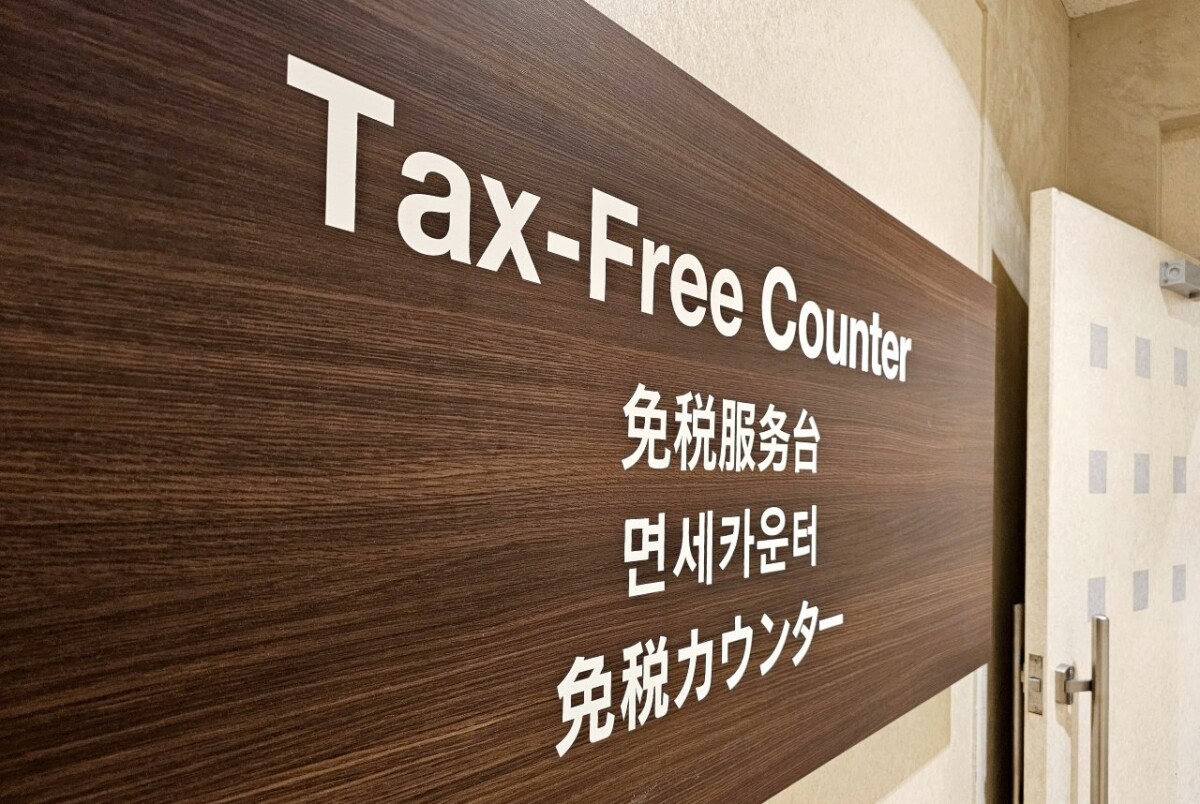
Tax-free shopping from 1 November 2026
Until 31 October, eligible visitors skip the 10% consumption tax at the till. From 1 November 2026, you pay the full tax-inclusive price and apply for a refund when you leave Japan.
The ¥5,000 threshold stays. You still need to spend at least ¥5,000 before tax, per store, per day, and some online guides wrongly say the minimum is going. The separate consumables category and its lower cap disappear, and there is no upper yen limit, though you can only claim for goods you carry out of Japan yourself.
At the till, show your passport with its landing-permission stamp or sticker, or a Visit Japan Web tax-free QR code. The shop sends your purchase record to the National Tax Agency electronically. The old sealed bags go away, but you still cannot claim for goods you use up in Japan.
Claiming your refund at the airport
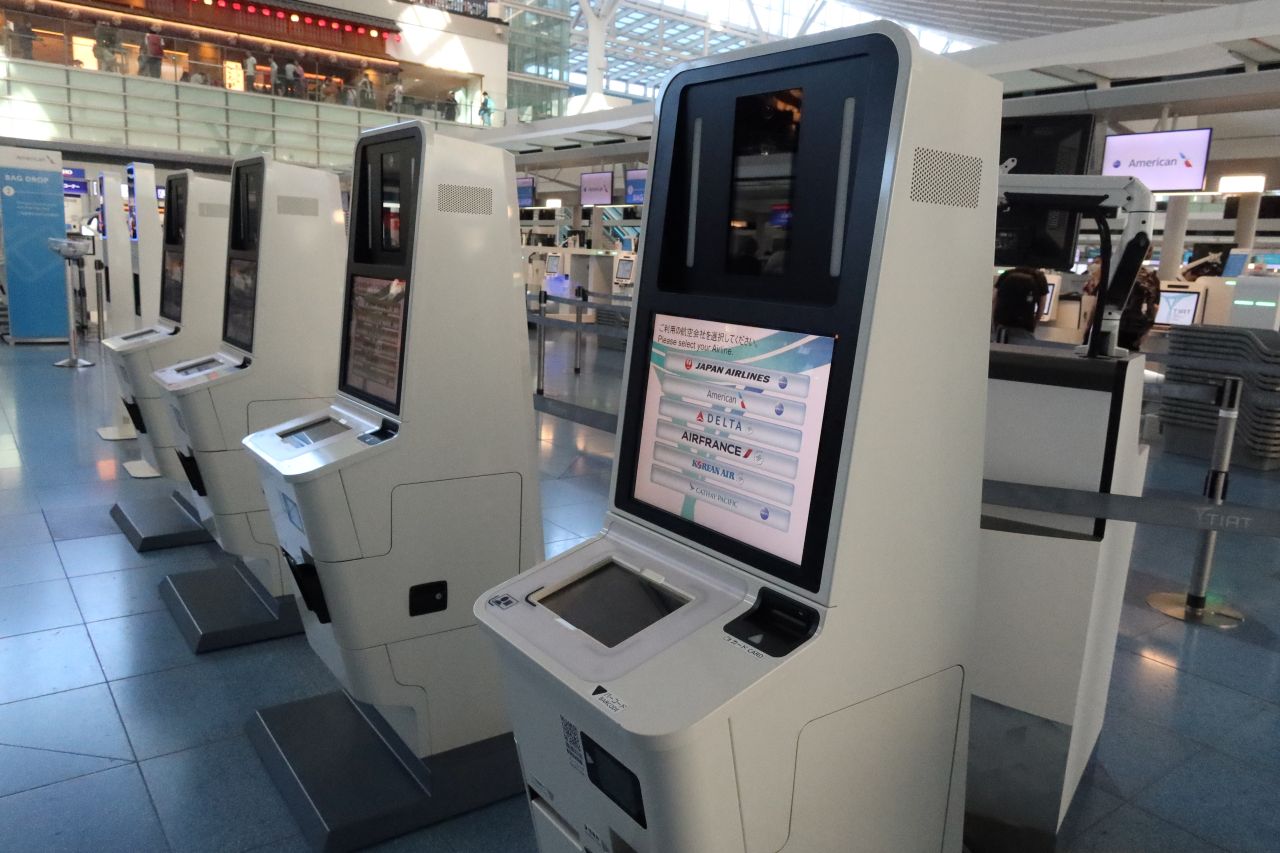
Japan Customs confirms your export at kiosks in the departure lobby, before you check your bags. Take your purchases with you to the kiosk, because customs may ask to inspect them.
You have 90 days from purchase to get customs confirmation. After that, the shop or its refund provider pays the tax back to you, and some may deduct a fee. Ask each shop how it pays refunds when you buy, and keep every receipt.
Leave extra time at the airport for the kiosk queue, especially if you shopped in several stores.
Consumption tax: 10% and 8%
Prices on tags and menus in Japan include consumption tax, so the price you see is the price you pay. The rate depends on what you buy and where you eat it. Takeaway food and soft drinks carry 8%, eating in carries 10%, and alcohol is always 10%. That is why a café or convenience store asks whether you will eat in. Our guide to food prices in Japan shows what you can expect to pay for a meal.
A further change may come in 2027. The Cabinet approved an outline to cut tax on qualifying food to 1% from April 2027 to March 2029, with restaurant meals staying at 10%. The Diet still has to pass it.
Departure tax
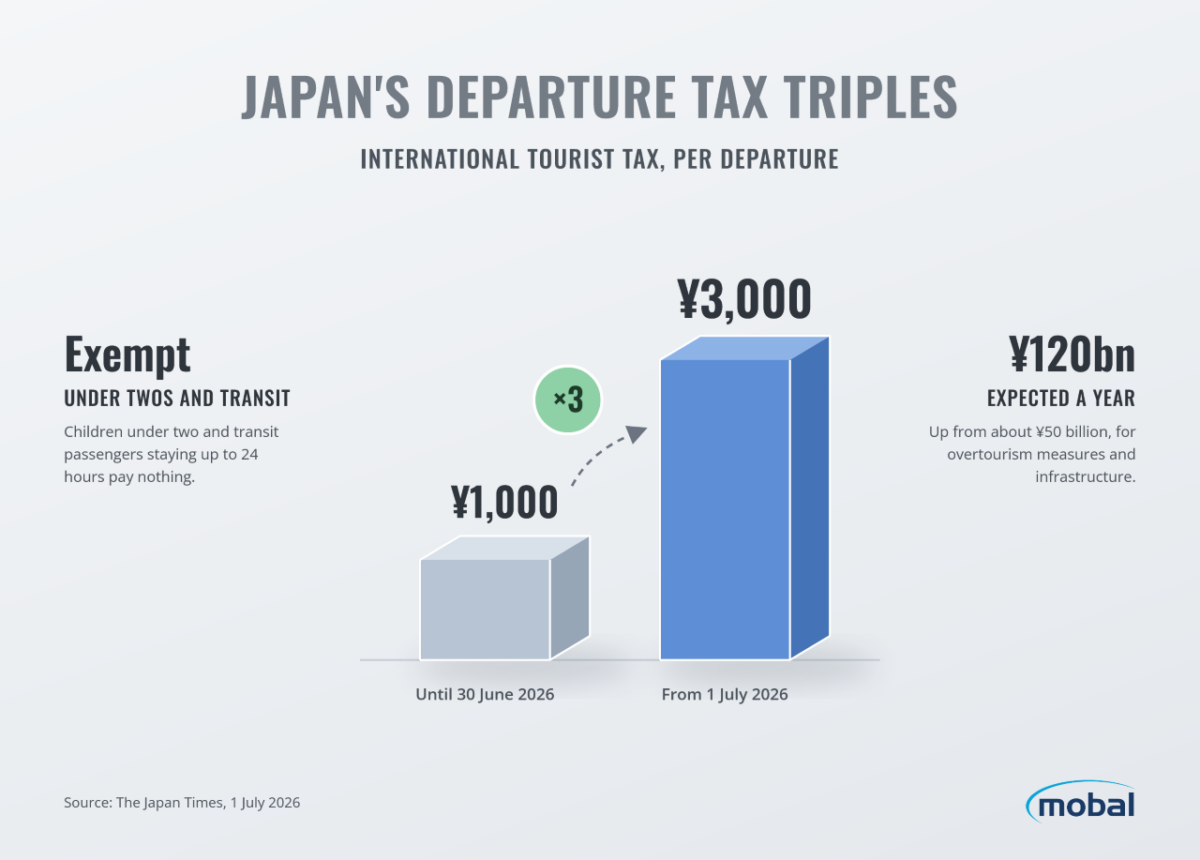
Everyone leaving Japan by air or sea pays the International Tourist Tax, whatever their nationality. It rose from ¥1,000 to ¥3,000 on 1 July 2026, and airlines and cruise lines build it into your ticket, so you pay nothing extra at the airport.
If you bought your ticket early, check the issue date: tickets issued on or before 30 June 2026 can keep the old ¥1,000 rate. Children under two and transit passengers staying up to 24 hours are exempt.
The government expects the higher rate to lift revenue from about ¥50 billion to about ¥120 billion a year, and it plans to spend the money on overtourism measures and infrastructure.
Hotel taxes
Japan has no national hotel tax, but several cities charge their own, usually ¥100 to ¥1,000 per person per night. Kyoto’s rates reach ¥10,000 a night at the top end. Your hotel adds it to the bill.
Budget for the tax, then claim it back
For a trip after 1 November 2026, pay full price when you shop, keep your receipts and passport handy, and leave time for the customs kiosk before check-in. Your ticket already includes the ¥3,000 departure tax. Plan the rest of your spending with our guides to money in Japan and whether Japan is expensive.