How Much Is a Meal in Japan? Food Prices
Japan has no such thing as an ‘average’ meal. You might picture a Sukiya beef bowl for as little as ¥450, or high-end sushi at ¥20,000 or more. Your food budget depends on which of those experiences you want.
Prices may also have changed since your last visit. Convenience store rice balls, for example, now cost double what they did a few years ago.
Public price data takes most of the guesswork out of planning, and the figures below show what different types of meal cost in Japan.
Food Prices at a Glance
| Meal | Typical price | Budget level |
|---|---|---|
| Convenience store or supermarket takeaway | Under ¥1,000 | Budget |
| Chain beef bowl (gyudon), regular size | ¥450–¥590 | Budget |
| Bowl of shoyu ramen (national average) | ¥736 | Budget |
| Family restaurant meal | ¥1,500–¥2,000 pp | Mid-range |
| Conveyor-belt sushi, full meal | About ¥2,000 | Mid-range |
| Izakaya food and drink | About ¥3,000 | Mid-range |
| Sushi restaurant, per person | ¥2,000 to ¥20,000+ | Splurge |
Convenience Stores and Supermarkets
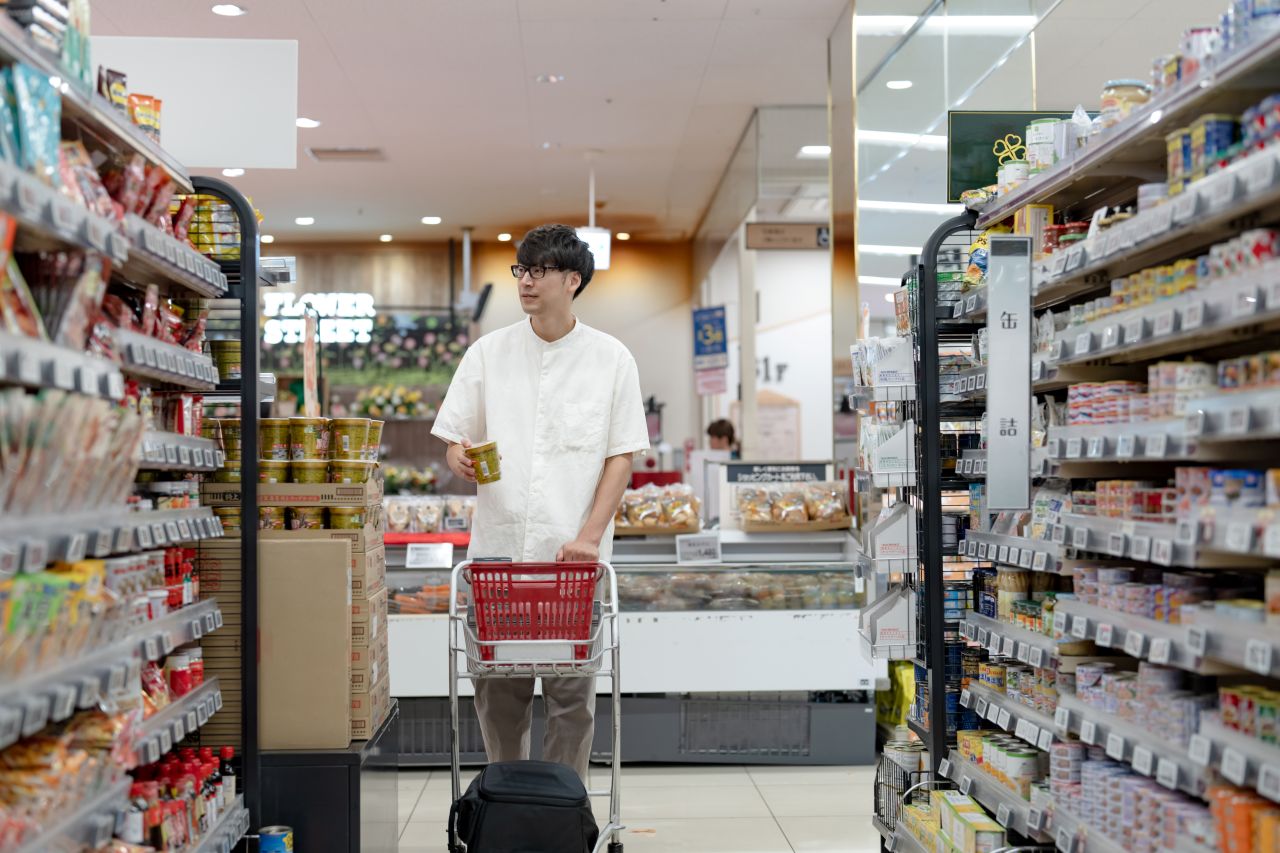
Convenience stores fill you up quickly and cheaply, though they cost a little more than they used to. Rice prices have risen in recent years, pushing onigiri (rice balls) to roughly double their price of a few years ago. A salmon or mentaiko onigiri from 7-Eleven now costs ¥214 after tax (as of September 2026), so it still won’t break the bank. In April, Lawson brought five onigiri varieties back down to ¥100 each, so head there for the lowest prices.
For a full meal, a convenience store or supermarket bento usually costs less than ¥1,000.
How Much Is Ramen in Japan?
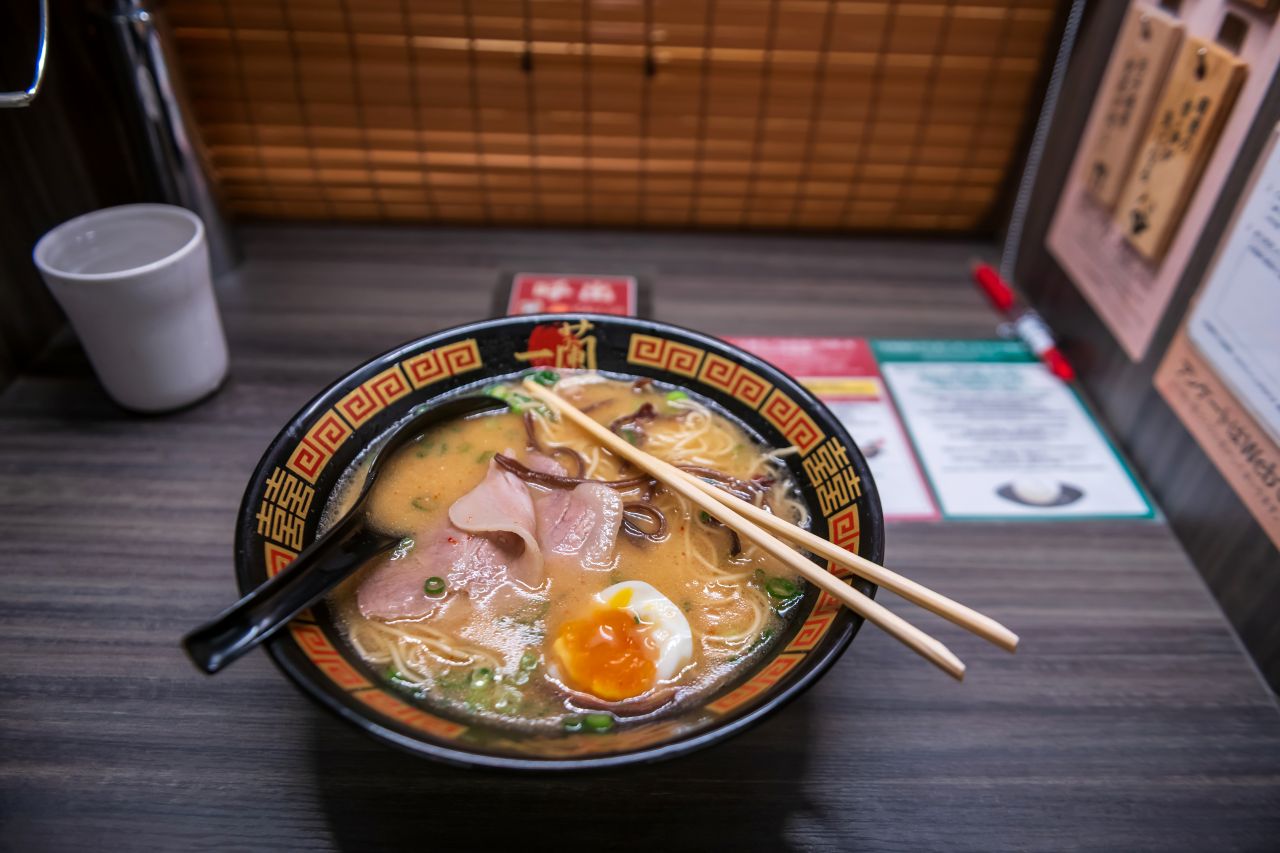
Ramen is one of Japan’s most iconic dishes and one of its best-value meals. The Japanese government’s Retail Price Survey put the average dine-in bowl of shoyu ramen at ¥736 in March 2026. That’s the highest it’s been in recent years, but still less than a Happy Meal in the US.
In Tokyo, the same bowl costs less than the national average, at ¥610. You’ll pay more in Kyoto, Nagasaki or Hakodate.
Beef Bowls and Set Meals
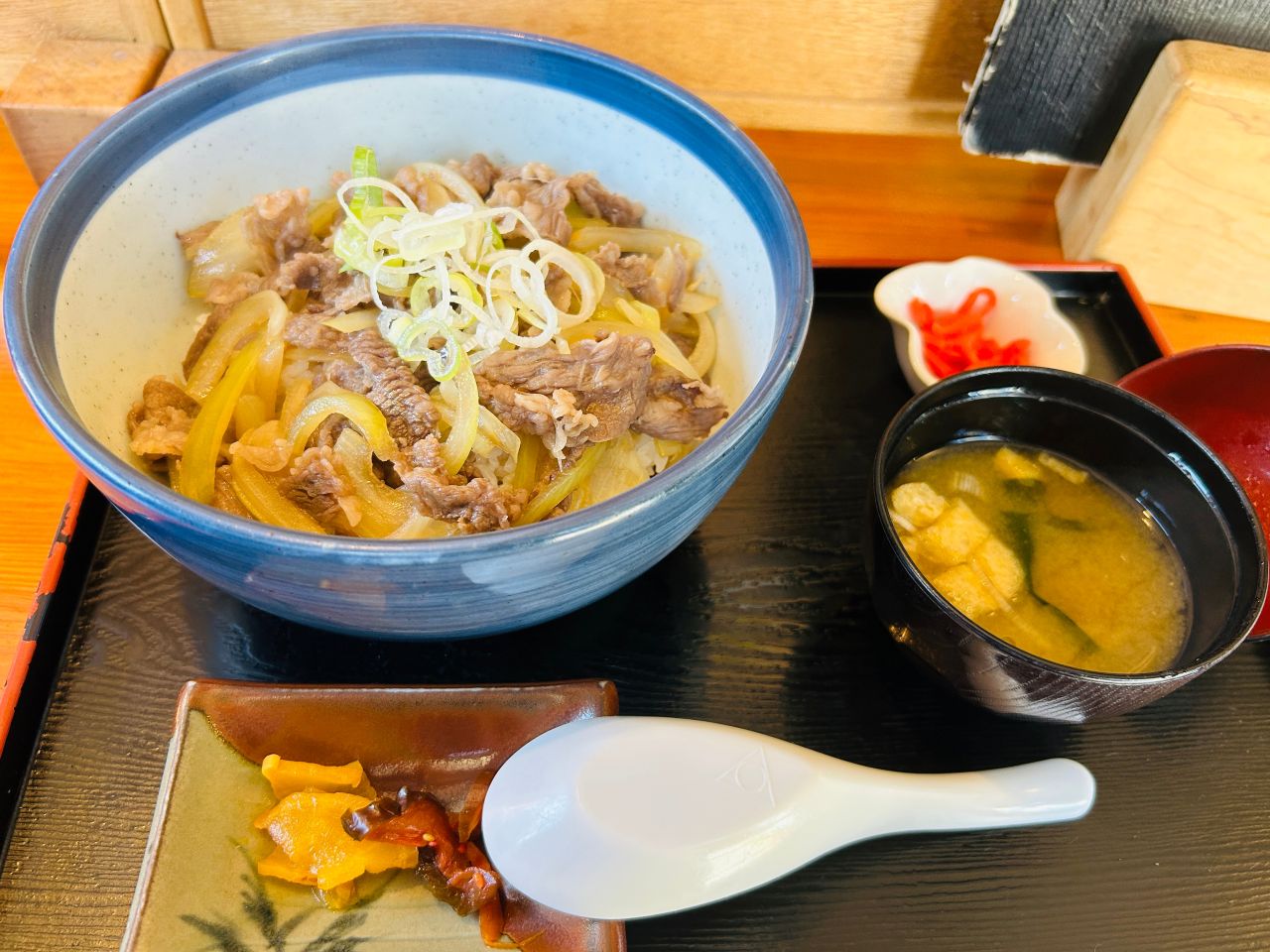
The big gyudon chains serve the cheapest hot meals in Japan. A regular beef bowl costs ¥450 at Sukiya and ¥590 at Yoshinoya, tax included. At Sukiya, a set with miso soup and salad costs ¥600.
The time you eat makes a difference, though. Sukiya adds a 7% charge to bills between 10pm and 5am. Set meals (teishoku) cost more, at ¥1,000 to ¥1,500, and Western-style burger sets can cost a little more too. At a family restaurant, expect to pay around ¥1,500 to ¥2,000 per person.
Sushi, Izakaya and Eating Out in the Evening
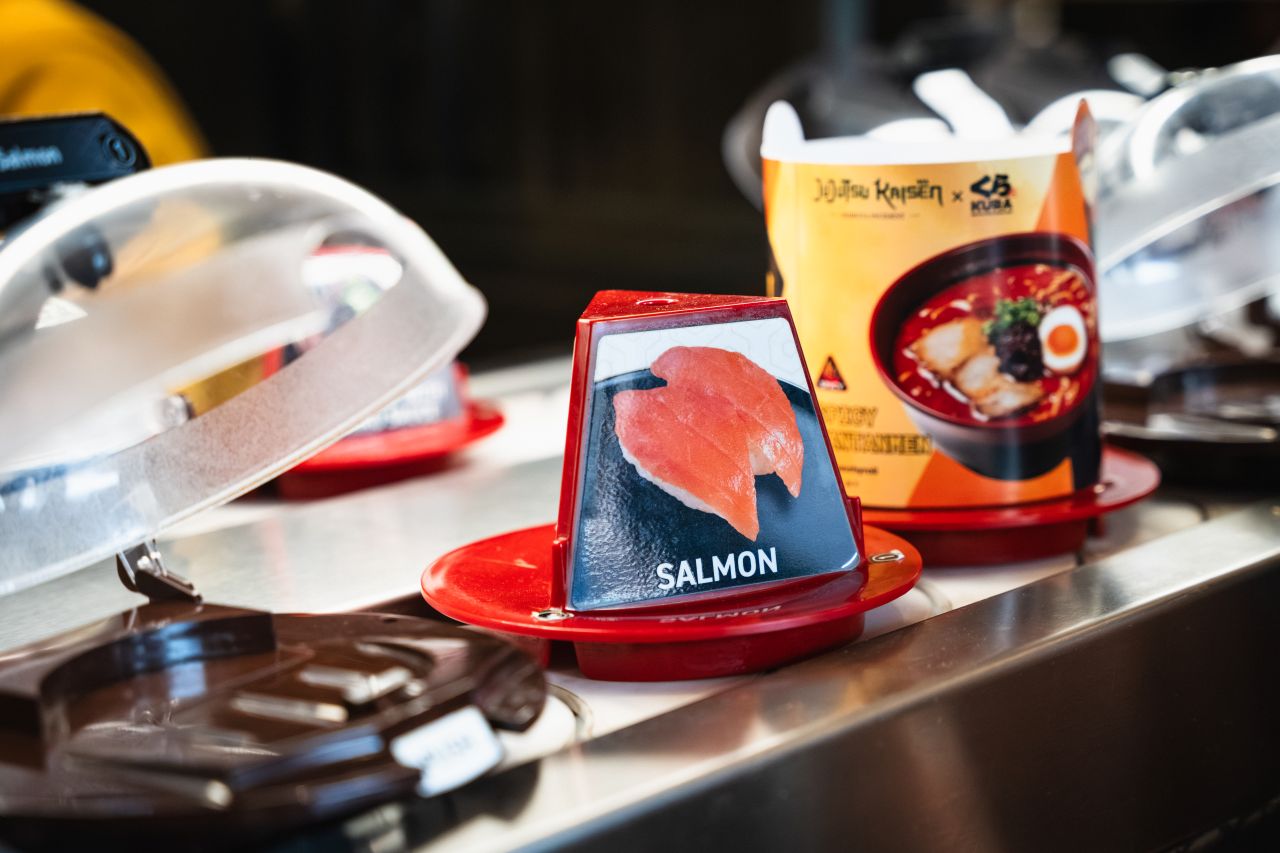
A full meal at a conveyor-belt sushi restaurant costs about ¥2,000, which is the cheaper end. At top-end sushi counters, the bill can reach ten times that, often over ¥20,000. Plenty of restaurants sit between those two extremes, and a little research will show you what to expect at any given place.
An evening at an izakaya, a Japanese pub that serves small plates and drinks, costs about ¥3,000 for food and a drink or two. Yakiniku and wagyu restaurants start at about the same level.
Tax on Your Food Bill
Menu prices and price tags in Japan include consumption tax, so you won’t get a surprise at the till. The rate depends on where you eat: takeaway food and soft drinks carry 8% tax, while eat-in meals carry 10%. Alcohol carries 10% whether you eat in or take it away. That’s why cafés and convenience stores ask whether you’re eating in.
The rules may change. In April 2026, the government approved a plan to cut tax on some food items to 1% from April 2027 to March 2029, with restaurant meals staying at 10%. The plan hasn’t passed into law yet, so it may still change.
A Daily Food Budget
On a tight budget, a day of food could look like this: an onigiri for breakfast at ¥214, a Sukiya beef bowl for lunch at ¥450 and an average bowl of ramen for dinner at ¥736. That brings your daily total to ¥1,400, roughly $9 at the late-September rate of about ¥158 to the dollar.
With about ¥5,000 a day, you can have a family restaurant lunch at ¥1,500 to ¥2,000 and an evening at an izakaya for about ¥3,000. Add a little more for snacks and coffee. If you want dinner at a high-end sushi counter, set extra money aside, as the bill depends on the restaurant.
Eat Well Without Overspending
A meal in Japan can cost a few hundred yen at a beef bowl chain, or your whole budget at a high-end sushi counter. Once you know what you want to spend on food, keeping to a budget is straightforward. Chains and ramen shops keep you to around ¥1,400 a day, and ¥5,000 opens up family restaurants and izakaya evenings.
For more ways to stretch your budget, read our guide Is Japan Expensive? And get a Japan eSIM ready before you fly, so you have maps and translation apps from the moment you land.