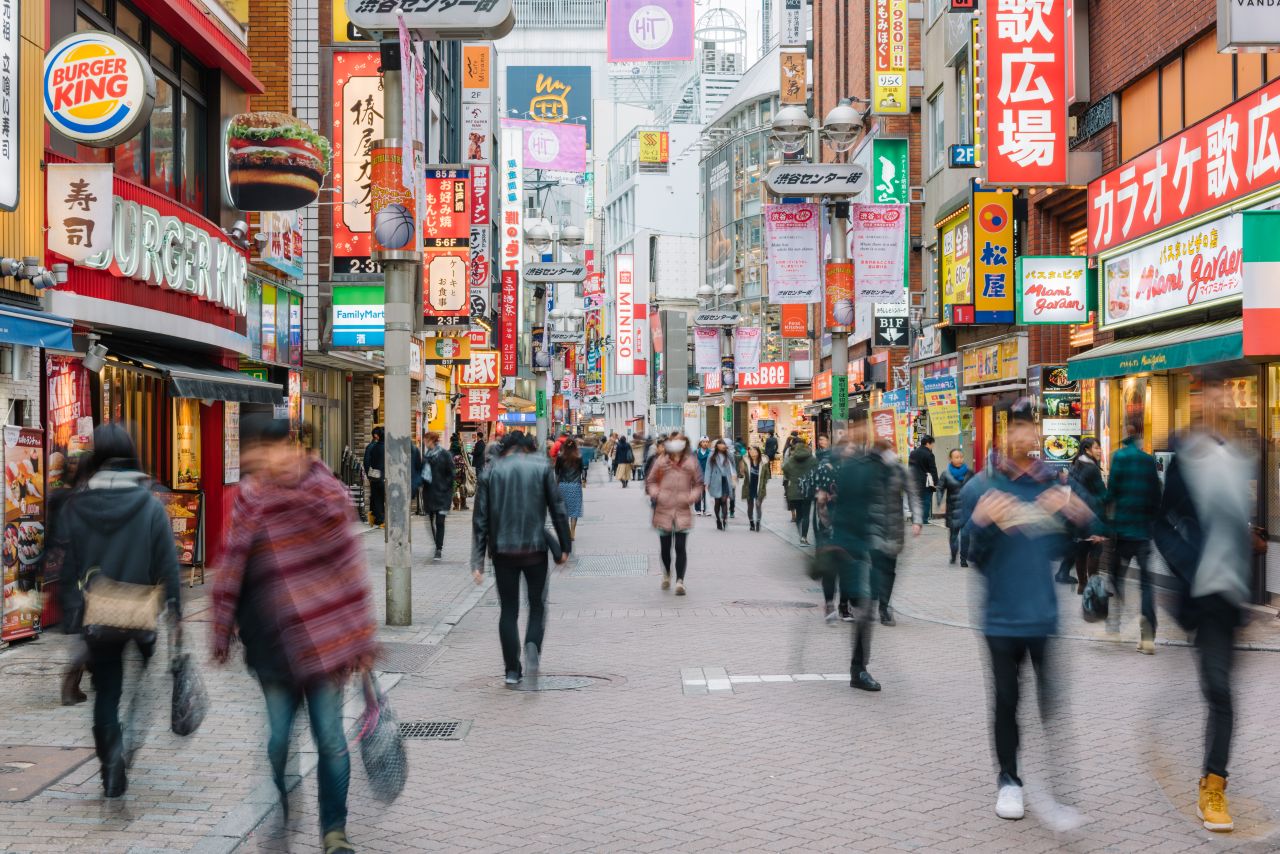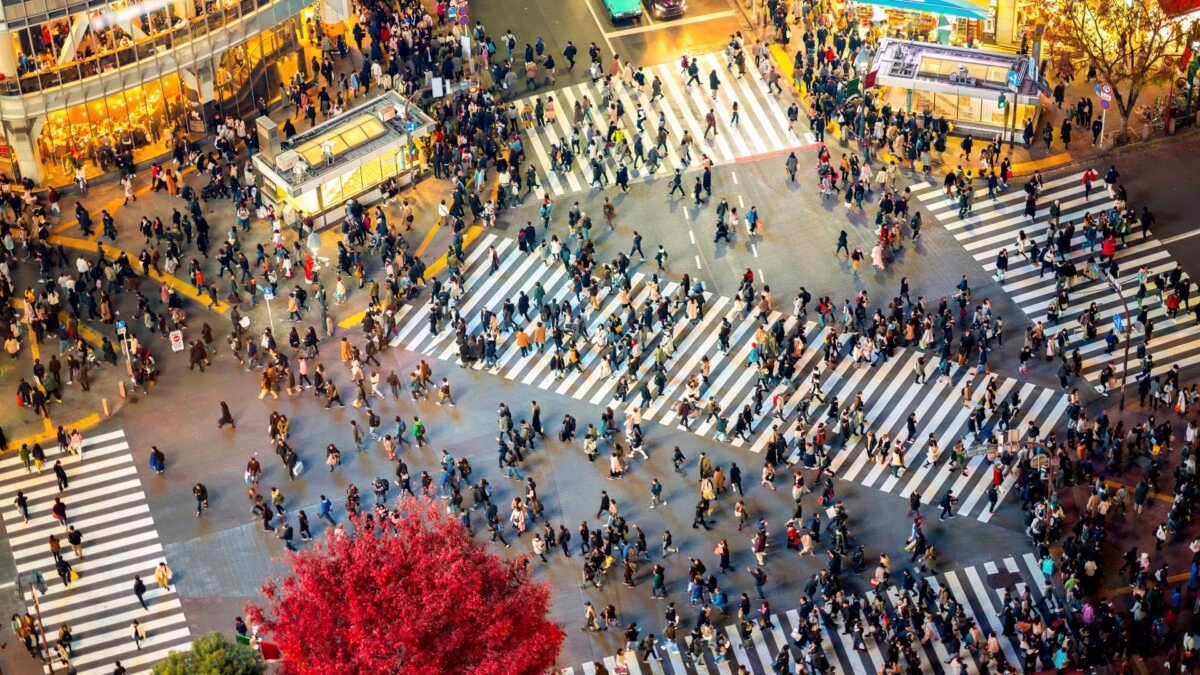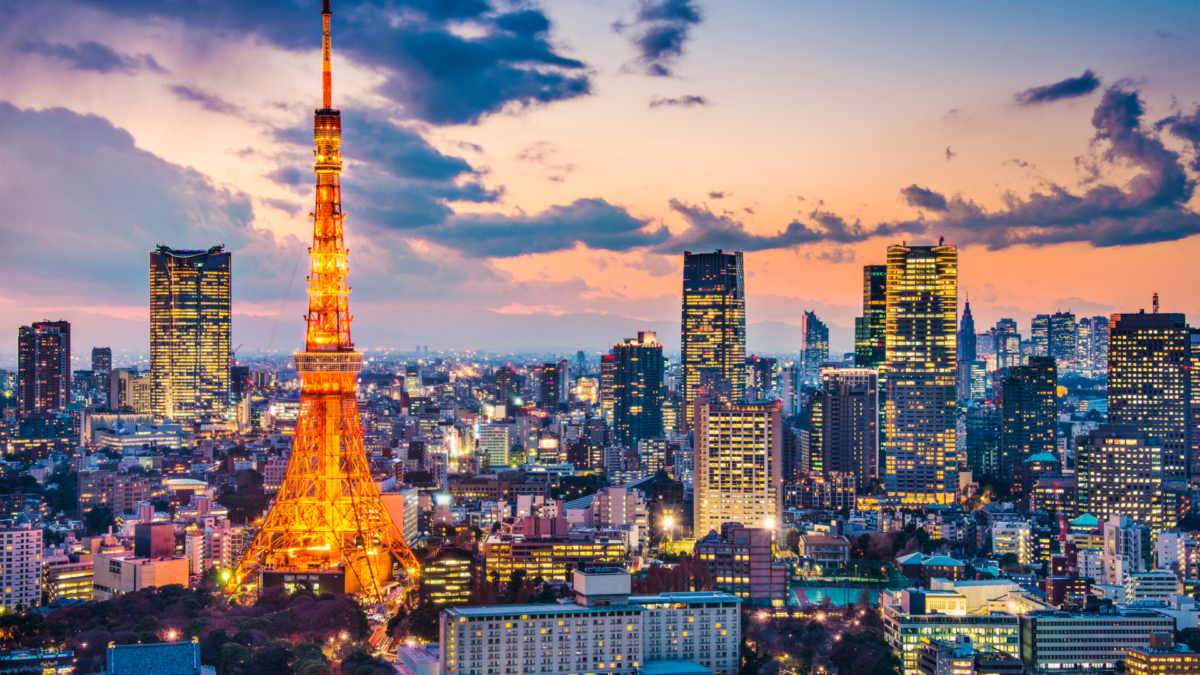
Thinking about moving to Japan but not sure where to start? Each year, thousands of people from around the world make the leap and begin a new life in Japan. The best places to live in Japan vary from the dynamic cities of the Golden Triangle to peaceful regional hubs and countryside communities; the country offers a diverse range of places to live, each with its own unique character, opportunities, and lifestyle benefits.
Created by a team of expats and Japan experts, this guide explores the best places to live in Japan in 2026. Whether you’re prioritising career opportunities, affordability, family life, cultural experiences, or access to nature, we’ll help you find the best place to live in Japan that matches your lifestyle, budget, and long-term goals.
Contents:
- Why Live in Japan?
- Best places to live in Japan. Quick Cheat Sheet
- Quick Cheat Sheet – Personality type
- Quick Cheat Sheet – Expenses
- Best places to live in Japan:
- Osaka,
- Fukuoka,
- Kyoto,
- Nagoya,
- Sapporo,
- Yokohama,
- Sendai
- Quick Cheat Sheet – Overview
- Cost of Living Comparison
- Best Places To Live in Japan: Town Edition
- Best Liveable Towns in Japan
- Insurance, Rentals & Moving
- Which visa do you need?
- Moving to Japan Podcast
- Useful sources
- Where will you live in Japan?
Why Live in Japan?
The best places to live in Japan as a foreigner can vary depending on the person moving there. Are you a city person, chasing the neon lights, busy streets, and a booming job market? Or are you seeking a mountain escape, enriched with ancient history and authentic living?
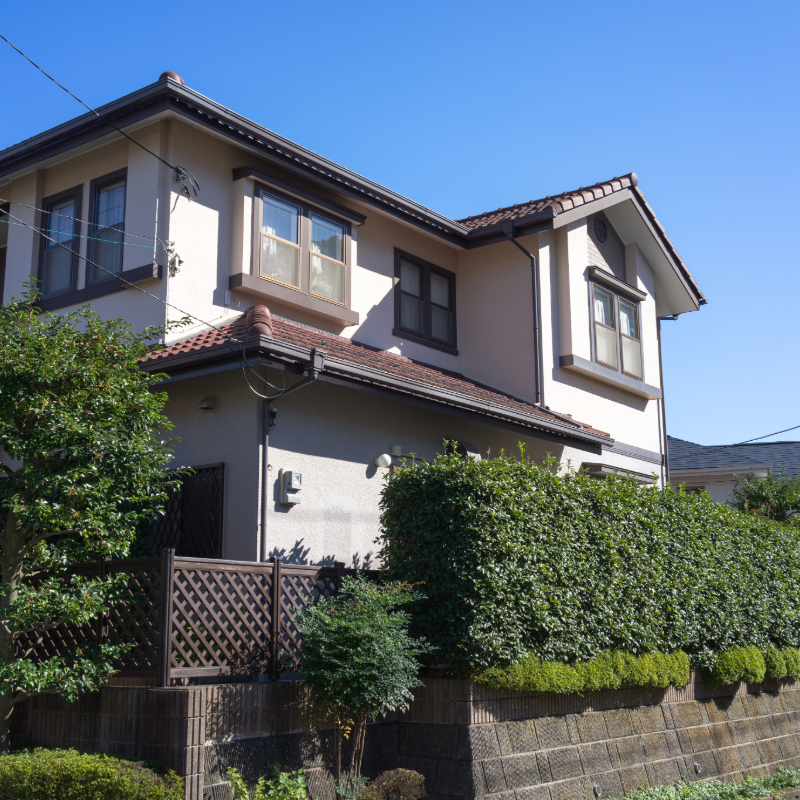
Japan consistently ranks among the world’s safest, cleanest, and most efficient countries. Reliable public transportation, universal healthcare, strong education, and excellent infrastructure make it attractive for foreigners planning a long-term move.
For many residents, the decision comes down to:
- Career opportunities
- International schools
- Cost of living
- Access to airports
- English support services
- Community and lifestyle preferences
You may already be planning your move to Japan, or simply exploring your options and wondering whether life in the Land of the Rising Sun is right for you. Either way, we’re here to help you find the best places to live in Japan, whether you’re an American, another foreign national, a student, a remote worker, or someone considering a short-term or long-term stay.
Drawing on the experiences of expats and Japan experts, this guide explores the best places to live in Japan based on lifestyle, career opportunities, budget, and personal preferences. Whether you’re deciding if Japan is the right fit for you or trying to narrow down where to settle, we’ll help you discover which of the best places to live in Japan matches your goals and circumstances.
Japan Yen to USD Conversion Table (Approx.)
As you research your move to Japan, you’ll quickly notice that many prices, salaries, and living expenses are listed in Japanese yen (¥). If you’re still planning your relocation, however, you may not yet have a Japanese bank account or be familiar with the value of the currency in real-world terms.
To make it easier to compare costs and understand what everyday expenses look like, we’ve included a simple currency conversion guide below. Use it as a reference throughout this article to help translate yen amounts into a more familiar currency and better understand the cost of living in Japan.
Japanese Yen | Approx. USD |
¥10,000 | $68 |
¥25,000 | $170 |
¥50,000 | $340 |
¥100,000 | $680 |
¥250,000 | $1,700 |
¥500,000 | $3,400 |
Exchange rates fluctuate daily.
Best places to live in Japan Quick Cheat Sheet
In a rush?
To make things simple, the table below breaks down the cities outside of Tokyo, which we think are best suited to different lifestyles and the typical cost of living you can expect in each.
Expenses
City | Best For | Cost | Foreigner Friendly |
Osaka | Professionals | $$ | High |
Fukuoka | Startups & Remote Workers | $ | High |
Kyoto | Students & Culture Lovers | $$ | Medium |
Nagoya | Families | $ | Medium |
Sapporo | Outdoor Enthusiasts | $ | Medium |
Kobe | Expats | $$ | High |
Yokohama | Commuters & Families | $$ | High |
Sendai | Budget Lifestyle | $ | Medium |
Quick Cheat Sheet – Personality type
Here’s another cheat sheet on the best places to live in Japan, if you are:
If You Are… | Best Choice |
Single professional wanting nightlife and networking | Osaka |
Entrepreneur or startup founder | Fukuoka |
University student or researcher | Kyoto |
Engineer or manufacturing professional | Nagoya |
Family wanting value for money | Nagoya or Sendai |
Family wanting international schools and expat support | Yokohama |
Remote worker who loves nature | Sapporo |
First-time expat on a budget | Sendai |
Corporate expat with children | Yokohama |
Outdoor enthusiast | Sapporo |
Couple seeking culture and history | Kyoto |
Person wanting Tokyo-like opportunities without Tokyo prices | Osaka |
The below lists include:
- Best Age Demographic
- Known For
- Location
- Access
- Schools & Work
- Things to keep in mind (Before moving there)
1. Osaka
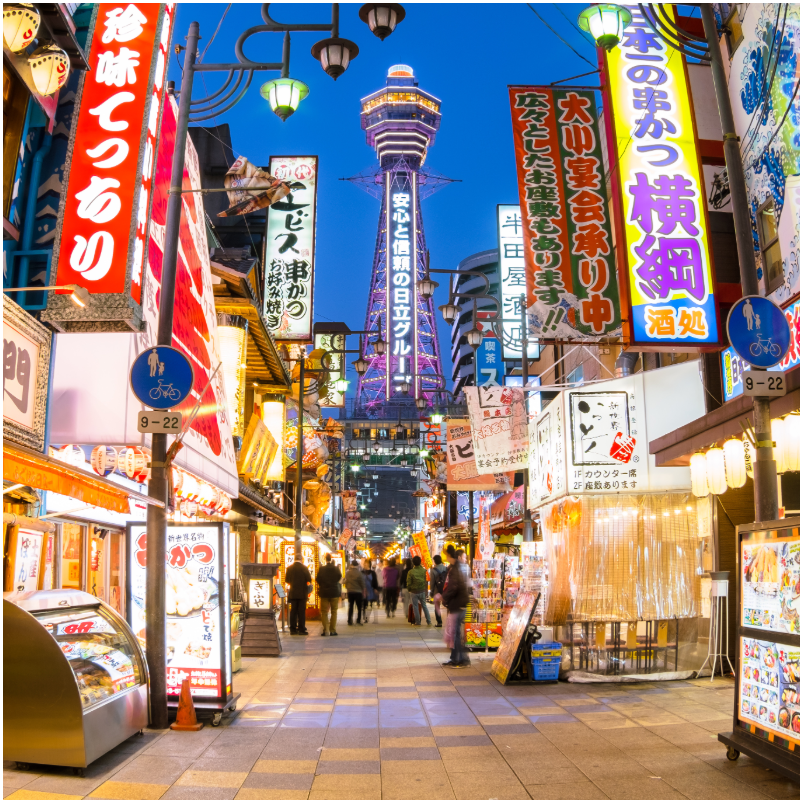
Osaka is consistently ranked among Asia’s most liveable cities and is renowned worldwide for its vibrant culture, food, and energy. A great choice for younger travellers, Osaka offers all the excitement and hustle of Japan’s urban life while being one of the country’s more accessible cities for English speakers.
Best Age Demographic
- 25-45 professionals
- International workers
- Young families
Known For
- Business hub
- Food scene
- Nightlife
- Friendly locals
Location
Kansai Region
Access
- 50 mins from Kyoto
- 30 mins from Kobe
- Kansai International Airport nearby
Schools & Work
- Strong multinational presence
- International schools
- Major finance and commerce center
Things to keep in mind
- Busy but cheaper than Tokyo
- Some English support available
- Competitive rental market
2. Fukuoka
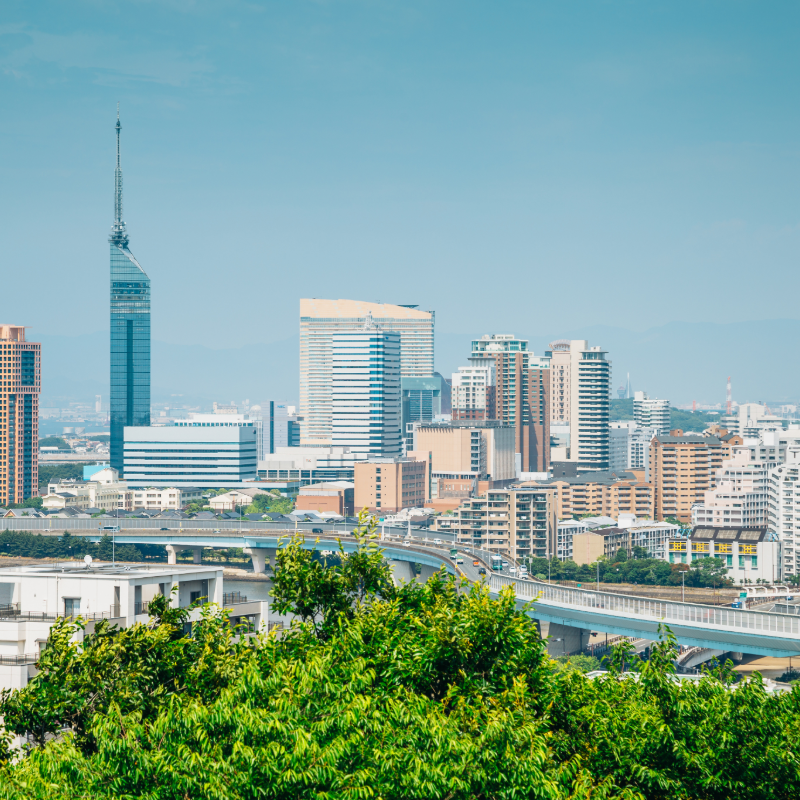
Japan’s startup hub for young entrepreneurs, Fukuoka combines a thriving tech scene, world-class food culture, and easy access to beaches and nature. It’s ideal for career-driven individuals who want exciting opportunities and plenty to do, while enjoying a more relaxed and affordable lifestyle than Japan’s larger cities.
Best Age Demographic
- 20-40
- Startups
- Digital nomads
Known For
- Tech startups
- Excellent food
- Beaches
- Youthful atmosphere
Location
Northern Kyushu
Access
Fukuoka Airport is one of the most convenient airports in Japan, with city-center access in minutes.
Schools & Work
- Growing startup scene
- International business growth
- Good university options
Things to keep in mind
- Hot summers
- Easier pace than Tokyo
- Lower housing costs
3. Kyoto
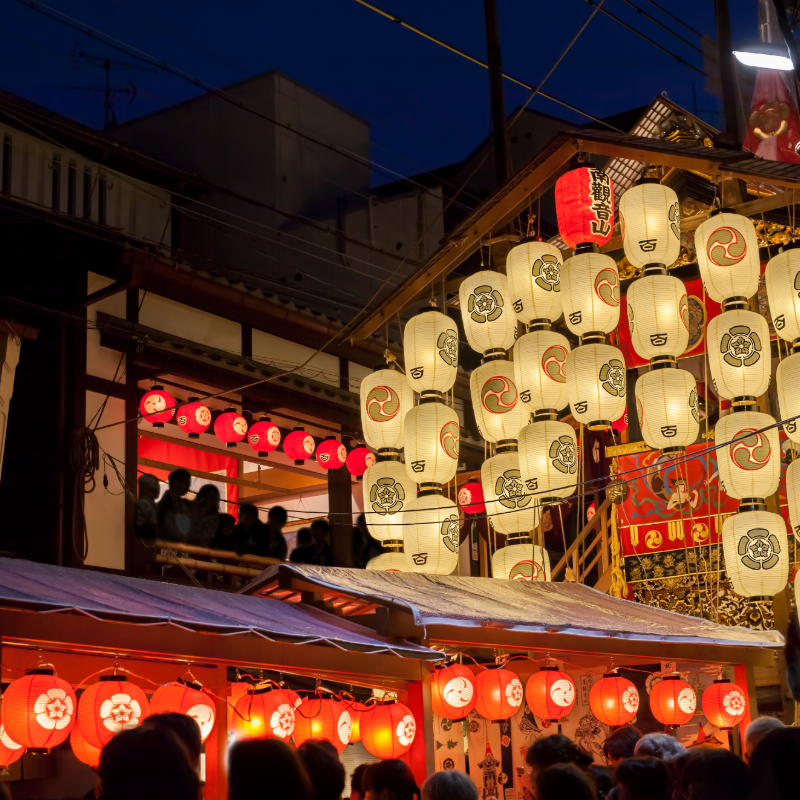
Perfect for almost anyone, Kyoto blends modern Japanese living with a rich cultural heritage, surrounded by iconic temples, shrines, and historic streets. It’s an excellent choice for those looking to experience authentic Japanese life while enjoying the conveniences of a city, all within a calm and picturesque setting.
Best Age Demographic
- Students
- Academics
- Culture-focused expats
Known For
- Temples
- Traditional Japan
- Universities
Location
Kansai Region
Access
- 15 minutes from Osaka by express train
- Access to Kansai International Airport and Itami Airport
Schools & Work
Kyoto has one of Japan’s largest university populations and is home to a significant international community.
Before Moving
- Tourist crowds
- More conservative culture
- Limited housing in central areas
4. Nagoya
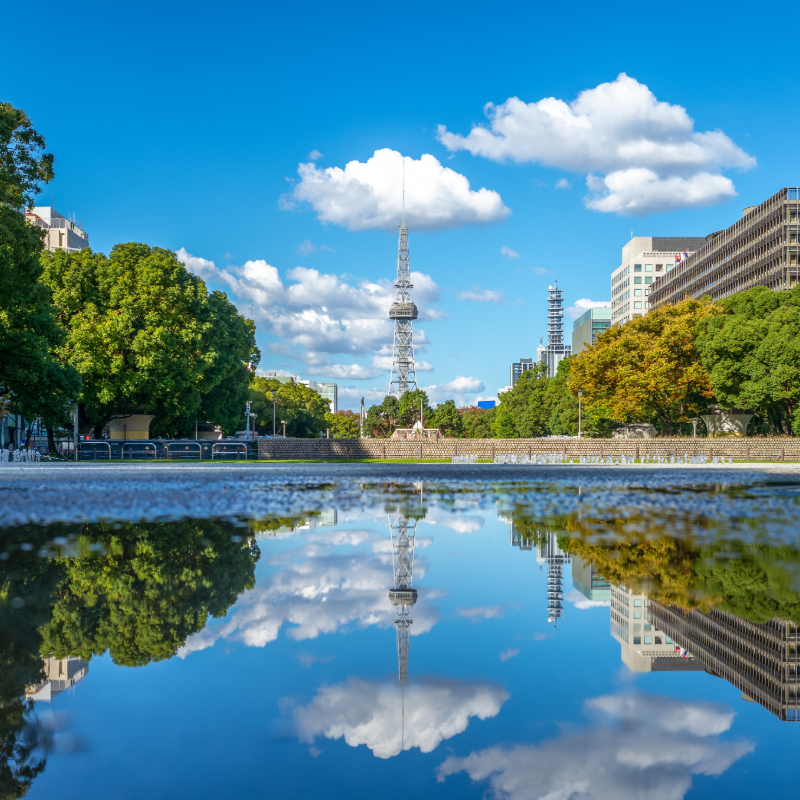
Ideal for digital nomads and families alike, Nagoya offers the perfect balance of convenience and comfort. Located in the heart of Japan, the city boasts excellent rail and airport connections, making it easy to travel across the country. Known for its low crime rates and family-friendly atmosphere, Nagoya is a great choice for those seeking a safe, well-connected base for their Japanese adventure.
Best Age Demographic
- Families
- Manufacturing professionals
- Engineers
Known For
- Toyota
- Industry
- Central Japan location
Location
Chubu Region
Access
- Between Tokyo and Osaka
- Chubu Centrair Airport
Schools & Work
- Engineering opportunities
- Automotive industry
- Strong employment market
Before Moving
- Less international than Tokyo
- Excellent public transportation
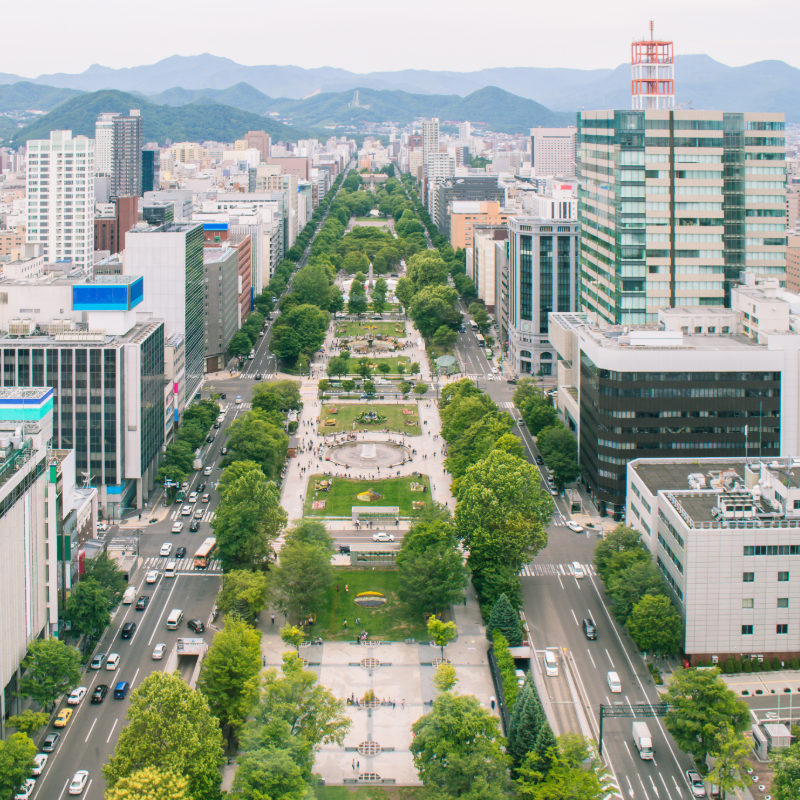
5. Sapporo
Sapporo is an obvious choice for ski enthusiasts, famous for its world-class powder snow and incredible slopes during the winter months. Beyond the ski season, the city is well known for its welcoming expat community and excellent transport links, making it easy to explore the rest of Japan.
Best Age Demographic
- Families
- Outdoor enthusiasts
- Remote workers
Known For
- Snow Festival
- Skiing
- Spacious living
Location
Hokkaido
Access
New Chitose Airport serves the Sapporo metro area and is roughly 35-40 minutes from central Sapporo by rail.
Schools & Work
- Tourism sector
- Technology opportunities
- Lower housing costs
Before Moving
- Long winters
- Snow management required
6. Yokohama
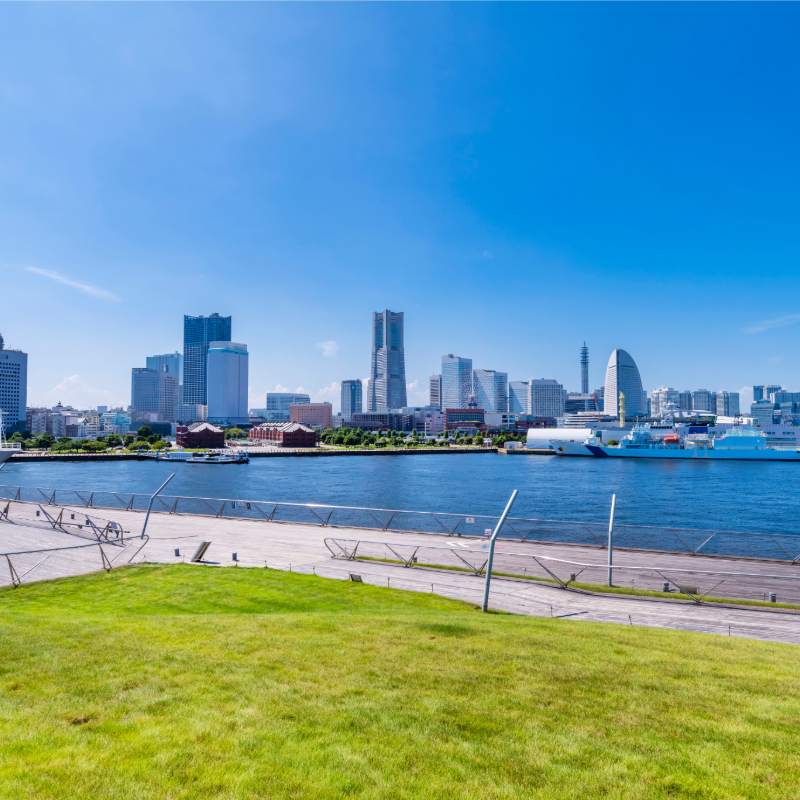
Yokohama should be on everyone’s list to visit or even live in. Japan’s second-largest city, meaning you’re not short of things to do here. It’s also next door to Tokyo and has Tokyo Bay; City life and beach days all in one place.
Best Age Demographic
- Families
- Tokyo commuters
Known For
- Waterfront living
- International schools
Location
Kanagawa Prefecture
Access
- 30 mins from Tokyo
- Haneda Airport nearby
Before Moving
- Expensive housing
- Very foreigner-friendly
7. Sendai
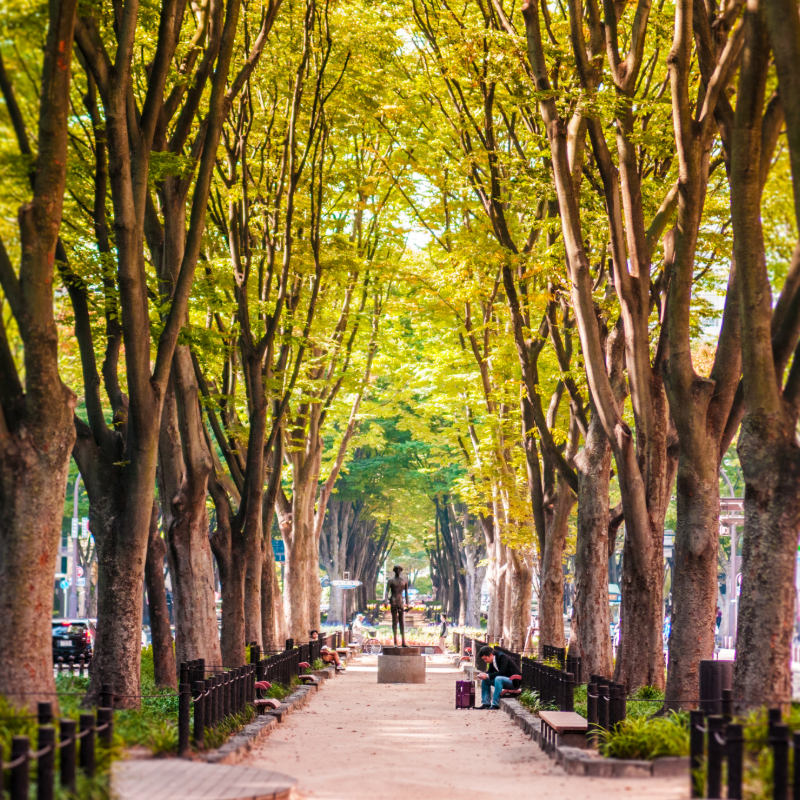
Perfect for those seeking affordability without sacrificing quality of life, Sendai offers a relaxed atmosphere, green spaces, and a strong sense of community. Known as the “City of Trees,” it’s ideal for families, first-time expats, and professionals looking for a balance between urban convenience and a slower-paced lifestyle.
Best Age Demographic
- Budget-conscious professionals
- Families
Known For
- Green spaces
- Education
- Lower costs
Location
Tohoku Region
Access
- Around 90 mins from Tokyo via Shinkansen
Before Moving
- Cooler climate
- Slower pace of life
Choosing where to live in Japan isn’t just about finding the biggest city or the cheapest rent. Each destination offers a completely different lifestyle, career landscape, and community. Some cities are ideal for growing families, while others are better suited to ambitious professionals, students, entrepreneurs, or remote workers. Use the table below as a quick reference guide to compare some of Japan’s most popular places to live and find the location that best matches your goals and lifestyle.
8. Quick Cheat Sheet – Overview
City | Known For | Best For | Typical Age Groups | Work & Career Opportunities | Family Friendly? |
Osaka | Food scene, nightlife, friendly culture, major business hub | Young professionals, expats, couples, career-focused individuals | 20-45 | Finance, sales, international business, tourism, corporate roles | ✅ Good |
Kyoto | Traditional culture, temples, universities, history | Students, academics, culture lovers, professionals seeking a slower pace | 18-40 | Education, research, tourism, technology, creative industries | ✅ Good |
Nagoya | Manufacturing, Toyota, central location, practical lifestyle | Families, engineers, corporate workers | 25-55 | Automotive, engineering, manufacturing, logistics | ⭐ Excellent |
Sapporo | Snow sports, outdoor lifestyle, spacious housing, nature | Families, remote workers, outdoor enthusiasts | 25-60 | Tourism, tech, hospitality, remote work | ⭐ Excellent |
Fukuoka | Startup ecosystem, beaches, food, relaxed lifestyle | Entrepreneurs, remote workers, young professionals | 20-40 | Tech startups, digital industries, international trade | ✅ Very Good |
Yokohama | Waterfront living, international schools, easy Tokyo access | Families, corporate expats, Tokyo commuters | 30-55 | Corporate headquarters, international business, technology | ⭐ Excellent |
Sendai | Affordable living, green spaces, quality of life, education | Budget-conscious professionals, families, first-time movers to Japan | 25-55 | Education, healthcare, regional business, technology | ✅ Very Good |
Cost of Living Comparison
One of the biggest factors when choosing where to live in Japan is cost. While cities like Tokyo and Yokohama offer excellent career opportunities and international amenities, they also come with higher housing and day-to-day expenses. On the other hand, places like Fukuoka, Sendai, and Sapporo can provide a similar quality of life at a much lower cost.
The table below compares some of Japan’s most popular cities, giving you a quick overview of relative living costs, including housing, food, and transportation. Use it as a starting point to identify which destinations best fit your budget and lifestyle goals.

City | Rent | Food | Transport | Overall Cost |
Yokohama | High | High | Medium | $$ |
Osaka | High | Medium | Medium | $$ |
Kyoto | High | Medium | Medium | $$ |
Kobe | High | Medium | Medium | $$ |
Nagoya | Medium | Medium | Medium | $ |
Fukuoka | Medium | Low | Low | $ |
Sapporo | Medium | Low | Low | $ |
Sendai | Low | Low | Low | $ |
Best Places to Live in Japan: Town Edition
Not looking for a city so much, but a town…
Best Liveable Towns in Japan
Town | Best For |
Kamakura Kanagawa Prefecture | Beach lifestyle |
Karuizawa Nagano Prefecture | Remote workers |
Fujisawa Kanagawa Prefecture | Families |
Nara Nara Prefecture | Culture lovers |
Beppu Ōita Prefecture | Retirement |
Hakodate Hokkaido Prefecture | Budget living |
Matsumoto Nagano Prefecture | Nature lovers |
Kanazawa Ishikawa Prefecture | History & quality of life |
Insurance, Rentals & Moving
Moving to Japan involves more than just choosing where to live. Before signing a lease or unpacking your belongings, it’s important to understand how renting, health insurance, and everyday administration work. The process can be very different from what you may be used to in your home country, and knowing what to expect can save time, money, and stress during your move.
As a new resident, you’ll likely need to arrange accommodation, register your address, enroll in health insurance, set up utilities, and ensure you have the right documentation in place. Some rental properties may also require a guarantor, security deposit, key money, and other upfront fees, making it essential to budget beyond just your monthly rent.
What You’ll Need to Arrange
- Renting a property and understanding upfront costs
- Residence registration at your local city office
- Health insurance and healthcare access
- Japanese phone number or eSIM for banking, rentals, and services
- Utilities such as electricity, gas, water, and internet
- Moving services and shipping belongings to Japan
- Bank account setup for salary payments and bills
This preparation may seem overwhelming at first, but once the essentials are in place, Japan is generally a straightforward and comfortable country to live in long term.
Which Visa Should You Get?
Unlike some countries, Japan’s long-term residence options are tied to a specific purpose, whether that’s work, study, business, or joining family members already living in the country.
The good news is that there are visa pathways available for most types of movers, from students and skilled professionals to entrepreneurs and spouses of Japanese nationals. Choosing the correct visa from the outset is one of the most important steps in your relocation journey, as it will determine your ability to work, study, access services, and remain in Japan long-term.
What You’ll Need to Consider
- Why you’re moving (work, study, family, business)
- Whether you have a job offer from a Japanese employer
- Your qualifications and professional experience
- Whether you’re starting a business in Japan
- If you’re moving with a spouse or dependents
- Certificate of Eligibility (COE) requirements
- Long-term residency and future permanent residence options
Want More Moving-to-Japan Advice?
If you’re planning a move to Japan and want real stories, expert advice, and practical relocation tips, be sure to check out our podcast, Moving to Japan. It shares first-hand insights dedicated to life in Japan. From visas and housing to jobs, culture shock, healthcare, and settling into your new community, each episode explores the realities of moving abroad and building a life in Japan.
You can listen to Moving to Japan on Apple Podcasts. Whether you’re still researching or already packing your bags, it’s a great resource to help you prepare for life in Japan.

Useful Sources for Your Move to Japan
For the latest information on visas, immigration, residency registration, healthcare, and life in Japan, we recommend using official government websites.
Ministry of Foreign Affairs (MOFA)
Visa information, embassy services, and entry requirements.- Immigration Services Agency of Japan
Residence status, visa applications, and permanent residency guidance.
Many Japanese cities provide dedicated websites for foreign residents, covering everything from housing and schools to local events and support services.
Individual City Halls & Municipal Websites
Once you’ve chosen a destination, your local city government website will become one of your most useful resources for residency registration, taxes, healthcare, childcare, and local services.
Where will you live in Japan?
Before making the move, take time to consider your budget, visa options, career goals, and day-to-day lifestyle preferences. Research neighbourhoods, connect with local communities, and make use of resources designed to help foreigners settle into life in Japan.
No matter where you choose, one thing is certain: living in Japan offers the opportunity to experience a fascinating culture, excellent infrastructure, and a quality of life that continues to attract people from around the world. With a little planning and the right location, your Japanese adventure can be much more than a visit, it can feel like home.