Tokyo is a city that transforms throughout the year. From the world-famous cherry blossoms of spring to vibrant summer festivals, fiery autumn foliage, and crisp winter illuminations, every season offers something different. The best time to visit Tokyo ultimately depends on what you want from your trip, whether that’s sightseeing in comfortable weather, experiencing Japanese culture, finding cheaper flights, or avoiding the crowds.
In this guide, we’ll break down Tokyo’s weather month by month, highlight key seasonal events, explore the city’s districts, and share practical tips for staying connected and productive while visiting Japan’s capital.
This article includes:
- Best Time to Visit Tokyo Based on Your Travel Goals
- Best time to visit Tokyo by Season
- Best time to visit Tokyo by Weather
- Best time to visit Tokyo: Spring
- Best time to visit Tokyo: Summer
- Best time to visit Tokyo: Autumn
- Best time to visit Tokyo: Winter
- Best time to visit Tokyo: District Map, where should you stay?
- How to stay connected to have the best time in Tokyo!
- FAQ
Best Time to Visit Tokyo Based on Your Travel Goals
Best Time to Visit Tokyo by Season
Each season in Japan showcases its own unique character. Summers are hot and vibrant, autumn paints the landscape in fiery shades of red and gold, winters bring crisp air and cosy scenery, while spring arrives in a sea of pink cherry blossoms that attract millions of visitors each year. However, when it comes to Tokyo’s atmosphere specifically, you might be wondering whether the hot, humid summer months and limited shade are really for you.
Here’s a quick look at what each season in Tokyo has to offer.
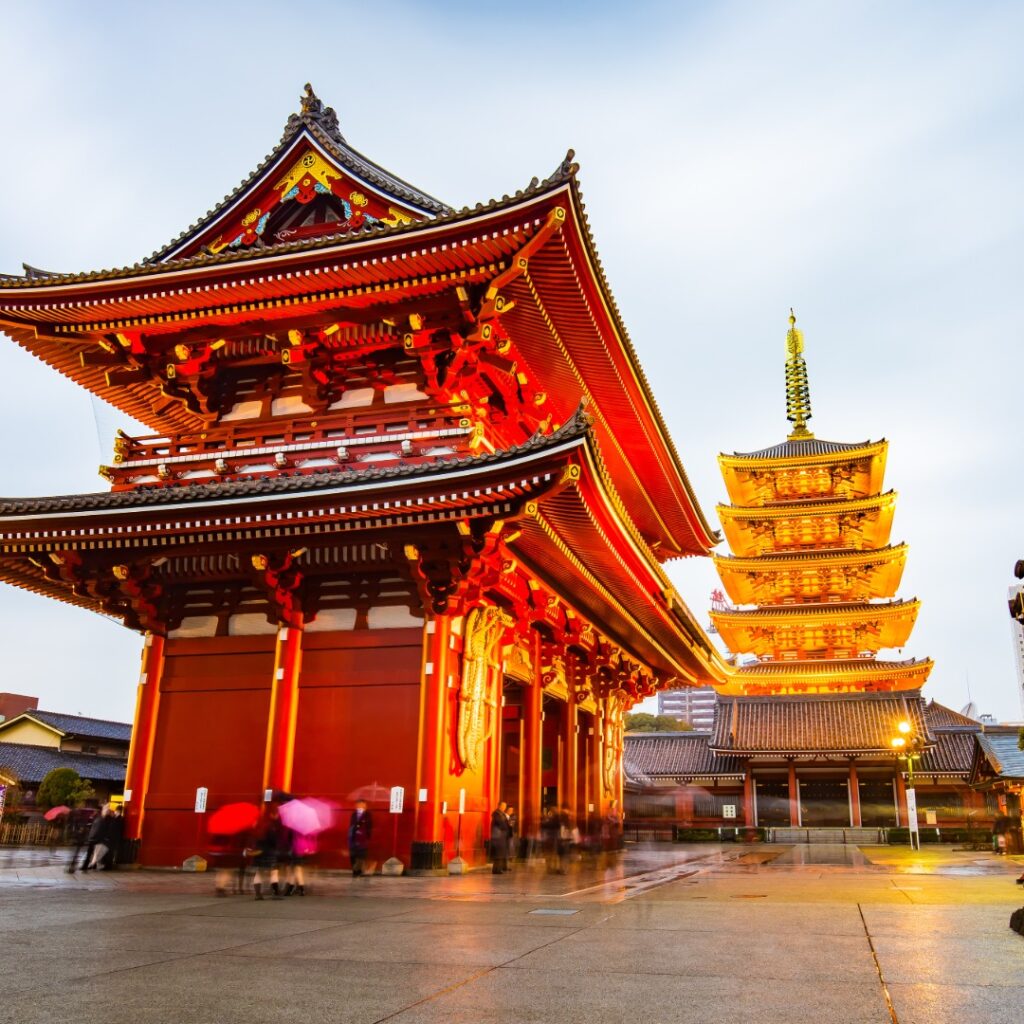
🌸 Spring (March-May)
- Cherry blossom season
- Mild temperatures
- Peak tourist season
- Best for sightseeing and parks
☀️ Summer (June-August)
- Festivals and fireworks
- Humid weather
- Vibrant nightlife
- School holiday crowds
🍁 Autumn (September-November)
- Comfortable temperatures
- Stunning autumn foliage
- Lower humidity
- Excellent photography opportunities
❄️ Winter (December-February)
- Crisp sunny days
- Christmas illuminations
- Lower accommodation prices
- Less crowded attractions
Best time to visit Tokyo by Weather
There’s no single best time to visit Tokyo. The city experiences all four seasons, so the ideal time to visit really comes down to personal preference. Do you picture yourself wandering Tokyo’s streets on crisp evenings before warming up with a steaming bowl of ramen, or spending long summer days exploring Tokyo Bay under clear blue skies? Whatever your travel style, Tokyo has something to offer year-round.
Jan ██████████ 10°C
Feb ██████████ 10°C
Mar ██████████████ 14°C
Apr ███████████████████ 19°C
May ███████████████████████ 23°C
Jun ██████████████████████████ 26°C
Jul ██████████████████████████████ 30°C
Aug ████████████████████████████████ 32°C
Sep ████████████████████████████ 28°C
Oct ██████████████████████ 22°C
Nov █████████████████ 17°C
Dec ████████████ 12°C
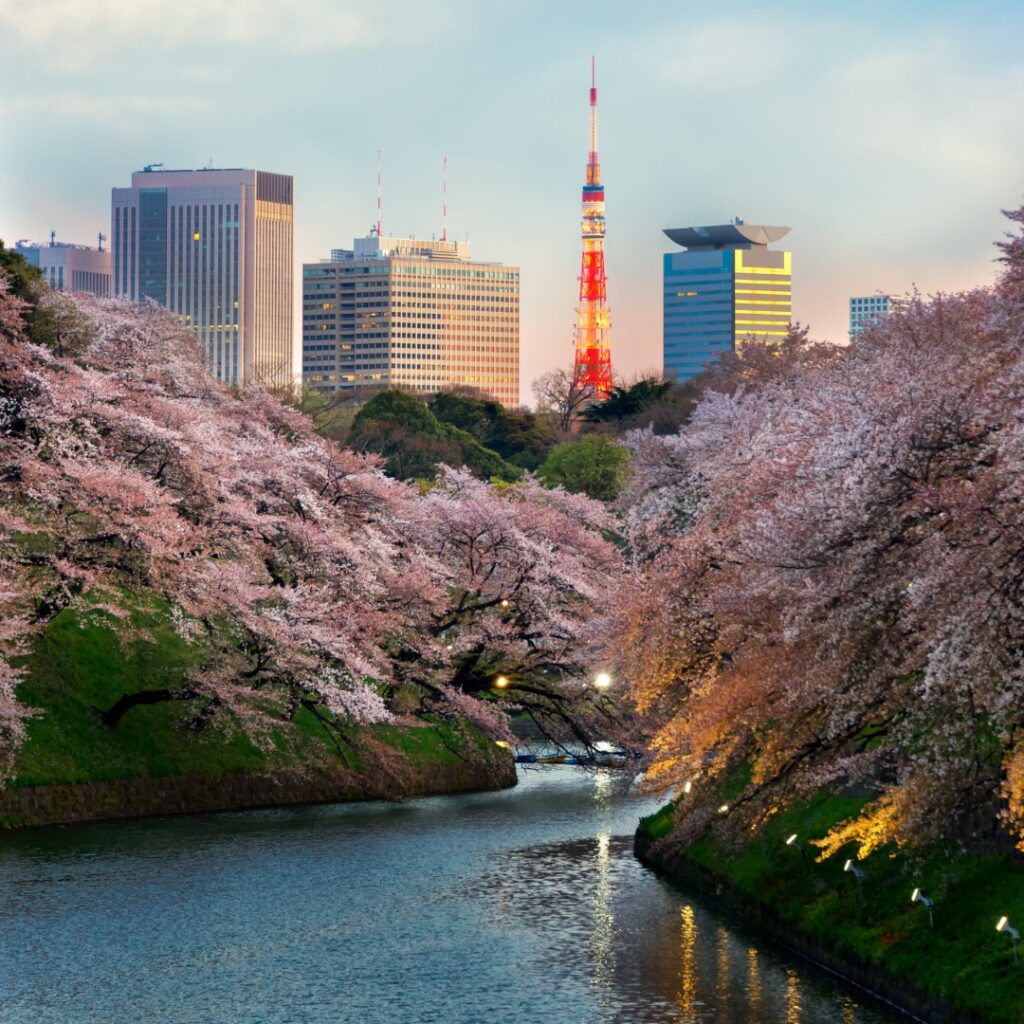
Best time to visit Tokyo: Spring (March-May)
Spring Events
- Cherry Blossom Season (Late March-Early April)
- Hanami picnics across Tokyo
- Golden Week (Late April-Early May)
- Spring flower festivals
Important: Book Early
Spring is Tokyo’s busiest travel season. Flights, hotels, tours, and restaurants can sell out months in advance.
If you’re planning to visit during Sakura season, it’s worth securing:
- Accommodation early
- Attraction tickets
- Restaurant bookings
- Mobile connectivity before arrival
Read more in Mobal’s guide: The Japanese Phone Number and Why You Might Need One
Why Visit in Spring?
✅ Beautiful cherry blossoms
✅ Comfortable temperatures
✅ Excellent sightseeing conditions
Downsides
❌ Highest accommodation prices
❌ Larger crowds
❌ Popular attractions can sell out
Summer in Tokyo (June-August)
Summer is festival season in Japan, also known as Matsuri.
While temperatures and humidity rise significantly, Tokyo becomes incredibly lively. Streets are filled with seasonal events, beer gardens open across the city, and fireworks displays draw huge crowds.
For travellers looking for the full cultural experience, summer offers some of Japan’s most iconic traditions. Be sure to research this season thoroughly to avoid missing out on the many festivals and events taking place across the city.
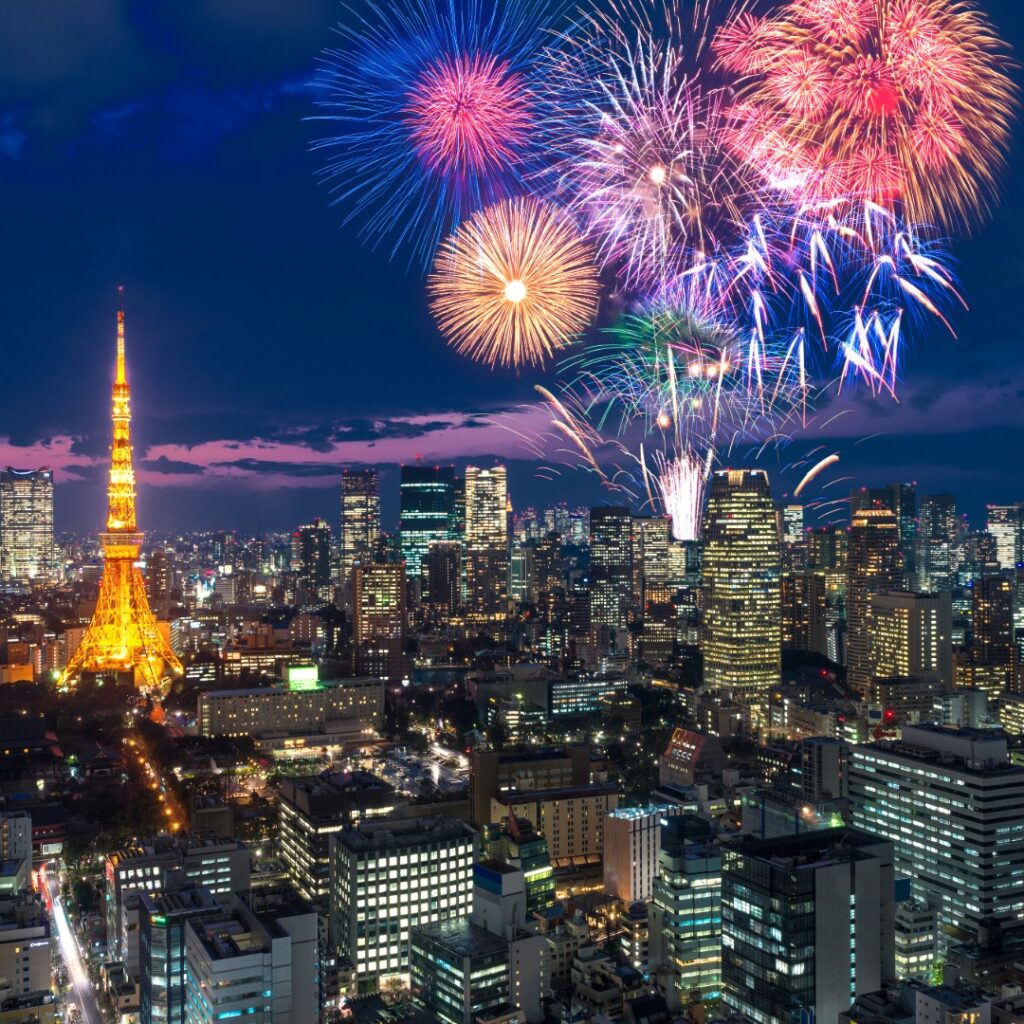
Summer Events
July
- Sumida River Fireworks Festival
- Tanabata celebrations
August
- Obon season
- Koenji Awa Odori Festival
- Summer Matsuri festivals
For a more in-depth read about summer travel across Japan: A Seasonal Guide to Summer in Japan
Weather
Expect:
- Temperatures above 30°C
- High humidity
- Occasional typhoons in late summer
Why Visit in Summer?
✅ Incredible festivals
✅ Energetic atmosphere
✅ Great nightlife
Downsides
❌ Hot and humid weather
❌ Outdoor sightseeing can be challenging
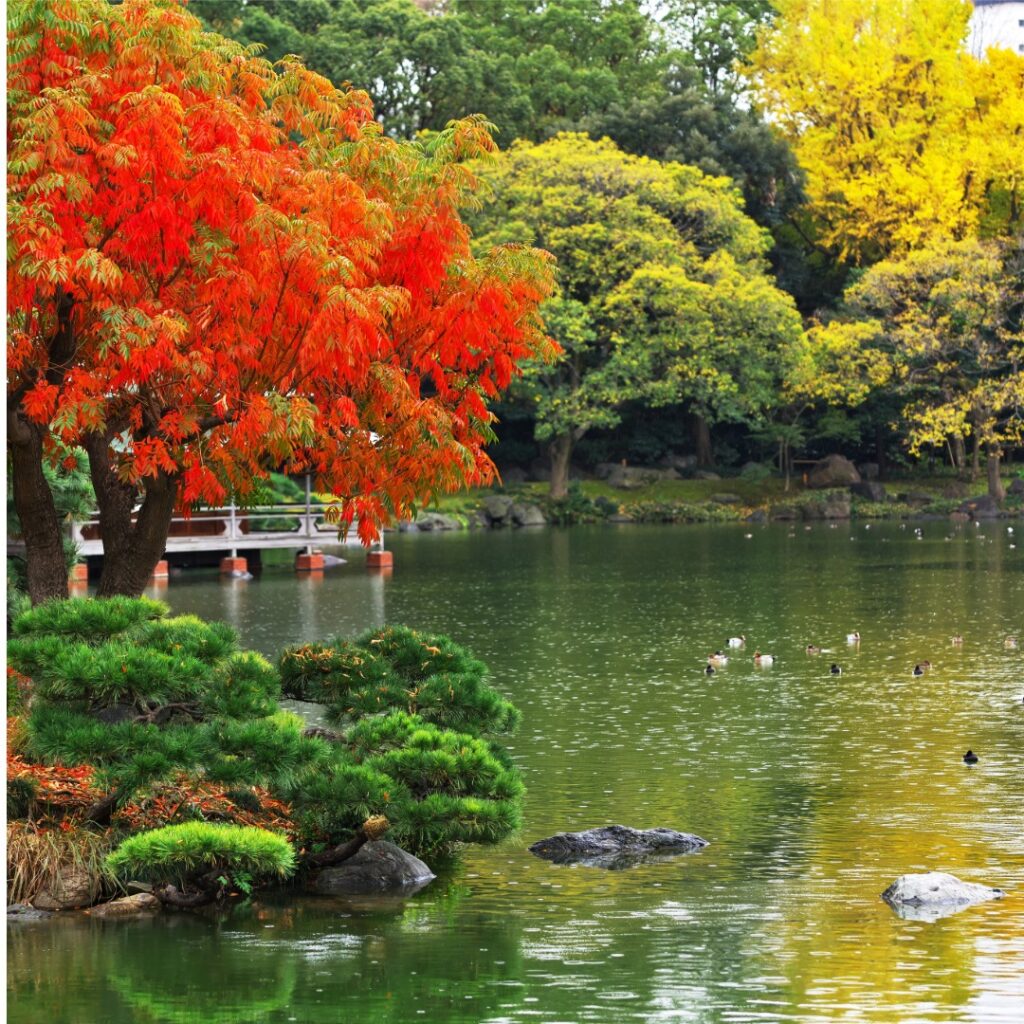
Autumn in Tokyo (September-November)
Many experienced Japan travellers consider autumn the best time of year to visit Tokyo. The weather is very similar to spring but with fewer crowds and lower humidity. From late October through early December, Tokyo’s parks and gardens transform into vibrant shades of red, orange, and gold.
Best Autumn Viewing Spots
- Rikugien Garden
- Koishikawa Korakuen
- Meiji Jingu Gaien
- Mount Takao
Autumn Events
- Tokyo International Film Festival
- Autumn foliage festivals
- Seasonal food markets
Why Visit in Autumn?
✅ Comfortable weather
✅ Stunning autumn colours
✅ Fewer crowds than cherry blossom season
Downsides
❌ Popular foliage locations can still be busy
Winter in Tokyo (December-February)
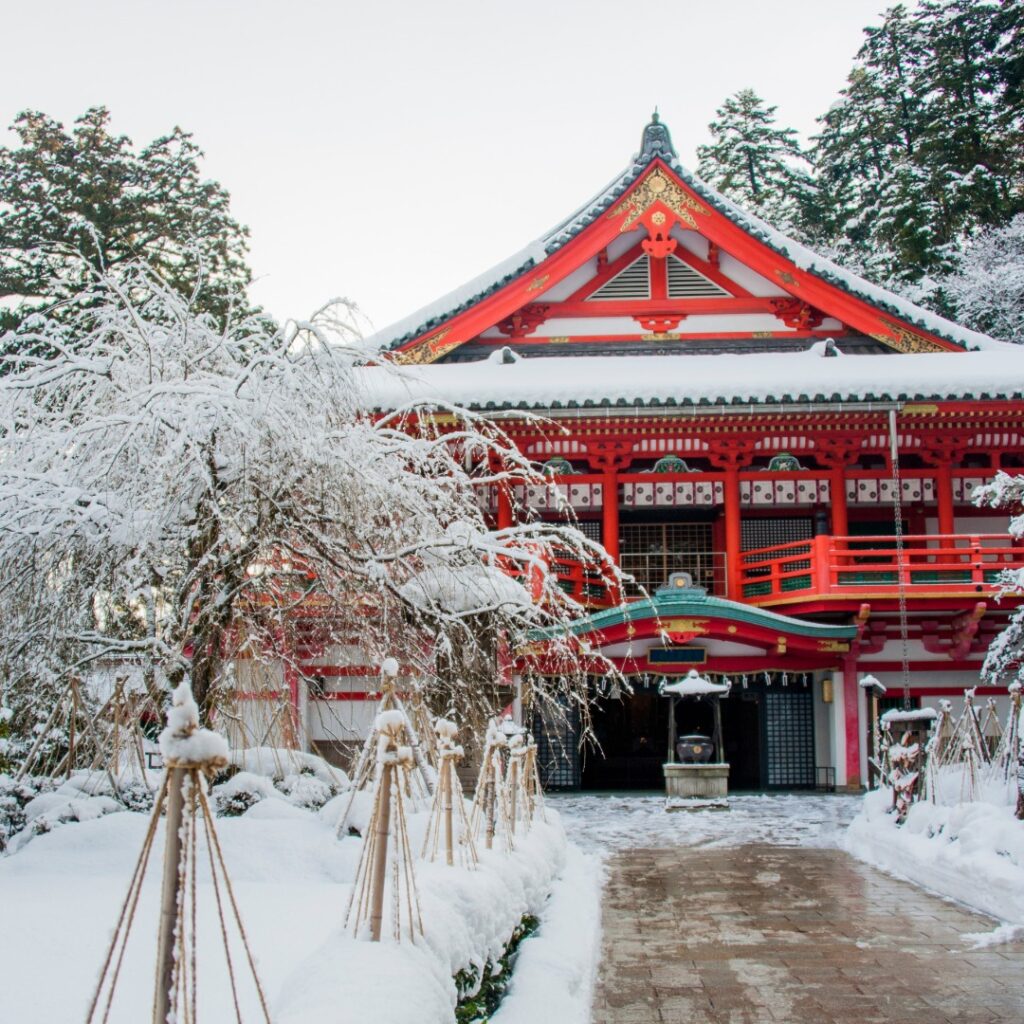
Winter is one of Tokyo’s most underrated seasons.
Unlike many northern destinations, Tokyo receives relatively little snowfall, making it easy to explore. Clear skies often provide some of the year’s best views of Mount Fuji. As Japan doesn’t celebrate Christmas as extensively as many Western countries, November and December can be a great time to visit Tokyo for travellers seeking a calmer, less crowded experience. The same applies to January, before the crowds arrive for the Sakura season, making it an ideal time to explore the city at a more relaxed pace.
Winter Events
December
- Tokyo Christmas Markets
- Tokyo Midtown Illuminations
- Roppongi Hills Winter Lights
January
- New Year’s Shrine Visits (Hatsumode)
- Traditional celebrations
February
- Early plum blossom festivals
- Seasonal cultural events
Why Visit in Winter?
✅ Lower hotel prices
✅ Smaller crowds
✅ Beautiful illuminations
Downsides
❌ Cooler temperatures
❌ Shorter daylight hours
Best time to visit Tokyo: District Map, where should you stay?
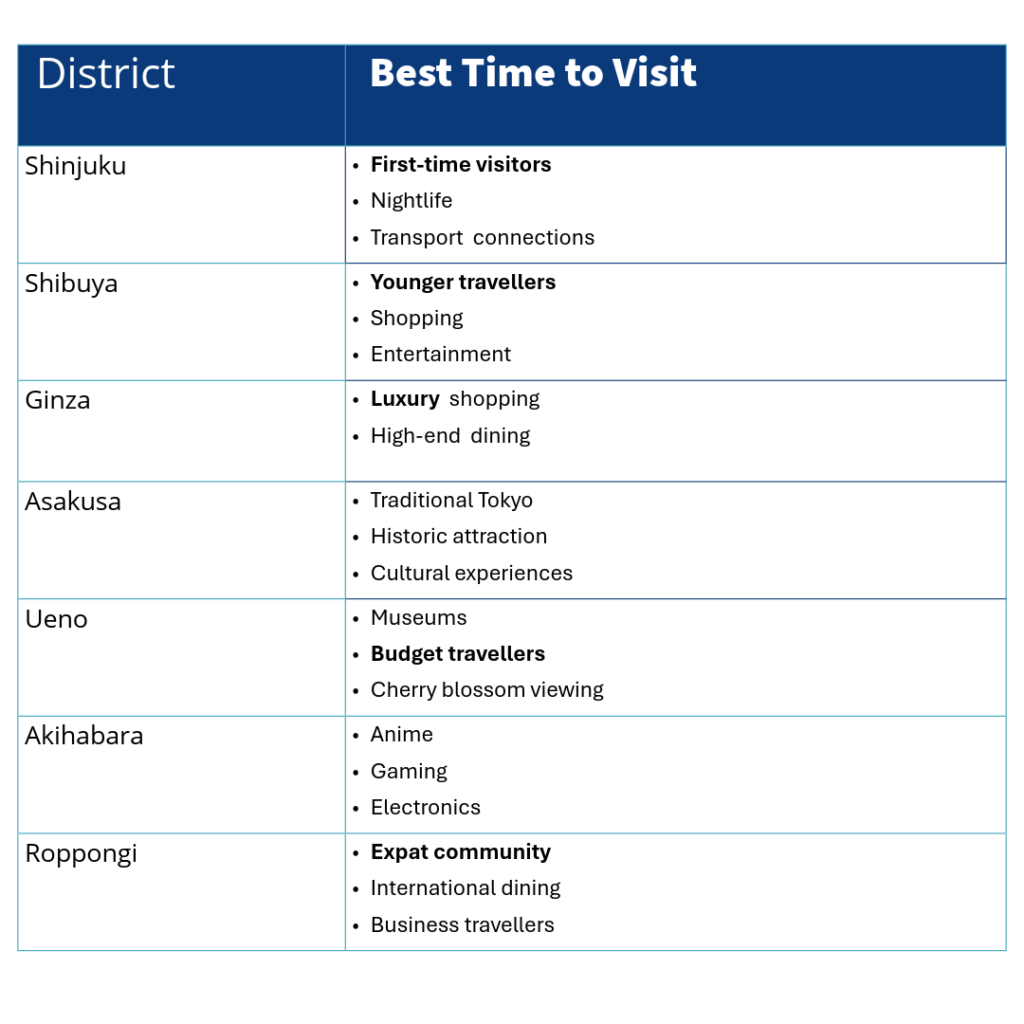
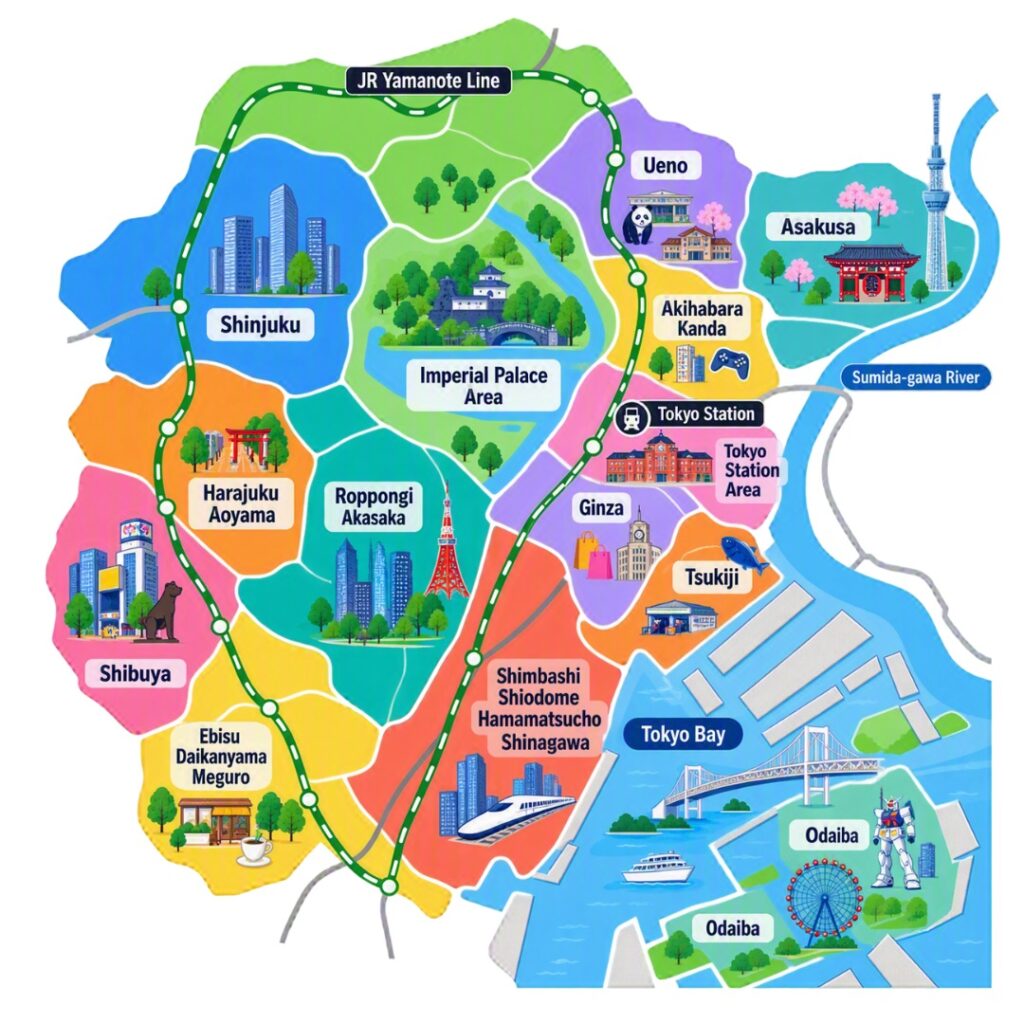
Tokyo may only be one City in Japan, but it’s enormous and choosing the best place to stay for your travel needs can be a deal-breaker between having a good time or a chaotic time.
Each district in Tokyo has its own unique advantages and drawbacks. If you’re planning to visit many of the city’s top attractions in a week, staying in or around Shinjuku is a great choice due to its central location and excellent transport links. However, if you’re looking to save money on accommodation while still benefiting from convenient access via the rail network, consider staying in Ota City near Tokyo Bay.
Staying Connected Across Tokyo
Whether you’re navigating subway stations in Shinjuku, finding restaurants in Ginza, or uploading content from Shibuya, reliable internet access is essential.
You may spot eSIM vending machines at Japanese airports as soon as you arrive, but they’re not always the most convenient or cost-effective option. These machines often offer a limited selection of plans at higher prices than those available online before your trip. Purchasing your eSIM in advance allows you to compare providers, choose a plan that suits your needs, and have everything set up before you travel. This means you’ll be connected the moment you land, without having to queue at the airport or spend time troubleshooting setup issues after a long flight.
Tokyo’s public WiFi has improved significantly in recent years, but coverage can still be unreliable, particularly when travelling between train stations, using underground networks, or navigating crowded tourist areas. What’s more, relying on public WiFi can expose you to security risks such as online scams and data theft. To stay connected and protected throughout your trip, it’s best to arrange your mobile data before heading to Japan.
Most visitors choose either:
Best for:
- Solo travellers
- Instant activation
- One-device usage
Best for:
- Families
- Groups
- Multiple devices
- Heavy data users
If you’re unsure which option suits your trip, read: eSIM vs Pocket WiFi for Japan: Which is Best for Your Trip?
Frequently Asked Questions
Best time of year to visit Tokyo?
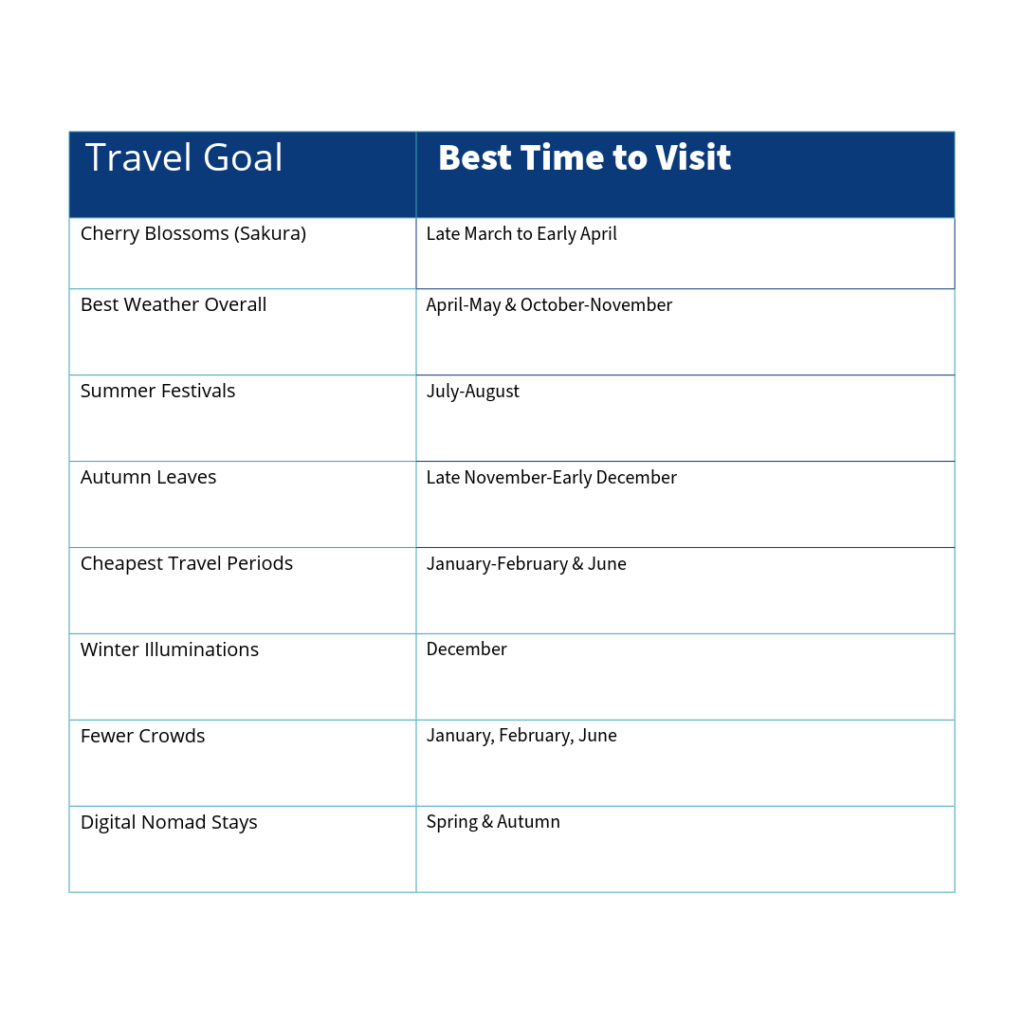
For most travellers, April-May and October-November offer the best combination of pleasant weather, seasonal scenery, and sightseeing conditions.
What are the cheapest months to visit Tokyo?
January, February, and June typically offer lower hotel prices and fewer crowds compared to spring and autumn.
How many days do you need in Tokyo?
A minimum of 4-5 days allows you to experience Tokyo’s major districts. One week is ideal if you want to include day trips and explore at a slower pace.
Is Tokyo worth visiting in summer?
Absolutely. Summer offers Japan’s most exciting festivals, fireworks events, and cultural celebrations, although visitors should be prepared for the heat and humidity.
Is $2,000 Enough for 2 Weeks in Japan?
Yes, $2,000 can be enough for two weeks in Japan, but it depends on your travel style.
For budget-conscious travellers, $2,000 (excluding international flights) can comfortably cover:
- Budget hotels, hostels, or business hotels
- Public transport
- Affordable restaurants, ramen shops, and convenience store meals
- Basic sightseeing and attractions
A typical daily budget might look like:
- Accommodation: $40-80
- Food: $20-40
- Transport: $5-15
- Attractions: $5-20
That works out to roughly $70-155 per day, or $980-2,170 for 14 days.